°C
°C
 2
Min
2
Min
Australia's inflation rate has jumped higher than expected, increasing pressure on the central bank to lift interest rates when it meets next week. New figures from the Australian Bureau of Statistics show the Consumer Price Index (CPI) rose 3.8 per cent in the 12 months to December 2025, up from 3.4 per cent in the year to November.
Mortgage Holders on Edge After Inflation Surges to 3.8%
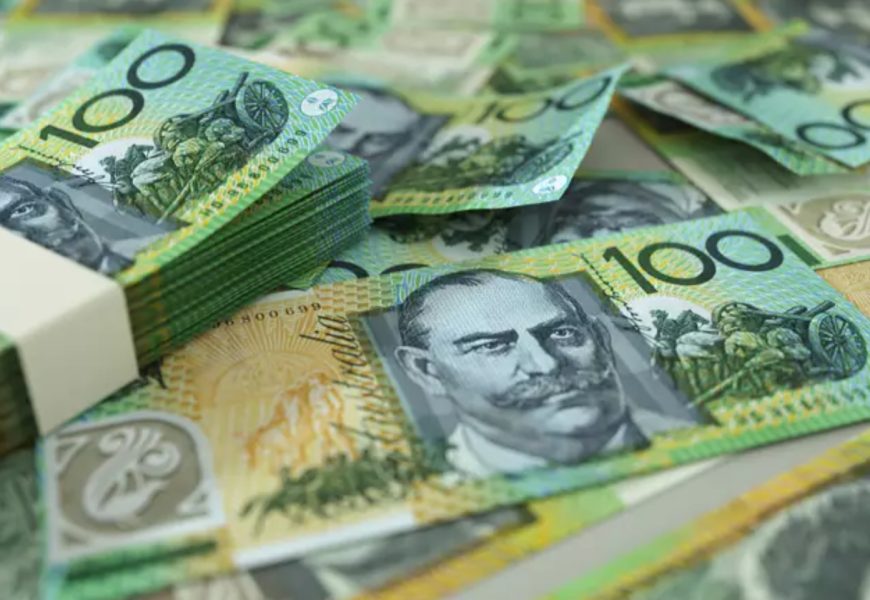
Australia's inflation rate has jumped higher than expected, increasing pressure on the central bank to lift interest rates when it meets next week.
New figures from the Australian Bureau of Statistics show the Consumer Price Index (CPI) rose 3.8 per cent in the 12 months to December 2025, up from 3.4 per cent in the year to November. Prices also climbed 1 per cent over the month, signalling renewed momentum in cost-of-living pressures.
The stronger-than-forecast result has fuelled expectations of an imminent rate hike, with financial markets lifting the probability of an increase in February from around 60 per cent to 70 per cent.
The Reserve Bank of Australia, which targets inflation between 2 and 3 per cent, will hand down its first interest-rate decision of 2026 next Tuesday. The latest data places inflation well above the top of that target band.
A key measure of underlying inflation - the trimmed mean - rose 0.9 per cent over the December quarter, taking the annual rate to 3.3 per cent, up from 3.2 per cent previously. Economists had suggested a quarterly result of 0.8 per cent or lower may have been enough to spare borrowers a rate rise.
Housing remained the largest contributor to annual inflation, climbing 5.5 per cent, followed by food and non-alcoholic beverages (3.4 per cent) and recreation and culture (4.4 per cent).
Electricity prices surged 21.5 per cent over the year, driven largely by the expiration of state government rebates in Queensland and Western Australia. The ABS said that excluding federal and state rebates, electricity prices rose 4.6 per cent, unchanged from November.
Meanwhile, the Australian dollar climbed to its highest level since February 2023, reflecting shifting interest-rate expectations and global market moves. At the same time, gold prices surged above US$5,100 an ounce for the first time, highlighting continued demand for safe-haven assets.
With inflation accelerating late in 2025 and underlying price pressures proving stubborn, mortgage holders and borrowers are bracing for higher repayments as the Reserve Bank weighs its next move.
More Top Stories