°C
°C
 3
Min
3
Min
Yemen is threatening to fracture even further, exposing a growing rift between Middle East powers Saudi Arabia and the United Arab Emirates. The latest friction is among members of the Saudi-led coalition based in Yemen’s south that for years has been fighting Iranian-backed Houthi rebels based in the north.
What to know about the latest tensions in Yemen and parties involved

Yemen is threatening to fracture even further, exposing a growing rift between Middle East powers Saudi Arabia and the United Arab Emirates. The latest friction is among members of the Saudi-led coalition based in Yemen's south that for years has been fighting Iranian-backed Houthi rebels based in the north.
Here's a look at the forces involved as Saudi Arabia pursues dialogue among all the players in the south of Yemen, the Arab world's poorest nation:
A collection of forces led by neighboring Saudi Arabia have assembled to counter the Houthis over the past decade in Yemen's civil war. Their professed goal has long been to restore Yemen's internationally recognized government.
But recent developments have been a sharp reminder that the coalition's members are a loose grouping with very different motivations. The latest friction arose in December when one member of the coalition moved to take parts of southern Yemen as part of its separatist aspirations, breaking an uneasy ceasefire among coalition members.
The separatist Southern Transition Council is the most powerful group in southern Yemen and one of a number of UAE-supported groups that control most of that region, including crucial port cities and islands. The STC wants South Yemen to be an independent nation.
Last month, the STC seized an oil-rich area as it advanced in two governorates, Hadramout and Mahra, that were once held by Saudi-backed forces. Tensions soared when a shipment of arms from the UAE for the STC arrived in the Yemeni port city of Mukalla. Saudi Arabia swiftly targeted Mukalla with airstrikes and created regional alarm around Saudi-UAE relations. Those airstrikes, and pressure from a Saudi-backed armed group, pushed the STC back.
Meanwhile, the anti-Houthi coalition told the UAE to withdraw its forces from Yemen, and over the weekend it said it had.
The Saudi-backed Hadramout Tribes Confederacy seized the PetroMasila oil facility in November as it sought a bigger share of oil revenues and the improvement of services for Hadramout residents. The STC apparently used the seizure as a pretext for advancing in Hadramout and taking the oil facilities for itself.
The Saudi-backed National Shield Forces helped to push back the STC's latest advances in Yemen and regained control of areas seized by the southern separatists.
Yemen's internationally recognized government is the Presidential Leadership Council, which is based in the south. The Yemeni military reports to it. PLC members fled to the Saudi capital last month as the STC took over the Presidential Palace in Aden, the main city in southern Yemen.
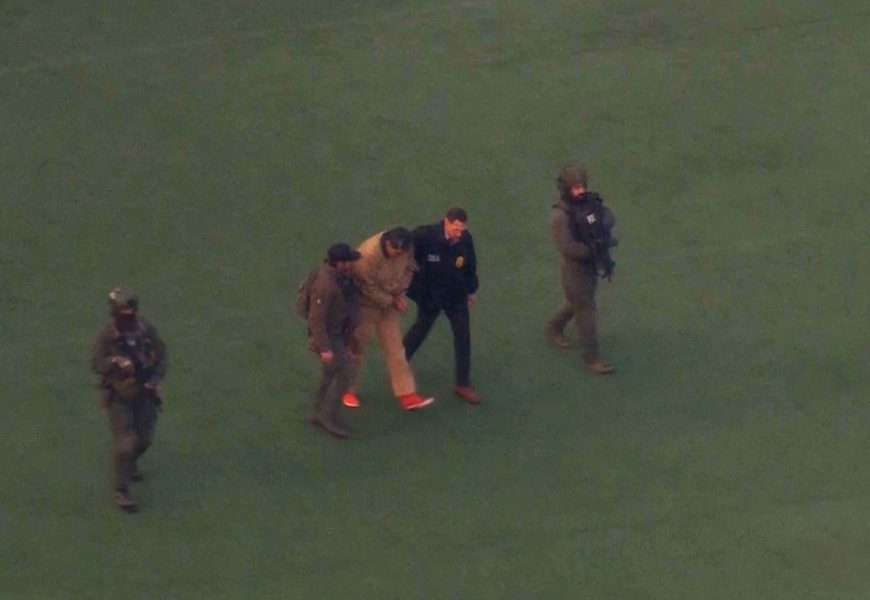
On Wednesday, the council said it had expelled the STC leader and charged him with treason after he reportedly declined to travel to Saudi Arabia for talks. Meanwhile, the STC said in a statement it lost contact with its delegation to Saudi Arabia after it landed. It expressed "deep concern."
More Top Stories