°C
°C
 4
Min
4
Min
NEW YORK (AP) - U.S. stocks wavered as Wall Street had a wobbly start to the new year. The S&P 500 rose 0.2% Friday, coming off a gain of more than 16% in 2025. The Dow rose 319 points, or 0.7%, but the Nasdaq was roughly flat, weighed down by losses for Microsoft and Tesla. Foreign markets fared better and benchmarks in Britain and South Korea hit records.
Early gains mostly fade as Wall Street wobbles into 2026
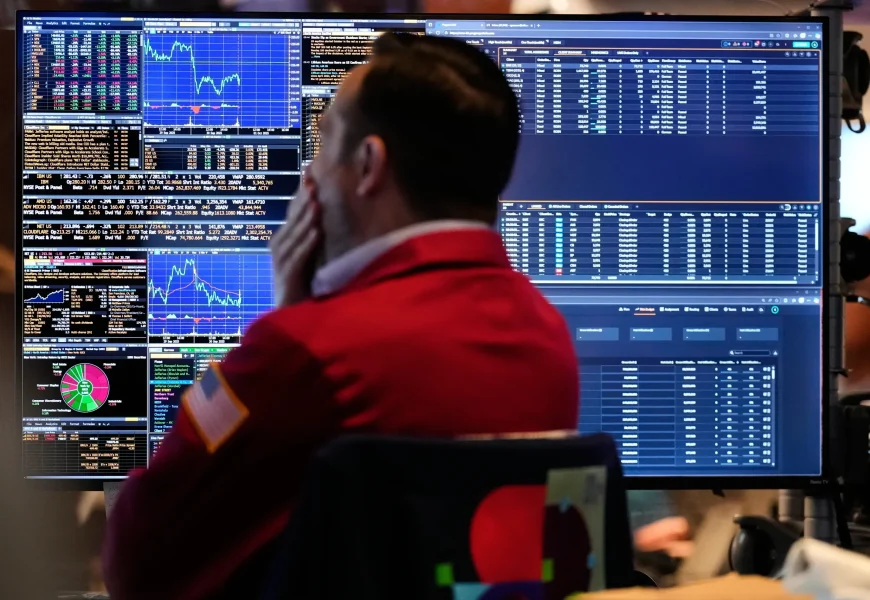
NEW YORK (AP) - U.S. stocks wavered as Wall Street had a wobbly start to the new year. The S&P 500 rose 0.2% Friday, coming off a gain of more than 16% in 2025. The Dow rose 319 points, or 0.7%, but the Nasdaq was roughly flat, weighed down by losses for Microsoft and Tesla. Foreign markets fared better and benchmarks in Britain and South Korea hit records. Wall Street's big focus remains on the technology sector and the expanding use of artificial intelligence. The sector and companies with outsized valuations were the key forces behind the broader market's up-and-down moves.
THIS IS A BREAKING NEWS UPDATE. AP's earlier story follows below.
NEW YORK (AP) - Stocks wavered on Wall Street Friday to kick off the new year as early gains led by technology stocks failed to hold up.
The S&P 500 rose 0.2% after shifting between small gains and losses throughout the morning. The benchmark index is coming off a gain of more than 16% in 2025.
The Nasdaq composite rose 0.1%. The Dow Jones Industrial Average rose 289 points, or 0.6%, as of 2:32 p.m. Eastern.
Major indexes are closing a mostly tepid, shortened holiday week. Markets were closed Thursday for New Year's Day.
Markets in Europe and Asia made strong gains. Indexes in Britain and South Korea hit records.
Technology stocks were steering the market, especially companies with a focus on artificial intelligence, continuing the trend that pushed the broader market to records in 2025.
Nvidia jumped 1.4% and was the biggest force trying to push the market higher. Broadcom rose 0.4%. But a 0.7% drop from Apple and a 2.4% fall for Microsoft helped to counter those gains.
Those technology companies are among the most valuable companies in the world and their outsized valuations give them more influence on the market’s direction. That includes sometimes pushing the market up and down from hour to hour.
Technology companies have been a major focus because of advancements in artificial intelligence technology and the potential for growth within the sector. Wall Street has been betting that demand for computer chips and other items needed for data centers will help justify the big investments from technology companies and their pricey stock values.
Tesla fell 2.6% after reporting falling sales for a second year in a row.
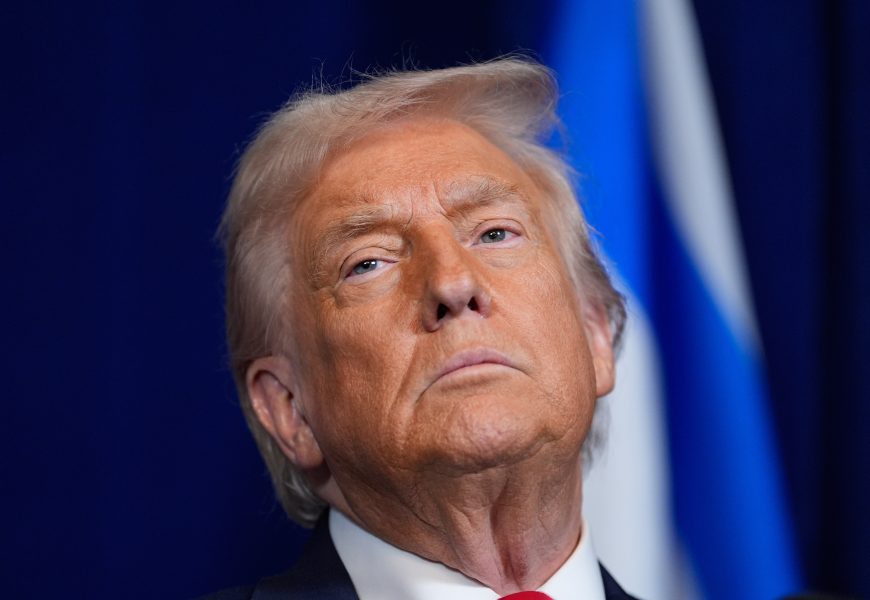
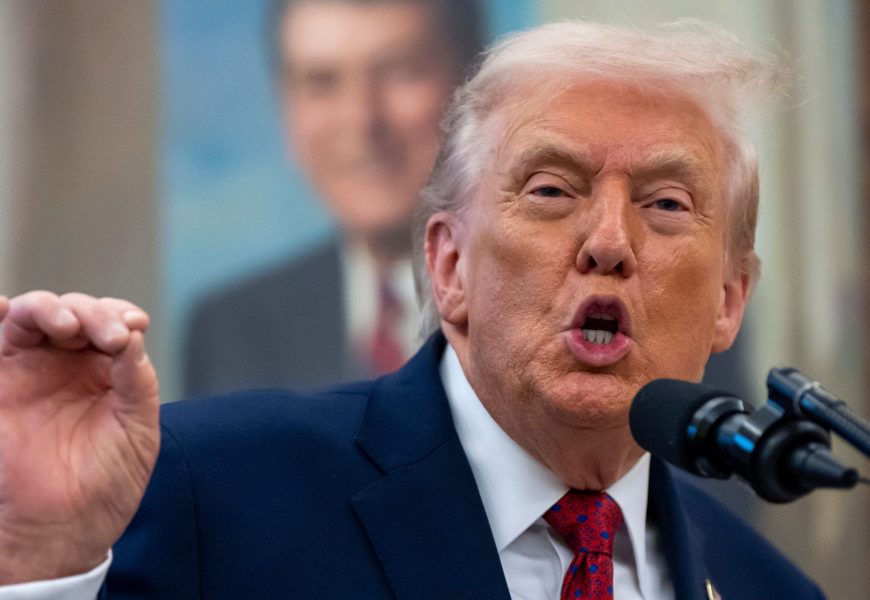
Furniture gained ground following President Donald Trump’s move to delay increased tariffs on upholstered furniture. RH rose 9.5% and Wayfair rose 6.3%.
E-commerce giant Alibaba climbed 4.3% and Baidu, maker of the Ernie chatbot, jumped 9.4% in Hong Kong after it said it plans to spin off its AI computer chip unit Kunlunxin, which would list shares in Hong Kong early in 2027. The plan is subject to regulatory approvals.
Crude oil prices were mostly stable. Prices for U.S. crude oil fell 0.1% to $57.38 per barrel. The price of Brent crude, the international standard, fell 0.1% to $60.77 per barrel.
The price of gold fell 0.2%.
Treasury yields held steady in the bond market. The yield on the 10-year Treasury rose to 4.19% from 4.17% late Wednesday. The yield on the two-year Treasury, which moves more closely with expectations for what the Federal Reserve will do, held at 3.48% from late Wednesday.
Wall Street will move past the mostly quiet holiday season after Friday. The first full week of the new year will include several closely watched economic updates. They will also be some of the last big updates the Fed sees before its next meeting at the end of January.
Next week will feature private reports on the status of the services sector, which is the largest part of the U.S. economy, along with consumer sentiment. Government reports on the job market will also be released. They will all help paint a clearer picture of how various parts of the U.S. economy closed out 2025 and where it might be headed in 2026.
The Fed has had a more difficult task because of the complex shifts within the economy. It cut interest rates three times toward the end of 2025, partly to help counter a weakening jobs market. But inflation remains above its target rate of 2% and cutting interest rates could add more fuel to rising prices. Consumers have already expressed more caution amid the squeeze from stubborn inflation and the U.S. trade war with much of the world has added more uncertainty.
The Fed has already signaled concern and caution. Wall Street is betting that the central bank will hold its benchmark interest rate steady at its January meeting.
More Top Stories