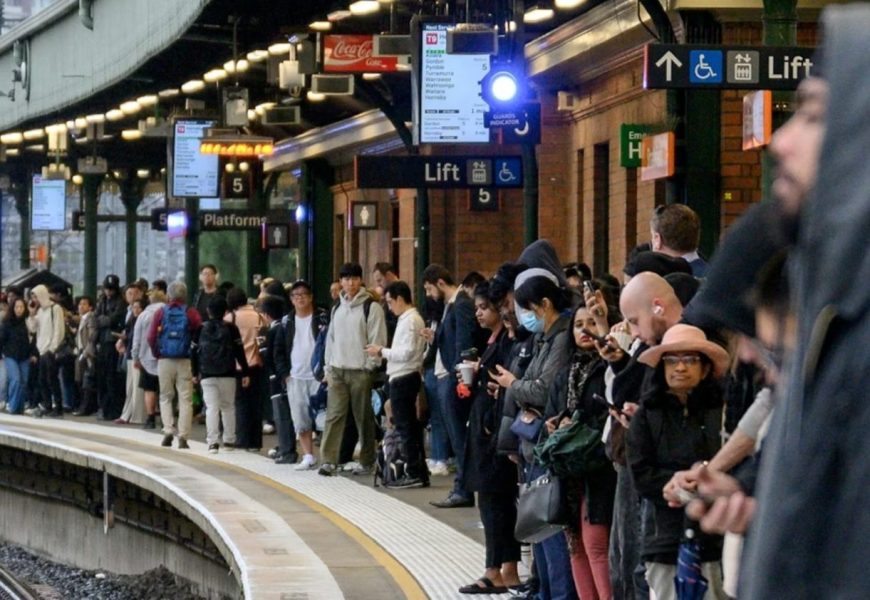
For regular users, these may be manageable. But for those considering a mode shift, even small complications can act as a deterrent and negate the free fare policy. In that sense, disruptions are not conducive to encouraging new users at a time when incentives are in place.
Effective or just popular policy?
The patterns we observe suggest travellers are sensitive to cost.
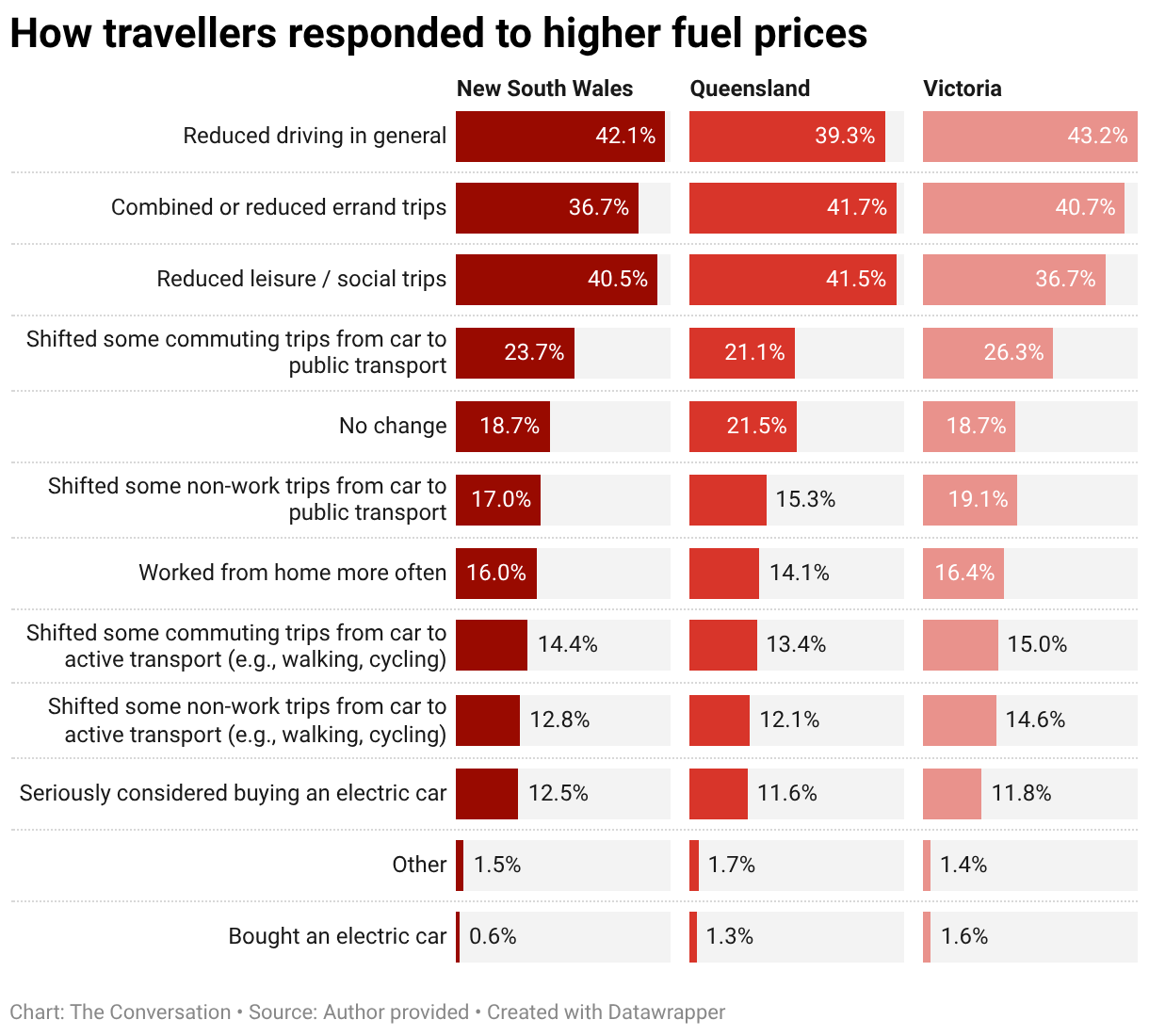
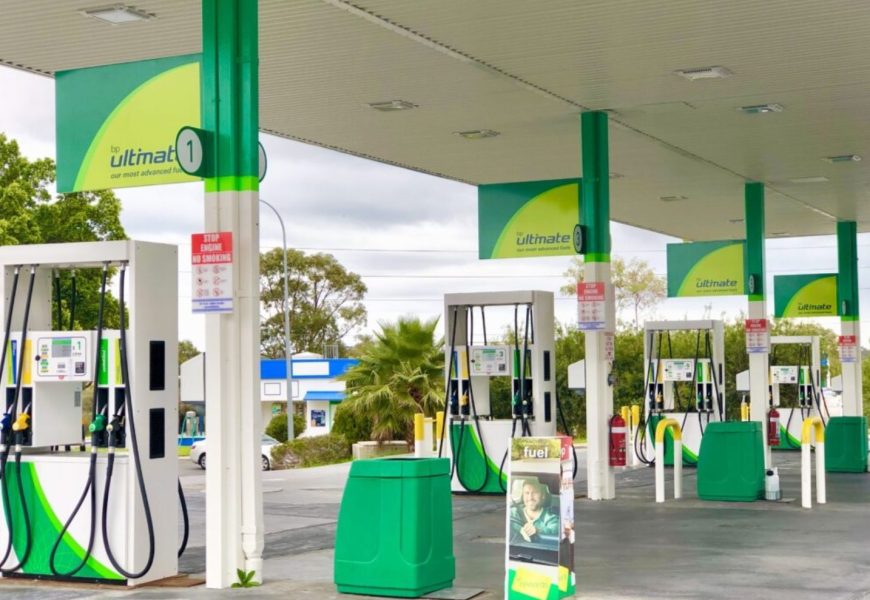
Around four in ten people reported reducing their driving during the fuel price spike, indicating clear sensitivity to rising costs.
However, the relatively small difference between Victoria, where public transport was free, and NSW - where fares remained unchanged - suggests price is not the main constraint on mode shift. Access, travel time, service reliability and the ability to make specific trips appear to matter more.
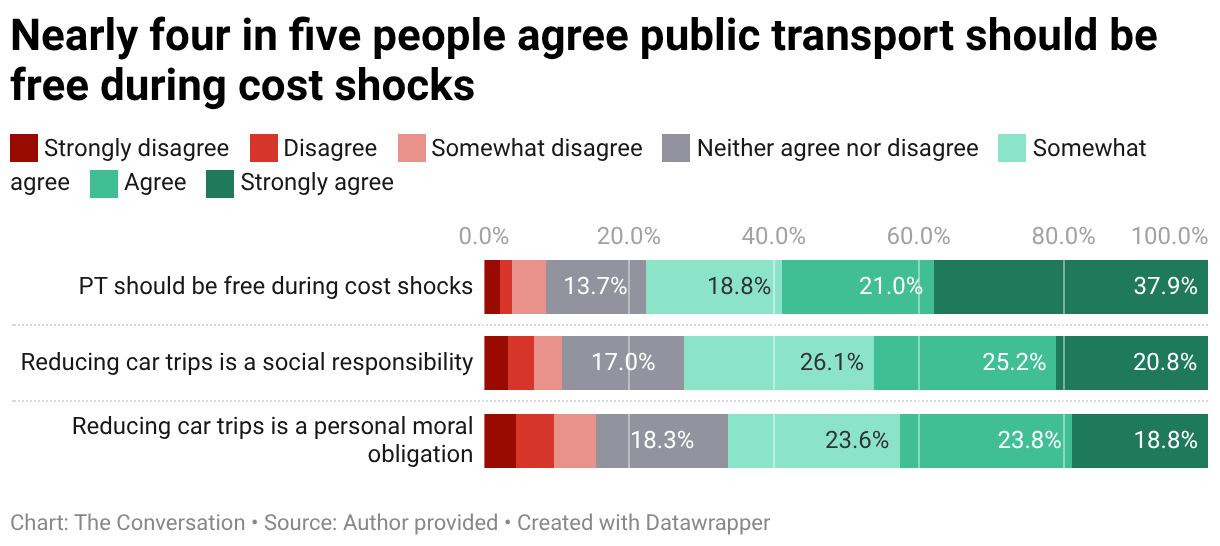
This limits how effective fare-free policies can be in reducing car dependence. But effectiveness is only one dimension of policy. There is also public support.


 °C
°C
 5
Min
5
Min