Home Top Politics Business Sports Technology Entertainment Life/Style Health/Science Photos Videos Travel

Estimated reading time 5 minutes 5 Min

Turf war, tracking devices and intimidation: union boss details climate of fear

"Me sitting here today probably makes me a bigger target."

December 7, 2025
7 December 2025

"Me sitting here today probably makes me a bigger target."

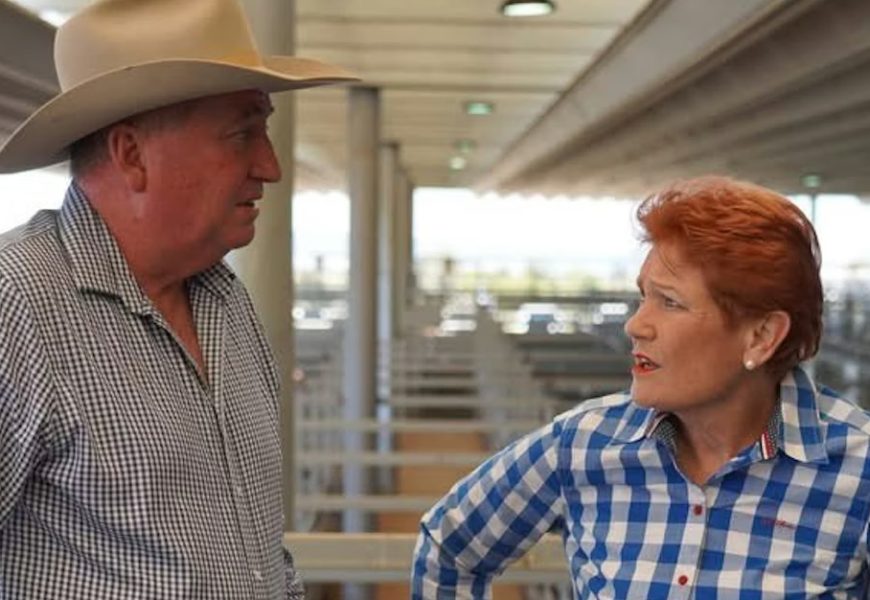
With that stark admission, one of Queensland's most prominent union leaders publicly revealed the personal impact of what she described as years of intimidation and harassment.

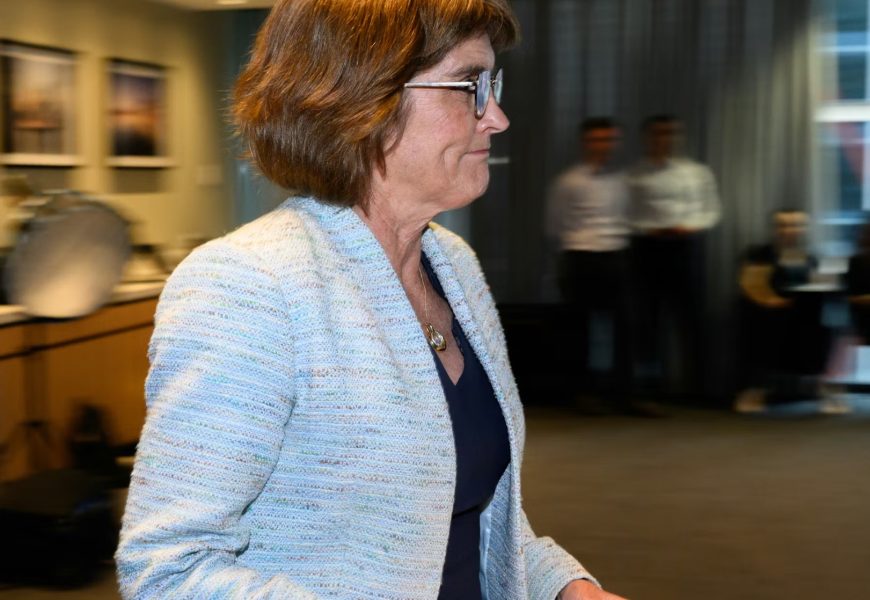
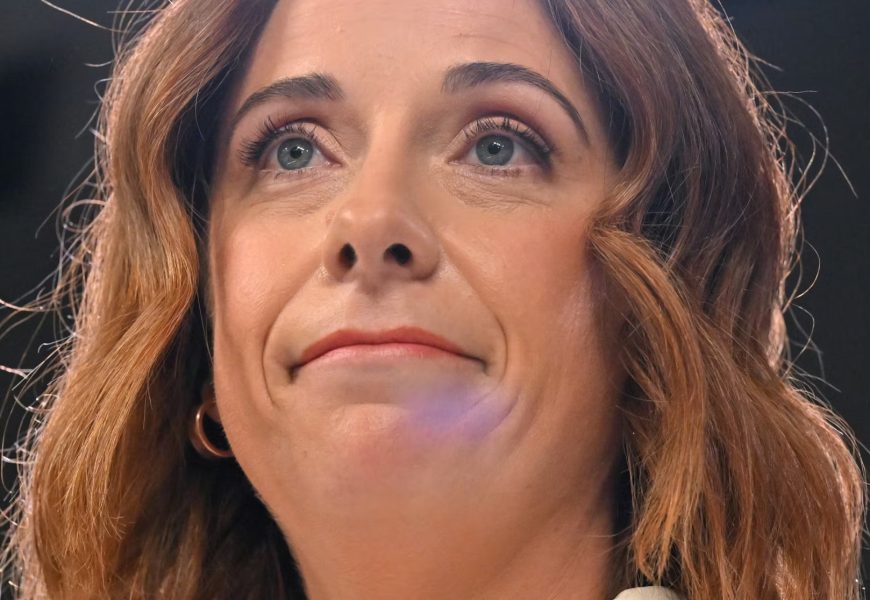
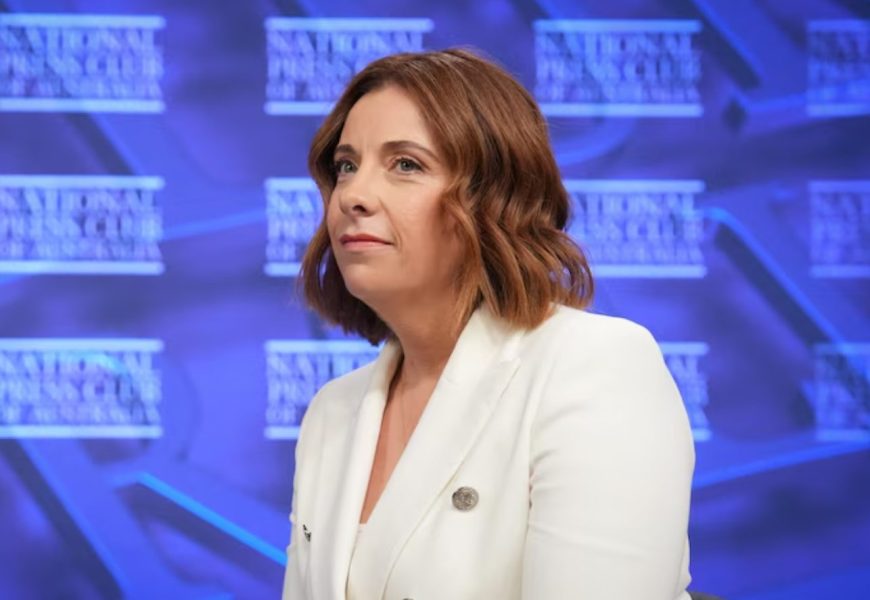
Appearing before the commission of inquiry into the Queensland branch of the CFMEU, Australian Workers' Union (AWU) state secretary Stacey Schinnerl detailed for the first time how a prolonged campaign of alleged abuse left her living in "constant fear".

Over two days of testimony, she recounted claims of death threats, stalking, and harassment so severe some AWU staff were forced to relocate. Her evidence dominated the second round of public hearings in Brisbane, which focused on how a long-running rivalry between the AWU and CFMEU spiralled into a bitter and threatening turf war.


A long-running dispute escalates

Ms Schinnerl presented a timeline of the conflict, saying tensions intensified in 2019 as the CFMEU sought to strengthen its influence on civil construction sites across Brisbane.
She said the situation worsened in 2022 after she became the first woman to lead a branch of the AWU.

"In my view, my appointment was seen as an opportunity for the CFMEU to take over industries they had been targeting," she told the inquiry. "Perhaps they thought a female leader would be easier to push aside."

According to her testimony, the relationship deteriorated sharply after a remark she made about the CFMEU "storming" a government building at a state Labor conference. She said former CFMEU secretary Michael Ravbar viewed the comment as her starting a "war".

"The next week he called all staff into Brisbane and discussed plans to, quote, 'take down' the AWU," she said.

'A campaign of fear'

Ms Schinnerl described what she viewed as escalating acts of intimidation, culminating in what she interpreted as a death threat: "Words to the effect of, if I stick my head up, it will get knocked off."

She became emotional when recounting a 2023 Labour Day incident in Brisbane, where a CFMEU member confronted her "chest to chest" in front of her 13-year-old son. She said the man attempted to move past her toward her child and shouted at him: "How does it feel to know your mum's a f***ing grub who sells out workers?"

The inquiry heard that former CFMEU assistant state secretary Jade Ingham was present and did not intervene.

Ms Schinnerl said ongoing harassment forced her to remove all AWU branding from union vehicles. Footage shown to the commission depicted CFMEU members placing "Australia's Weakest Union" stickers on an AWU car in a secured car park - a gesture she said carried a clear warning: "We know where you are. We are coming for you."

She admitted she initially hesitated to report incidents due to an "unwritten code" within the union movement discouraging members from "grassing on your mates".

But according to Queensland Council of Unions (QCU) general secretary Jacqueline King, she urged Ms Schinnerl to seek help. The pair met with Police Commissioner Steve Gollschewski and Deputy Commissioner Cheryl Scanlon in mid-2023 and provided video evidence of alleged violent conduct. They never received a response, the inquiry heard.

Claims CFMEU shaped government policy

Ms Schinnerl also testified that she raised concerns with former Labor ministers about the CFMEU's level of influence over the now-abandoned Best Practice Industry Conditions (BPIC) policy, which set employment standards on major state infrastructure projects.

She said the union held significant sway throughout government departments. "The CFMEU was very much driving the agenda," she said.

According to her, the policy expanded the CFMEU's "industrial footprint beyond their lawful coverage" and potentially created opportunities for financial gain.

Former Main Roads Minister Mark Bailey, she said, had told her the government did not intend to involve itself in "union turf wars".

Tracking devices found on company vehicles

Ms King gave further evidence relating to the CFMEU's actions on Brisbane's Centenary Bridge upgrade project, where major contractor BMD reported concerns about worker safety as CFMEU picketers blocked daily access.

She said BMD hired a private investigator, who told the company the men on the picket line were linked to former Victorian CFMEU boss John Setka, and that some may have had ties to bikie groups.

The investigator allegedly discovered three tracking devices attached to BMD vehicles, and the company reported its workers were being "stalked at night".

Despite repeated requests for police assistance, Ms King said the Queensland Police Service (QPS) declined to intervene, citing the incidents as "right of entry matters".

The inquiry heard that under an alleged Memorandum of Understanding (MOA), police must notify the state's Industrial Relations Office (IRO) before acting on workplace entry disputes. The IRO contact, the commission was told, was bureaucrat Helen Burgess, whom Ms Schinnerl said had a "close, personal relationship" with former CFMEU president Royce Kupsch.

The QPS has declined to comment while the inquiry is underway.

Hearings to continue next year

Public sittings will resume early next year, with Mr Ravbar and Mr Ingham expected to face the commission and provide their evidence.

More Top Stories