Home Top Politics Business Sports Technology Entertainment Life/Style Health/Science Photos Videos Travel

Estimated reading time 2 minutes 2 Min

South-east Queensland on track for 4.5 million residents by 2032, outpacing national growth, KPMG finds
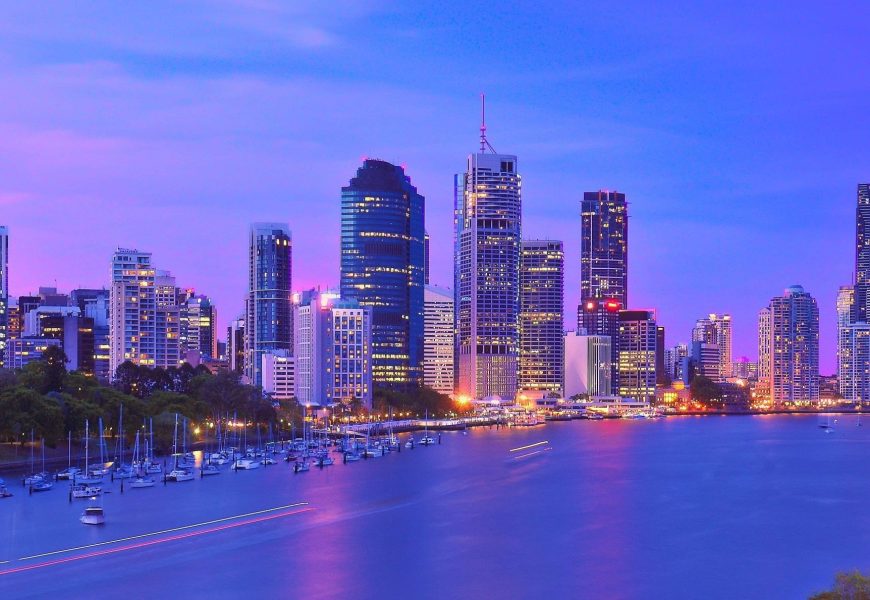
South-east Queensland is projected to hit a population of 4.5 million by the time Brisbane hosts the 2032 Olympic Games, with new analysis showing the region is expanding faster than the rest of the country despite soaring property prices and tight housing supply.

December 1, 2025
1 December 2025

South-east Queensland is projected to hit a population of 4.5 million by the time Brisbane hosts the 2032 Olympic Games, with new analysis showing the region is expanding faster than the rest of the country despite soaring property prices and tight housing supply.

KPMG's review of Australian Bureau of Statistics data shows population growth in the state's south-east has reached up to 2.2 per cent annually over the past five years - well above the national rate of 1.5 per cent.

KPMG urban economist Terry Rawnsley said the region continued to attract people from across Australia.

“People are coming from high-cost Sydney, grey Melbourne, smaller regional cities, and even from places like Darwin and Cairns,” he said.

The report predicts the population could climb to around five million by 2036.

However, the growth is not centred solely on Brisbane. More than half of the new arrivals have settled outside the capital. In the past five years, the Gold Coast has taken in 68,000 new residents, followed by Logan-Beaudesert with 61,000, Ipswich with 51,600, and the Sunshine Coast with 47,500.

Rawnsley said rising prices in Brisbane's inner suburbs were driving more residents to outer growth corridors such as Ipswich and Logan.

Interstate migration remains a major contributor, with more than 22,000 people relocating to the region from other states. But the surge from Sydney has eased in the past three years as Queensland's housing market becomes increasingly expensive.

Property data from Cotality shows Brisbane unit prices lifted by 2.2 per cent in November, while house prices rose 1.8 per cent. Over the past year, housing values have jumped 12.8 per cent, taking the city's median home price to $1,015,767 - the second highest in Australia behind Sydney.

REA Group senior economist Eleanor Creagh said prices were still rising, but not at a faster rate than last year.

"The supply of new housing simply isn't keeping pace with demand," she said.
"As a result, the core pressures underpinning the market remain, and home prices continue to face upward momentum."

More Top Stories