Home Top Politics Business Sports Technology Entertainment Life/Style Health/Science Photos Videos Travel

Estimated reading time 4 minutes 4 Min

Jury begins deliberations in trial of Rajwinder Singh over 2018 killing of Toyah Cordingley
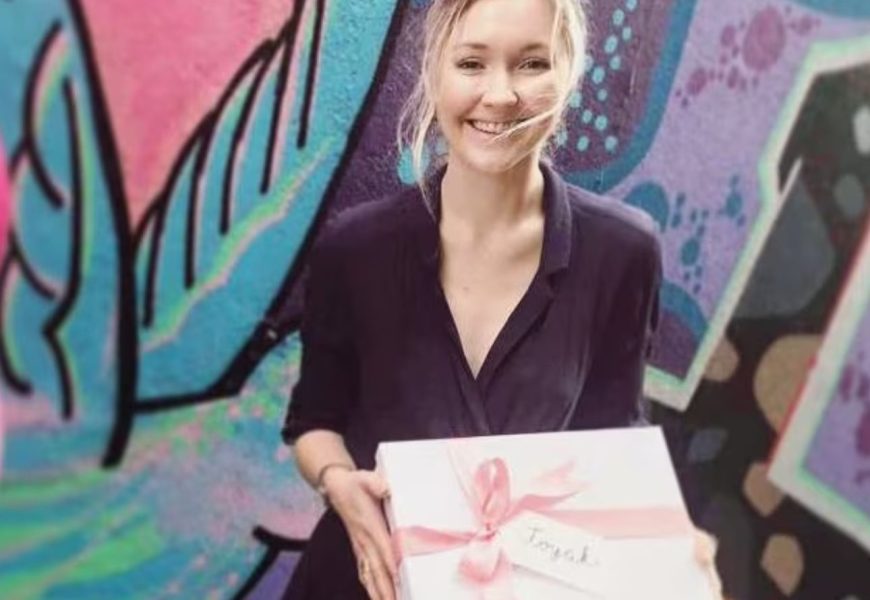
Jurors have retired to consider their verdict in the trial of Rajwinder Singh, who is accused of murdering 24-year-old Toyah Cordingley on a Far North Queensland beach in 2018.

December 7, 2025
7 December 2025

Jurors have retired to consider their verdict in the trial of Rajwinder Singh, who is accused of murdering 24-year-old Toyah Cordingley on a Far North Queensland beach in 2018.

After almost four weeks of evidence - including testimony from more than 80 witnesses - the jury in the Cairns Supreme Court began its deliberations on Friday afternoon. The group, made up of nine men and three women, will resume discussions on Monday morning.

Seven years since the killing

Ms Cordingley had gone to Wangetti Beach, north of Cairns, on the afternoon of October 21, 2018, to walk her dog. Her father, Troy Cordingley, discovered her body the next morning, partially buried in sand with multiple stab wounds and a cut throat.


Mr Singh, now 41, has pleaded not guilty to her murder.

Before sending the jury out, Justice Lincoln Crowley formally released two reserve jurors. Deliberations commenced at 3:13pm.

Focus on travel, phone data and forensic evidence

During the trial, prosecutors outlined that Mr Singh booked a one-way flight to India the morning after Ms Cordingley was killed. He left behind his wife, three children, his parents and his job at Innisfail Hospital - and did not contact family again until after his arrest in New Delhi more than four years later. He did not oppose extradition back to Australia in early 2023.

Police first identified Mr Singh as a potential suspect roughly three weeks after the killing. Investigators had been analysing CCTV and traffic footage from Cairns' northern beaches in an effort to match vehicle movements with the final three cell tower connections from Ms Cordingley's phone.

Evidence presented in court suggested her phone began moving away from the beach before 5pm - even though her body remained there. Prosecutors said only one vehicle appeared consistent with that movement: a blue Alfa Romeo, the same model driven by Mr Singh.

By the time officers turned their attention to him, they had already forensically examined the car and clothing of Ms Cordingley's boyfriend, Marco Heidenreich, and seized his mobile phone. They had also collected photos taken by Mr Heidenreich's friend on a hike near Port Douglas on the day of the murder. Police canvassed DNA samples from Wangetti locals and tested several knives.

The jury heard that DNA found on a stick discovered with Ms Cordingley's body was 3.7 billion times more likely to belong to Mr Singh than to anyone else.

Although police made early enquiries with Indian authorities, no progress was made until a reward was issued in late 2022. Information received shortly afterward led to Mr Singh's arrest.

Undercover recording and competing arguments

Jurors listened to an undercover recording in which Mr Singh claimed he fled Australia after witnessing masked killers, saying he left out of fear.
Crown prosecutor Nathan Crane argued the accused had crafted a "deceiving" narrative during the years he was overseas, and highlighted the prosecution's view that Mr Singh had time to dispose of possible evidence, had been driving the only vehicle matching the movements of Ms Cordingley's phone, and had decided to leave Australia the same night she died.

Defence barrister Greg McGuire KC urged the jury to consider gaps in the prosecution's case - including the absence of Mr Singh's DNA on Ms Cordingley's dog Indie or the tree she was tightly tied to. He questioned whether a single attacker could restrain a large dog and kill Ms Cordingley alone, and argued the scenario did not fit with Mr Singh's background as a "peaceful nurse".

He suggested unknown offenders, potentially drug-affected or mentally unwell, could be responsible and told jurors police had targeted "the wrong bloke".

Judge instructs jury on the law

Justice Crowley began summing up the case on Thursday, reminding jurors that they alone are responsible for determining the facts. He reviewed witness testimony and evidence including forensics, mobile data and individuals identified by the defence as possible alternative suspects.

He emphasised that to convict, jurors must be satisfied beyond reasonable doubt that Mr Singh is the only reasonable explanation for the circumstantial evidence.

A unanimous verdict is required, as Queensland law does not permit majority decisions in murder cases.

Before dismissing court for the weekend, Justice Crowley warned jurors to avoid media coverage and not to conduct any research or discuss the case.

"Most importantly," he told them, "don't continue deliberations until you are all back together here at 10am on Monday."

More Top Stories