What about the global fuel crisis?
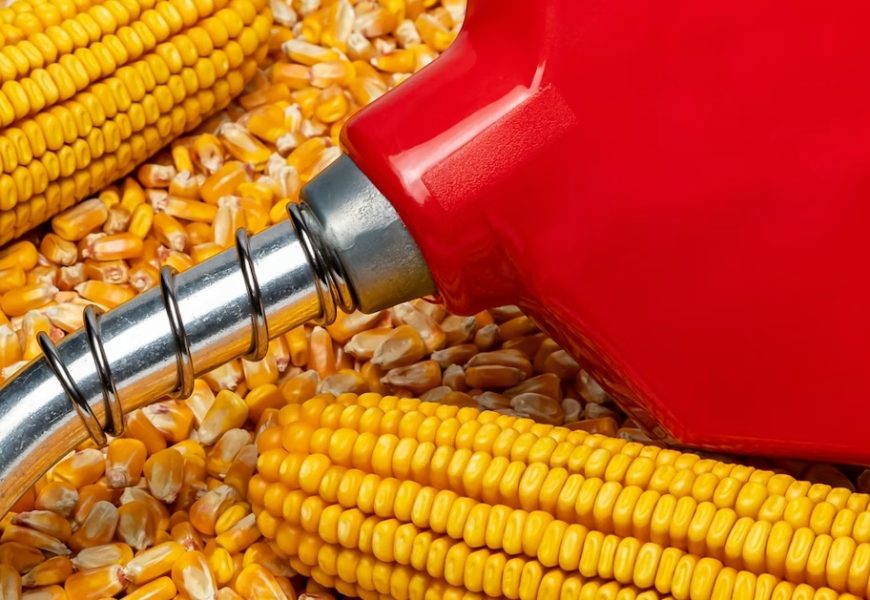
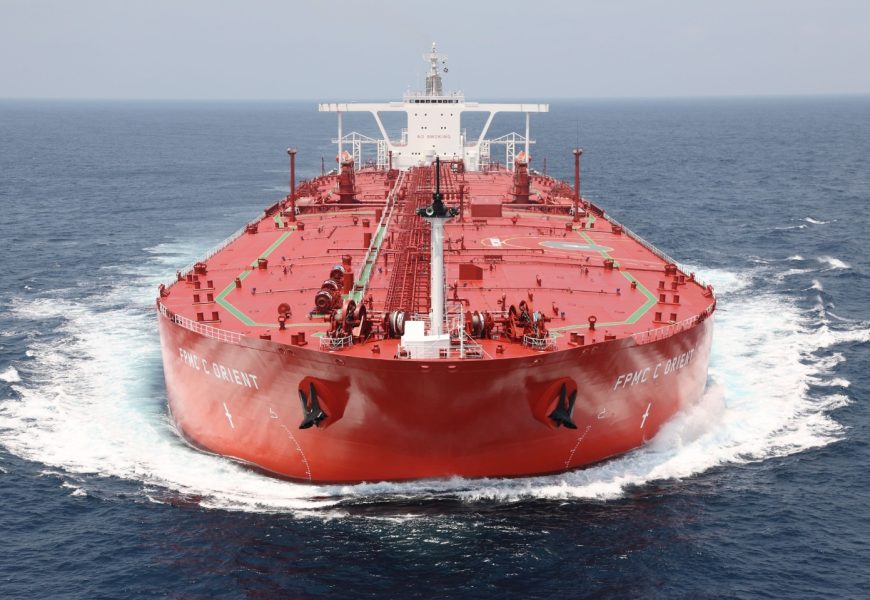
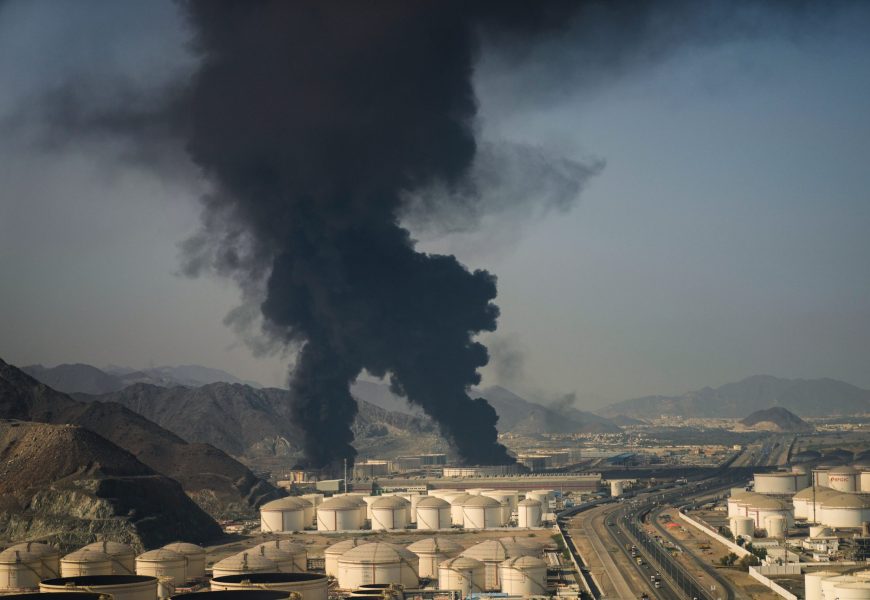
Over the past 14 years, demand for E10 fuel has declined by about 44%. But this trend could turn around, as the prolonged closure of the Strait of Hormuz forces governments around the world to consider alternatives to diesel and regular petrol.
For countries which import most of their crude oil and refined petroleum products, encouraging the production and use of E10 may slightly reduce the strain on domestic fuel supplies. This is because adding up to 10% ethanol increases how much regular petrol is available. However, this assumes residents have engines that are compatible with lower-grade fuels. And it would only be useful if countries can produce their own ethanol, instead of relying on imported ethanol.
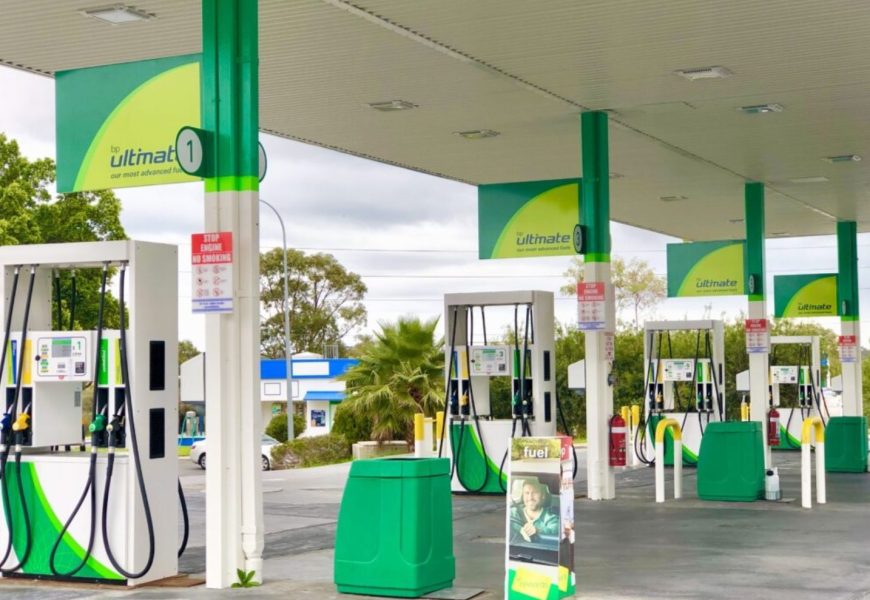
In Australia, we import the vast majority of our diesel. This makes us extremely vulnerable to fuel shocks, including the crisis we're currently experiencing. We meet about 20% of our national fuel demand with domestic supplies. However, only a portion of that fuel is produced in the form of unleaded petrol which is suitable for E10 blending.
Australia produces nearly all of the ethanol we consume domestically, in any given year. This includes ethanol used in E10 fuel. Increasing our domestic ethanol production, involving both our agricultural and manufacturing sectors, could help conserve a small percentage of our national petrol supplies. This is because the E10 blending process must happen at the point of refining, so we can only add ethanol to the petrol we produce in Australia.
If every Australian switched to using E10, this would save roughly 2% of the 20% of petrol we produce domestically. Every saving matters in a global fuel crisis. However, our current reliance on fossil fuels such as coal and gas limits the potential benefits of switching to E10.


 °C
°C
 5
Min
5
Min