°C
°C
 2
Min
2
Min
Queensland is seeing an early lift in influenza activity, with health authorities pointing to the spread of a highly infectious strain-dubbed "Super-K"-as a key driver behind the jump in confirmed cases and hospital presentations. In the week ending Sunday 9 February, Queensland Health recorded hundreds of confirmed influenza cases and dozens hospitalised.
Influenza spike linked to highly infectious "Super-K" strain

Queensland is seeing an early lift in influenza activity, with health authorities pointing to the spread of a highly infectious strain-dubbed "Super-K"-as a key driver behind the jump in confirmed cases and hospital presentations.
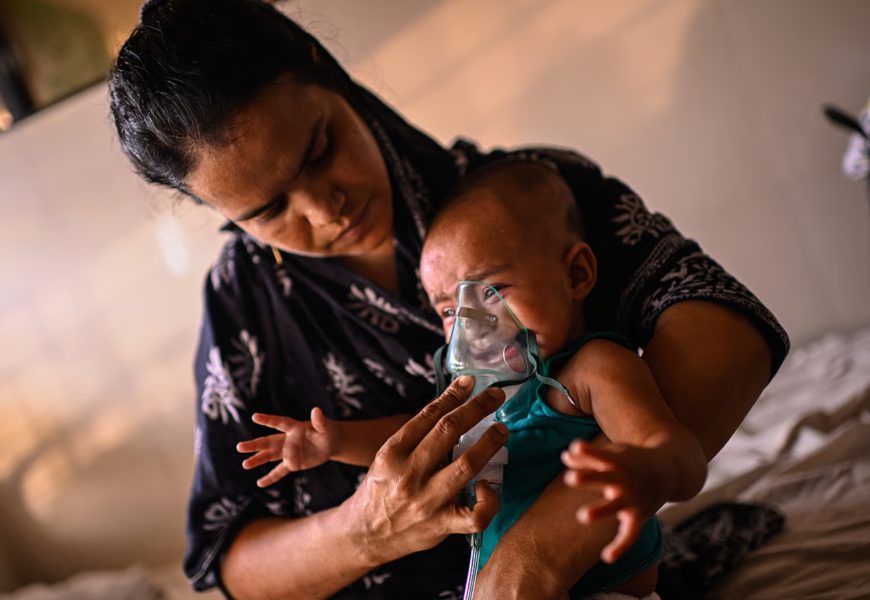
In the week ending Sunday 9 February, Queensland Health recorded hundreds of confirmed influenza cases and reported dozens of people hospitalised, a signal that seasonal respiratory illness is ramping up earlier than many households expect. Health officials are urging Queenslanders not to dismiss symptoms as "just a summer cold," particularly as influenza can move quickly through families, workplaces and schools once community transmission rises.
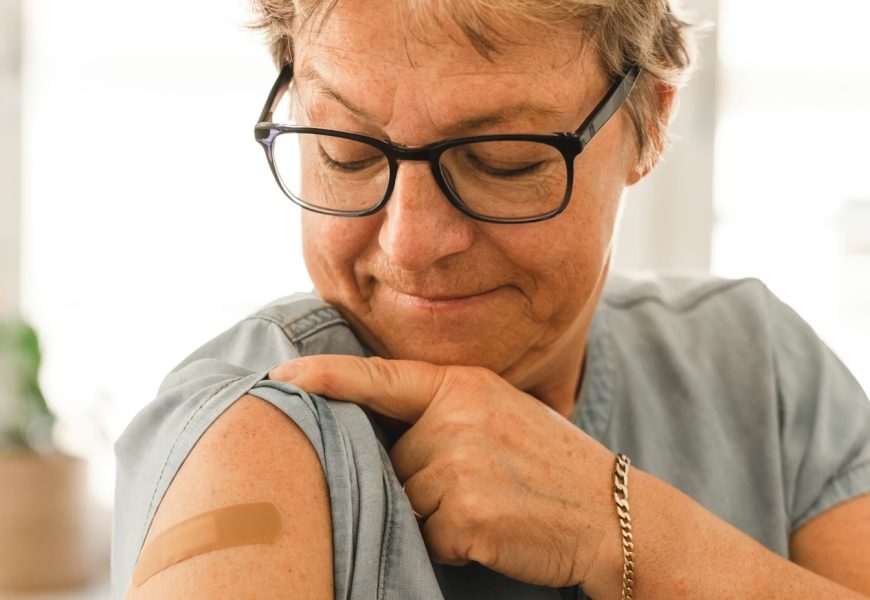
Doctors and public health teams typically emphasise three immediate steps when case numbers climb: get vaccinated if eligible, practise everyday hygiene (handwashing, covering coughs and sneezes), and stay home when unwell to reduce spread to vulnerable people-including infants, older Queenslanders, pregnant women and those with chronic illness.
The early-season shift is also a reminder for employers, schools and event organisers to review "stay home when sick" messaging and practical supports-like allowing remote participation where possible-so outbreaks don't cascade. While individual risk varies, influenza is not trivial: it can lead to pneumonia, dehydration, secondary infections and, for high-risk groups, serious complications that require hospital care.
More Top Stories