Estimated reading time 3 minutes 3 Min

Historic defence sites to be sold in $2 billion reinvestment push

Military-owned golf courses, islands and some of Australia's most historic defence properties are set to be sold under a major reform aimed at raising close to $2 billion for the nation's armed forces. Defence Minister Richard Marles confirmed that 67 defence-owned sites would be fully or partially sold, with all proceeds reinvested into the Australian Defence Force (ADF).


February 4, 2026
4 February 2026

Military-owned golf courses, islands and some of Australia's most historic defence properties are set to be sold under a major reform aimed at raising close to $2 billion for the nation's armed forces.

Defence Minister Richard Marles confirmed that 67 defence-owned sites would be fully or partially sold, with all proceeds reinvested into the Australian Defence Force (ADF).

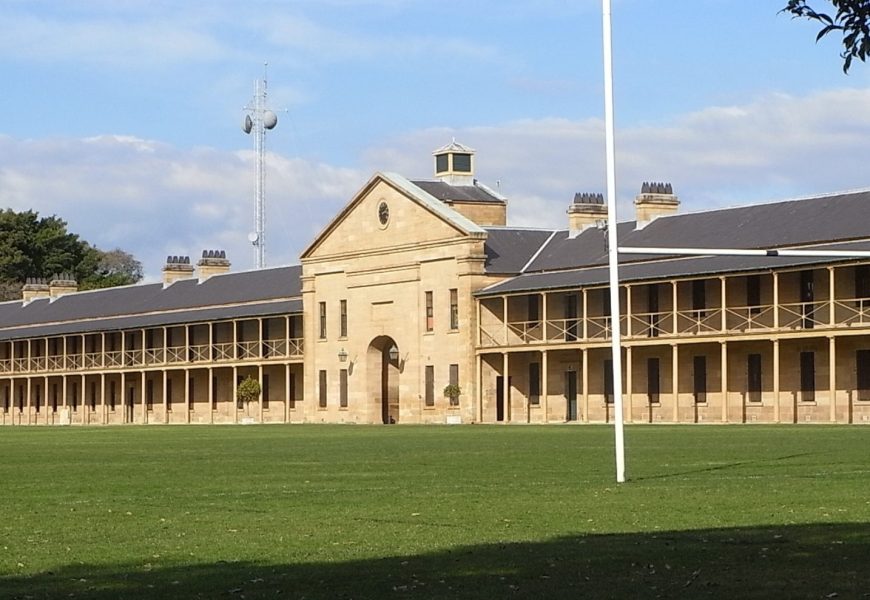
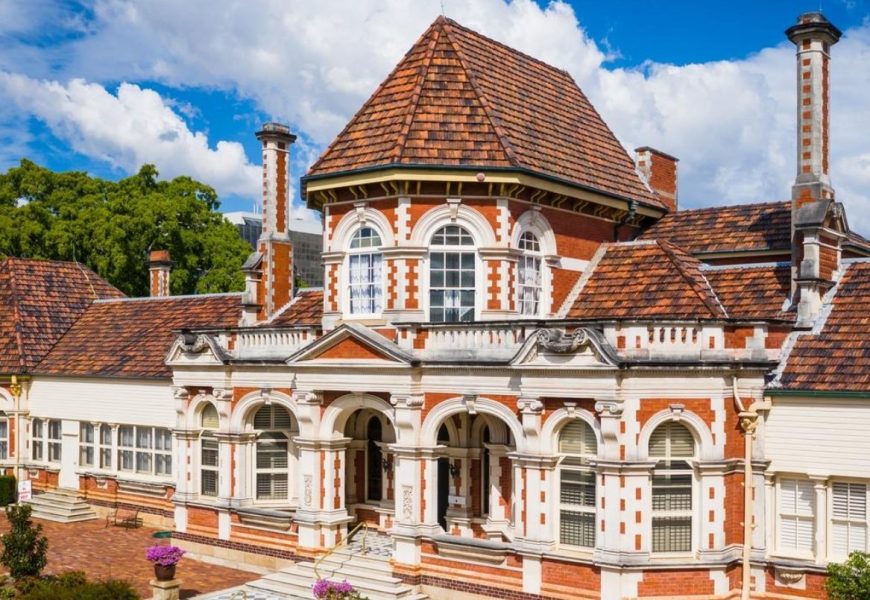
The properties earmarked for sale include the historic Victoria Barracks, as well as its counterparts in Sydney and Brisbane. Several of the sites date back to the mid-19th century and are located on highly valuable inner-city or waterfront land.

Mr Marles said the defence estate had grown too large and inefficient, with many properties now vacant, deteriorating or costly to maintain.

"Defence, as one of the largest property owners in the country, has a very significant estate, much of which is simply not being used," he said.

The sell-off is expected to generate just under $2 billion and save taxpayers around $100 million a year in ongoing maintenance costs.

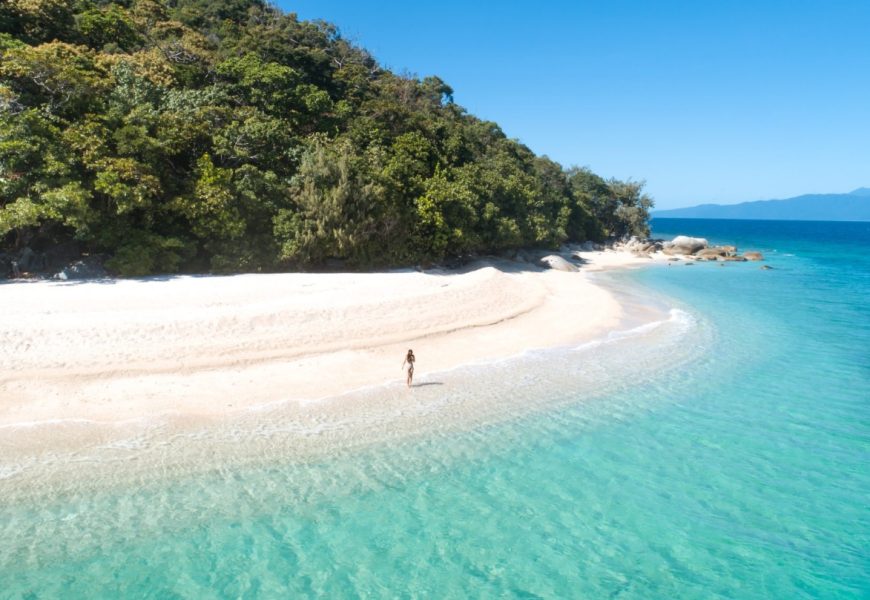
In Sydney, the plan includes the sale of the heritage-listed Victoria Barracks in the eastern suburbs, established in 1840, where between 450 and 650 personnel will be relocated to other defence facilities. An unoccupied naval base on Spectacle Island will also be sold, while the navy diving base HMAS Penguin will be partially divested.

Melbourne's Victoria Barracks, which played a key role in both World Wars, will also be offered for sale, along with three military-owned golf courses in Victoria and the ACT.

The changes follow an independent audit of the defence estate, which spans about 3.8 million hectares nationwide. The review recommended the sale of 68 properties, three of which have already been sold. While most recommendations will proceed, a dive training site at Pittwater on Sydney's northern beaches will be retained due to its critical operational role.

Mr Marles acknowledged that some within the military opposed the decision, citing emotional and historical attachments to long-standing bases. However, he said the heritage value of the sites ultimately belonged to the broader community.

"The heritage value of these properties does not belong to the Army or the ADF - it belongs to the Australian people," he said.

Under the plan, ownership of the sites will be progressively transferred to the Finance Department, which will oversee the sales. Officials expect some properties could take years to sell, with buyers likely to include state governments and private developers.

The Opposition has responded cautiously, questioning whether the move is driven by budget pressures rather than defence strategy. Liberal Senator Andrew Bragg accused the government of selling assets to plug funding gaps, a claim Mr Marles rejected.

Describing the reform as "significant and challenging," the Defence Minister said it was essential to ensure the ADF had modern facilities suited to future operational needs.

"For many years this has not been the case, with many defence sites vacant, decaying, under-utilised and costing millions of dollars to retain."

More Top Stories