°C
°C 10
Min
10
Min
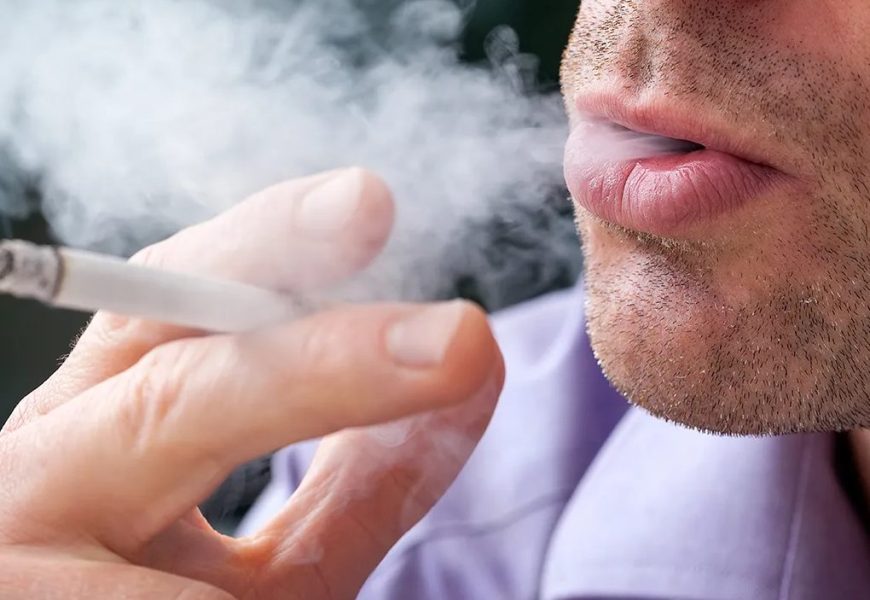
Winston Churchill has just arrived in New York City. It is October 6 1929. Travelling with several members of his family, the British statesman checks into the Plaza Hotel, synonymous with wealth and celebrity - and certainly not cheap. But that's no concern for Churchill: the cost of his stay - along with his cigars and brandy - are being covered by his old friend, financier Bernard Baruch.
Experts are predicting a stock market crash - what does 1929 have to teach us?

Winston Churchill has just arrived in New York City. It is October 6 1929. Travelling with several members of his family, the British statesman checks into the Plaza Hotel, synonymous with wealth and celebrity - and certainly not cheap. But that's no concern for Churchill: the cost of his stay - along with his cigars and brandy - are being covered by his old friend, financier Bernard Baruch.
After eight weeks of crisscrossing North America, after being wined and dined by his affluent contacts and business acquaintances, it's no wonder Churchill became "swept up in stock market fever", writes journalist Andrew Ross Sorkin in his riveting new book, 1929: The Inside Story of the Greatest Crash in Wall Street History.
The anecdote is an insight into conditions in the US in the weeks leading up to the October 1929 Wall Street Crash. The first day of real panic, October 24 - known as Black Thursday - came just a few weeks after Churchill's visit. A record 12.9 million shares were traded on the exchange that day, marking the beginning of the Wall Street Crash. Over two trading days, US$30 billion of the market's US$80 billion value disappeared.
The release of this book seems timely: many are making parallels between 1929 and now. "The 1920s economy boomed while America recovered from a deadly pandemic, the flu of 1918," wrote William A. Birdthistle, a former director of Investment Management at the US Securities and Exchange Commission, in the New York Times last month. "Automobile and telephone stocks were the high-flying tech investments of their day; Tesla and Apple are two of ours."