°C
°C
 4
Min
4
Min
Ambulance ramping across Queensland has dropped to its lowest level in five years, according to new quarterly health data released by the Queensland Government, signalling early progress as the State's fully funded Hospital Rescue Plan moves from planning into delivery. The December quarter figures show the statewide ambulance ramping rate fell to 37.3 per cent.
Ambulance ramping falls to five-year low as Hospital Rescue Plan gathers pace across Queensland
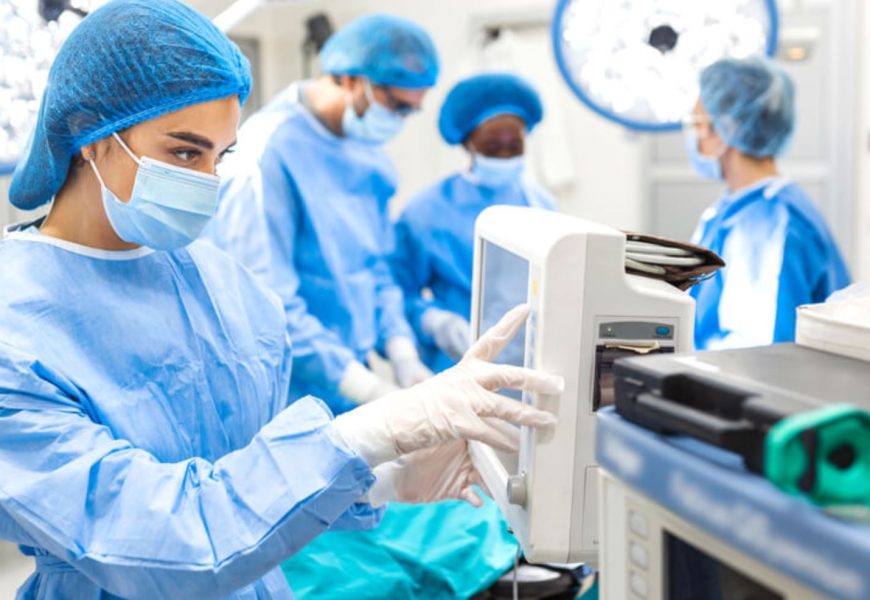
Ambulance ramping across Queensland has dropped to its lowest level in five years, according to new quarterly health data released by the Queensland Government, signalling early progress as the State's fully funded Hospital Rescue Plan moves from planning into delivery.
The December quarter figures show the statewide ambulance ramping rate fell to 37.3 per cent, the lowest quarterly result recorded since December 2020. The improvement comes alongside a stabilisation of the elective surgery waitlist, which now sits at 61,785 patients, down from a post-election peak of 66,632.
The Government says the figures mark an important early turning point after years of sustained pressure on hospitals and emergency departments, with ramping and surgery backlogs rising year-on-year under the former Labor administration.
While acknowledging that ramping rates can fluctuate between quarters, the Queensland Government has framed the latest data as evidence that structural reforms and long-term infrastructure investment are beginning to ease pressure across the system.
Infrastructure at the heart of reform
Central to the improvement is the Hospital Rescue Plan, a statewide program designed to address what the Government describes as major infrastructure shortfalls left unfunded or delayed for more than a decade.
A major milestone was reached last week at Brisbane's QEII Hospital, where the final cement pour was completed on the new five-storey Clinical Services Building. The milestone marks the end of the structural phase and allows internal fit-out works to begin.
Once completed in 2028, the QEII expansion will deliver:
- 112 new inpatient beds
- Upgraded surgical theatres
- Expanded intensive care capacity
- A new multi-level car park with 1,379 spaces
- A critical $70 million high-voltage power upgrade, previously unfunded
Construction on the Clinical Services Building began in February 2025 and is tracking on schedule, with the Government emphasising that reliable power and modern clinical spaces are essential to reducing emergency department congestion and ambulance delays.
Statewide hospital pipeline accelerates
The QEII milestone forms part of a broader surge in hospital planning and construction now underway across Queensland.
Key Hospital Rescue Plan milestones delivered or progressed in 2026 include:
- A new Cairns Hospital Master Plan, featuring a more than $1 billion investment to expand and modernise the hospital, strengthen cyclone and weather resilience, and enhance education and research facilities.
- Final early works for the new Toowoomba Hospital, with 538 beds to be delivered at the Baillie Henderson Campus by 2029.
- Approval of business cases for 20 rural and remote hospital projects under the Building Rural and Remote Hospital Program (BRRHP), including upgrades or redevelopments at Hughenden, Richmond, Home Hill, Chinchilla, Biloela, Laidley, Boonah, Murgon, Childers, Proserpine, Jandowae, Dalby, Warwick, Bamaga, Yellagundgimarra, Laura, Boigu, Badu Island, Lockhart River and Horn Island.
Together, the Hospital Rescue Plan is set to deliver 2,600 new hospital beds across the state, with the aim of easing pressure on emergency departments, improving elective surgery flow, and ensuring Queensland's health system can meet the demands of a growing population.
Government response
Premier David Crisafulli said the latest data showed the State was beginning to move in the right direction.
"We are healing Labor's Health Crisis, and this latest ramping data is an important sign that we are on the right path," the Premier said.
"Queenslanders deserve a world-class health system, and that's why we are building the health infrastructure our growing state needs to help overturn a decade of delayed ambulances and soaring elective surgery waitlists.
"We are delivering easier access to health services for all Queenslanders, no matter where they live."
Minister for Health and Ambulance Services Tim Nicholls said the fully funded nature of the Hospital Rescue Plan was critical to delivering lasting change.
"After a decade of decline, the Crisafulli Government is turning the tide on Labor's Health Crisis," he said.
"Our Hospital Rescue Plan is now in full swing, delivering new and expanded hospitals across the State and health services when Queenslanders need them most.
"We're seeing the first green shoots when it comes to bringing down ambulance ramping and stabilising the elective surgery waitlist, but we know there is more work to do."
The Government has stressed that reducing ramping will require sustained effort, with continued investment in beds, staff, power infrastructure and modern clinical facilities. More Hospital Rescue Plan project sites are expected to move into construction over the coming months and years.
More Top Stories