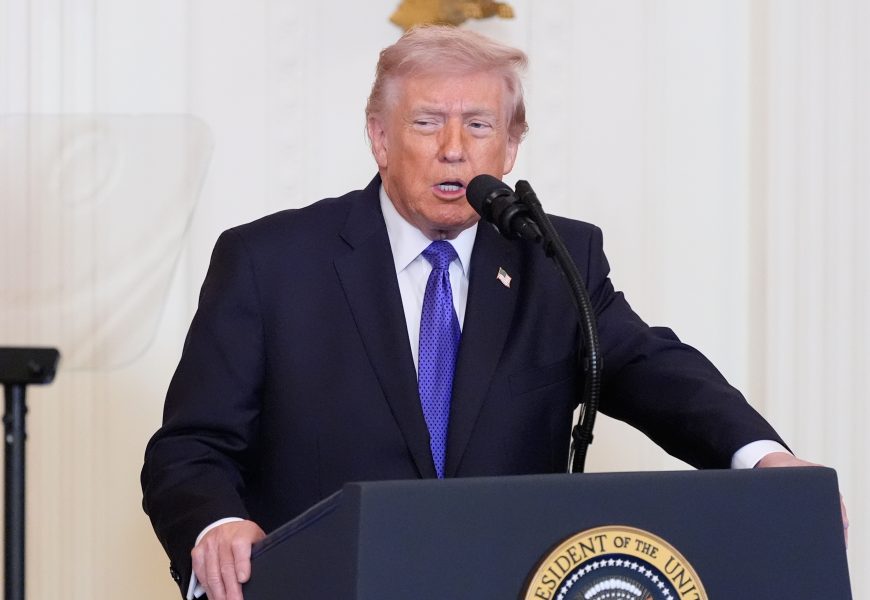
"The Constitution gives war powers to two different branches of government," said military historian Peter Mansoor, an Ohio State University professor and retired U.S. Army colonel. "The pendulum has swung towards the executive," he lamented, arguing that "the framers meant for Congress to be the most powerful branch."
Here is a look at what the Constitution says and how U.S. war powers have played out.
Article I, which established Congress, states that lawmakers "shall have power ... to declare war." Article II, which established the presidency, makes the chief executive the "commander in chief of the Army and Navy." The Constitution also gives Congress authority over military budgets.
Congress has not declared an official state of war since World War II. Yet since 1945, U.S. service members have fought and died in full-scale conflicts in Korea, Vietnam, Iraq and Afghanistan, among other places.
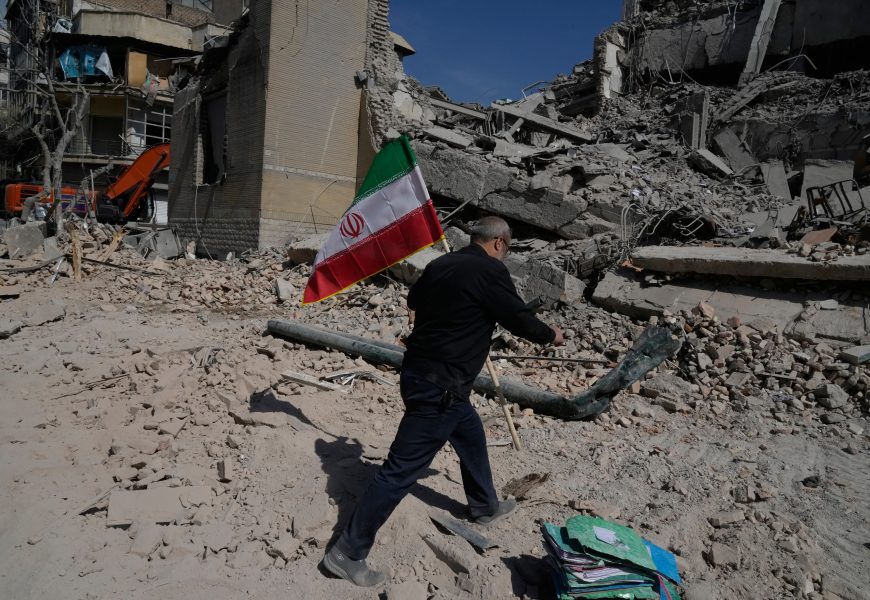
In the Maduro mission, an Army pilot was injured, leading Trump to award him the Medal of Honor - recognition legally restricted to actions taken when fighting a foreign enemy. As of Wednesday, six U.S. service members had died in the Iran war.


 °C
°C
 6
Min
6
Min