Congress expanded the law in 1807, restating presidential authority to counter "insurrection or obstruction" of laws. Nunn said the early statutes recognized a fundamental "Anglo-American tradition against military intervention in civilian affairs" except "as a tool of last resort."
The president argues Minnesota officials and citizens are impeding U.S. law by protesting his agenda and the presence of U.S. Immigration and Customs Enforcement officers and Customs and Border Protection officers. Yet early statutes also defined circumstances for the law as unrest "too powerful to be suppressed by the ordinary course" of law enforcement.
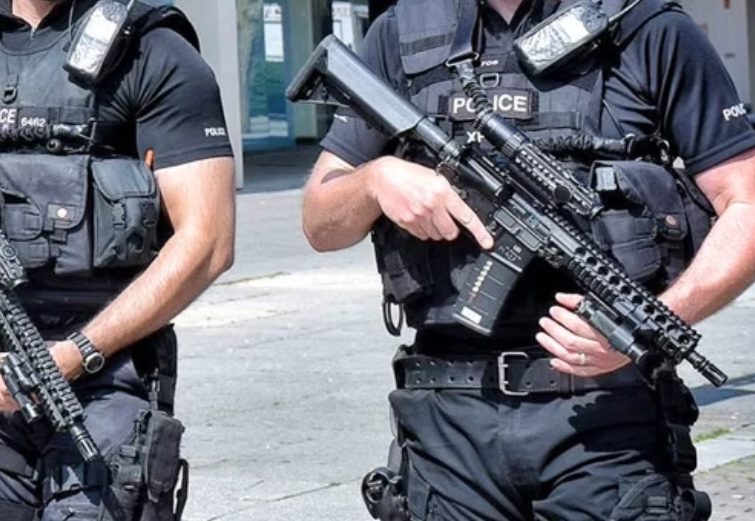
There are between 2,000 and 3,000 federal authorities in the Minneapolis-St. Paul metro area, compared to Minneapolis, which has fewer than 600 police officers. Protesters' and bystanders' video, meanwhile, has shown violence initiated by federal officers, with the interactions growing more frequent since Renee Good was shot three times and killed.
"ICE has the legal authority to enforce federal immigration laws," Nunn said. "But what they're doing is a sort of lawless, violent behavior" that goes beyond their legal function and "foments the situation" Trump wants to suppress.
"They can't intentionally create a crisis, then turn around to do a crackdown," he said, adding that the Constitutional requirement for a president to "faithfully execute the laws" means Trump must wield his power, on immigration and the Insurrection Act, "in good faith."


 °C
°C
 6
Min
6
Min