°C
°C
 4
Min
4
Min
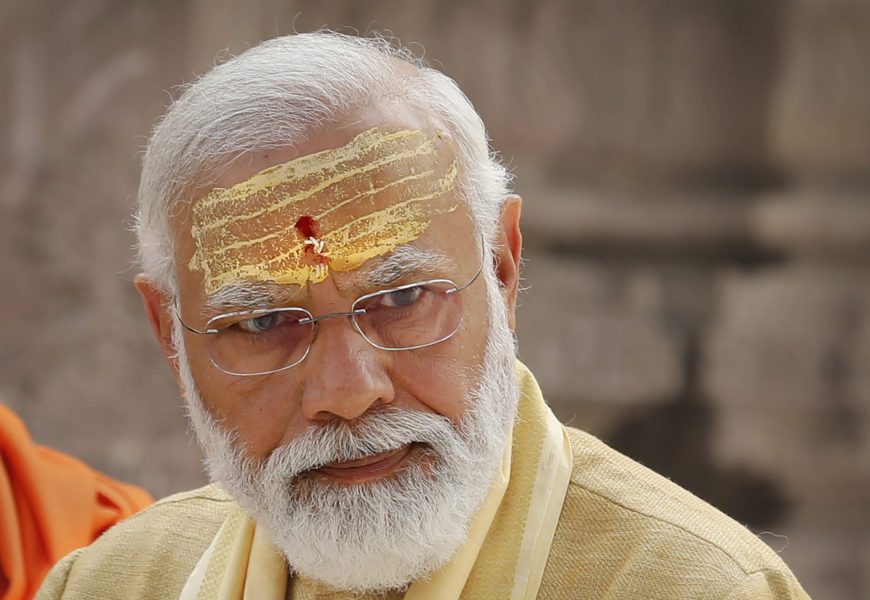
NEW DELHI (AP) – Indian lawmakers from the ruling coalition praised Prime Minister Narendra Modi on Tuesday for striking a deal with the U.S. that seeks to reduce tariffs on Indian goods, while the opposition raised questions on the impact on sensitive sectors such as agriculture.
India’s Modi praised for US trade deal as opposition questions impact on agriculture
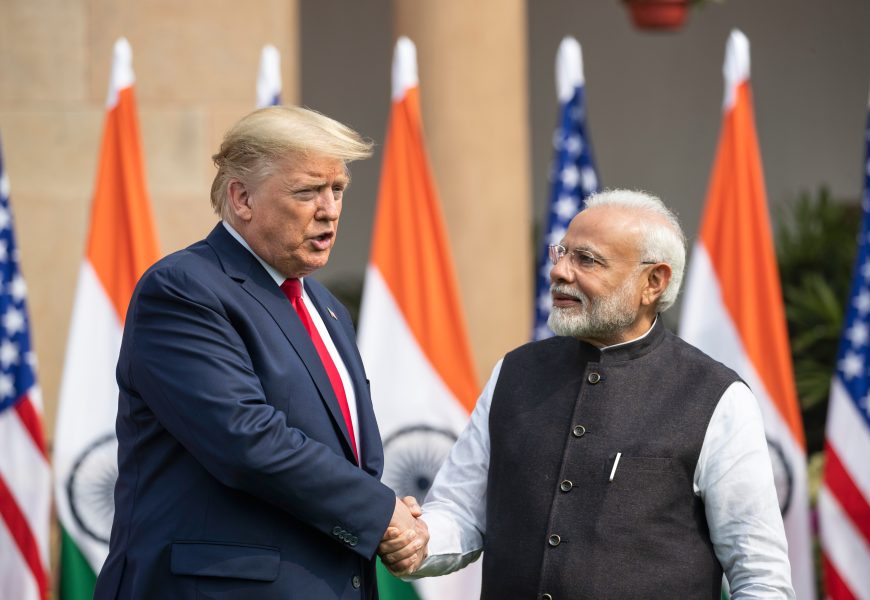
NEW DELHI (AP) - Indian lawmakers from the ruling coalition praised Prime Minister Narendra Modi on Tuesday for striking a deal with the U.S. that seeks to reduce tariffs on Indian goods, while the opposition raised questions on the impact on sensitive sectors such as agriculture.
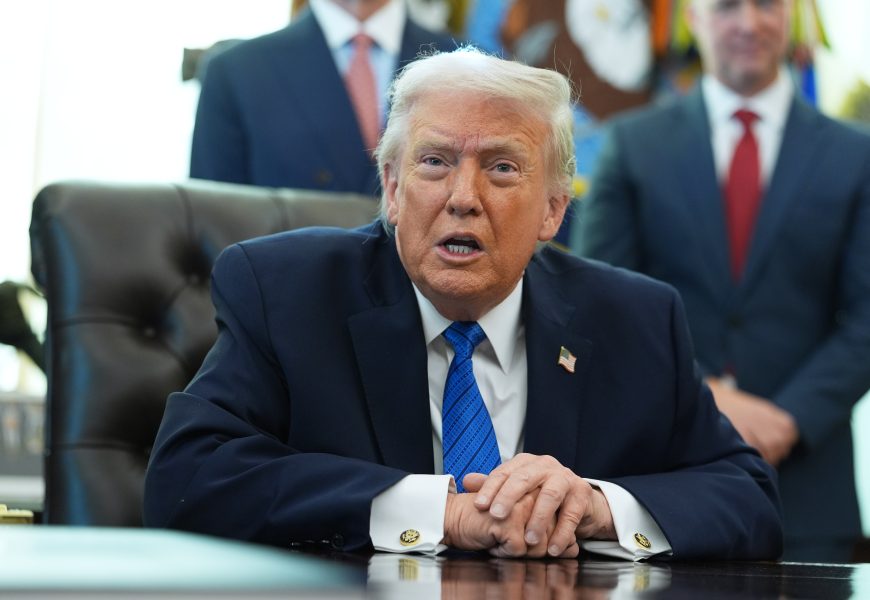
President Donald Trump on Monday announced he plans to reduce import tariff on India, six months after imposing steep taxes to punish New Delhi for its unabated purchase of Russian oil that he claimed helped fuel Moscow's war machine against Ukraine.
In a social media post, Trump said Modi has agreed to stop purchasing Russian oil, though the Indian government remained tight-lipped if this was the case.
Trump said he would bring down the tariffs from 25% to 18% in return for India agreeing to stop Russian crude purchases. New Delhi will also start to reduce its import taxes on U.S. goods to zero and buy $500 billion worth of American products, Trump said.
"This will help END THE WAR in Ukraine, which is taking place right now, with thousands of people dying each and every week!" Trump wrote in a Truth Social post Monday.
Modi posted on X that he was "delighted" by the announced tariff reduction and that Trump's "leadership is vital for global peace, stability, and prosperity." There has been no word beyond this from the Indian side on the scale and scope of the trade deal.
Trump didn't categorically mention if he will remove the additional 25% tariff on India for purchase of Russian crude, but a spokesman at the U.S. Embassy in New Delhi late Monday confirmed that "the final tariff will be 18%."
This effectively means that the penal tariff will be dropped, in a respite for Indian exporters who had been facing the heat due to a combined steep tariff as high as 50%.
India emerged as the second-largest buyer of discounted Urals, upsetting Washington. India has previously stated that its energy purchases were guided by market conditions and needs of 1.4 billion people but never made it clear if it will reduce or stop Russian purchases.
Opposition political parties are demanding Modi come clear on the trade deal as it will impact sensitive sectors such as agriculture. They disrupted the proceedings at the lower house, which was adjourned for the day.
While the U.S. has been seeking greater market access and zero tariff on almost all its exports, India has in the past opposed throwing open sectors such as agriculture and dairy, which employ a bulk of the country's population.
U.S. Secretary of Agriculture Brooker Rollings on X thanked Trump for taking care of American farmers, saying the deal will help export more American farm products to India's massive market, lifting prices and pumping cash into rural America.
In 2024, U.S. agriculture trade deficit with India was $1.3 billion.
Indian Trade Minister Piyush Goyal said Tuesday that sensitive sectors such as agriculture and dairy have been protected in the deal.
"India has got the best deal in comparison to the countries in the neighborhood. Going forward the relationship between India and the U.S. will strengthen further," Goyal said. "I can assure 1.4 billion people of India that this is a deal that will protect the interests of every Indian and the sensitive sectors."
A senior official at India's Finance Ministry, Arvind Shrivastava, said Tuesday that the trade deal will "further expand and deepen trade between two of the largest economies of the world."
He said it will create more opportunities for India's labor-intensive and manufacturing sectors in the U.S. market and give impetus to mutually beneficial collaboration in high and advanced technology sectors.
An Indian trade analyst, Ajay Srivastava, cautioned India shouldn't rush to celebrate Trump's trade announcement.
What products are covered, what the timelines are and whether India has agreed to zero tariffs and zero nontariff barriers, especially in sensitive areas like agriculture, needs to be clarified, he added.
Reaching $500 billion worth of imports of American goods would require at least two decades as the present imports are just about $50 billion, Srivastava said.
More Top Stories