°C
°C
 3
Min
3
Min
KYIV, Ukraine (AP) – On the edge of the Ukrainian capital, Kyiv, volunteers ladle hot soup into plastic containers as residents wrapped in heavy coats queue for a meal they cannot cook at home. Yuliia Dolotova, a mother of two, is among them, waiting with her 18-month-old son, Bohdanchyk, bundled in layers against the biting cold.
Families suffer as Ukrainian engineers can no longer keep up with repairing infrastructure
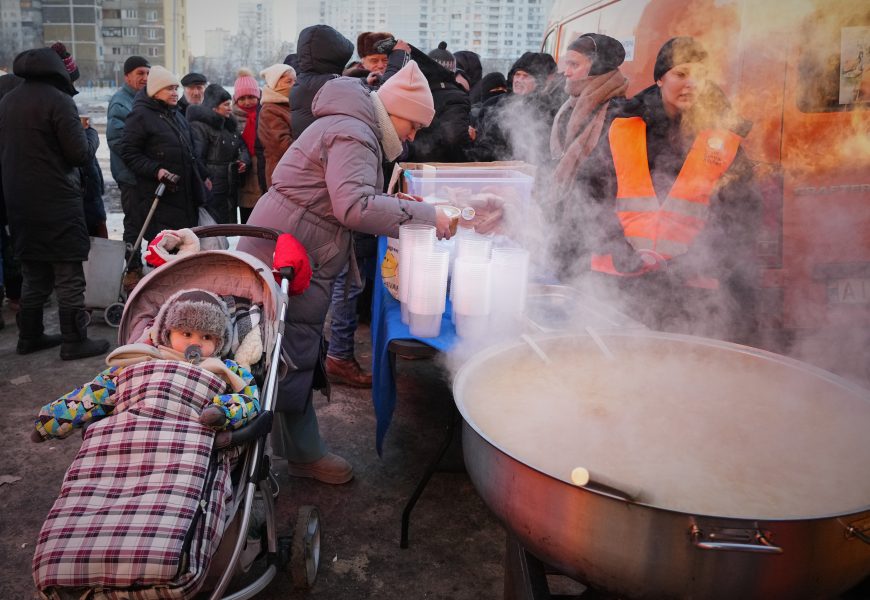
KYIV, Ukraine (AP) - On the edge of the Ukrainian capital, Kyiv, volunteers ladle hot soup into plastic containers as residents wrapped in heavy coats queue for a meal they cannot cook at home. Yuliia Dolotova, a mother of two, is among them, waiting with her 18-month-old son, Bohdanchyk, bundled in layers against the biting cold.
Life, she says, has been reduced to the most basic essentials: warmth, light and food.
"All day long, there's no electricity, no way to cook food for the kids. Pretty much everyone is in this situation," Dolotova, 37, said.
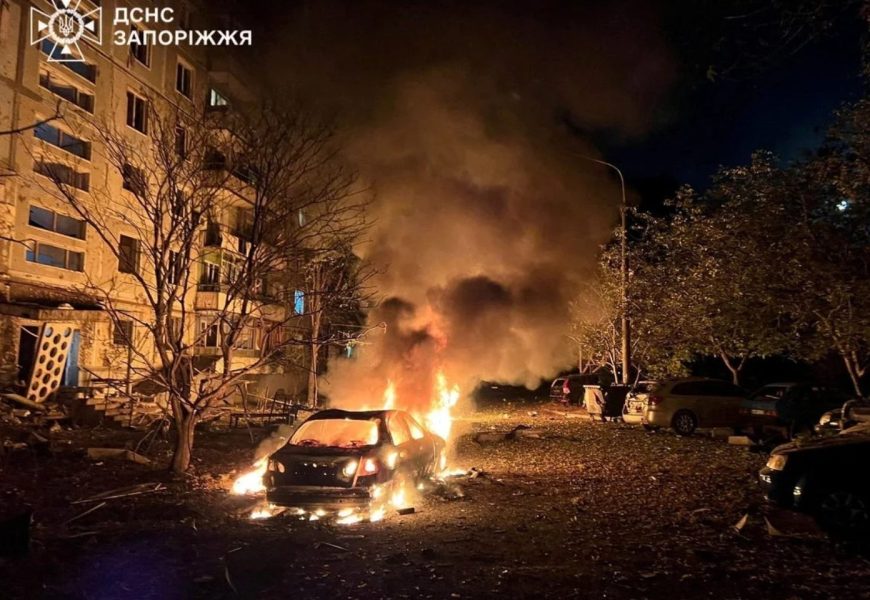
She lives in Troieshchyna, one of Kyiv's hardest-hit districts, battered by repeated Russian attacks since the full-scale Russian invasion four years ago. Russian strikes using drones and missiles have left hundreds of thousands of people without heat or electricity as temperatures plunge as low as minus 30 degrees Celsius (minus 22 Fahrenheit). The harsh winter is expected to continue in the coming weeks.
Without heat, water pipes in the district have also frozen and burst, adding to the strain on daily life.
Damage to the grid and power stations is at its worst since the war began. As soon as utility and energy crews restore heating to some buildings and power engineers finally manage to set outage schedules so people know when electricity will be cut, Russia launches another strike - and the same work has to be done all over again.
The hardship is compounded by the long absence of Dolotova's husband, who is fighting in the east and has seen his youngest son only twice since birth. She looks after her two sons - Bohdanchyk and 11-year-old Daniil - and the family dog, who rarely gets out for a walk.
At night her building, a Soviet-era tower block, goes completely dark. Her toddler son has learned to grip her cellphone, flashlight on, as she manhandles his stroller up six flights of stairs to their apartment. The stairs have already broken two strollers.
Inside, she flicks on battery-powered lamps one by one. Before bedtime, the two brothers huddle together for warmth, playing in silence near the frost-lined windows by flashlight. At bedtime, Dolotova insulates the bed with foam rubber to try to keep them warm.
Dolotova's husband is serving in the Zaporizhzhia area - one of the war's most volatile sectors.
"He should be coming soon. I live from leave to leave," Dolotova said. "I wait for him - that's what keeps me going. You tell yourself, just a little longer, and he'll come. You count the days."
More Top Stories