°C
°C
 5
Min
5
Min
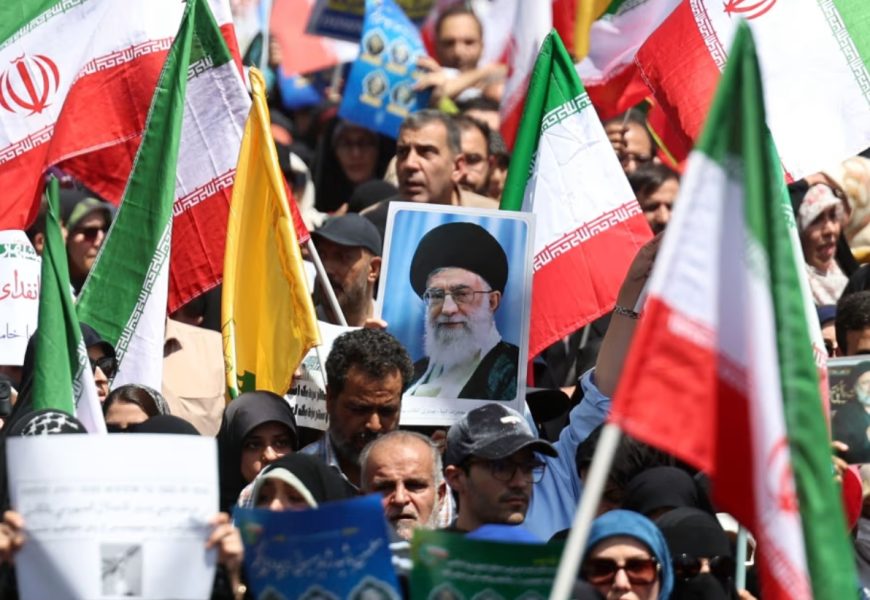
ZANJAN, Iran (AP) – A black banner hangs over the border crossing and portraits of Iran’s slain Supreme Leader Ayatollah Ali Khamenei stare down, promising vengeance against the United States and Israel.
A 12-hour drive through Iran offers glimpses of destruction, defiance and daily life
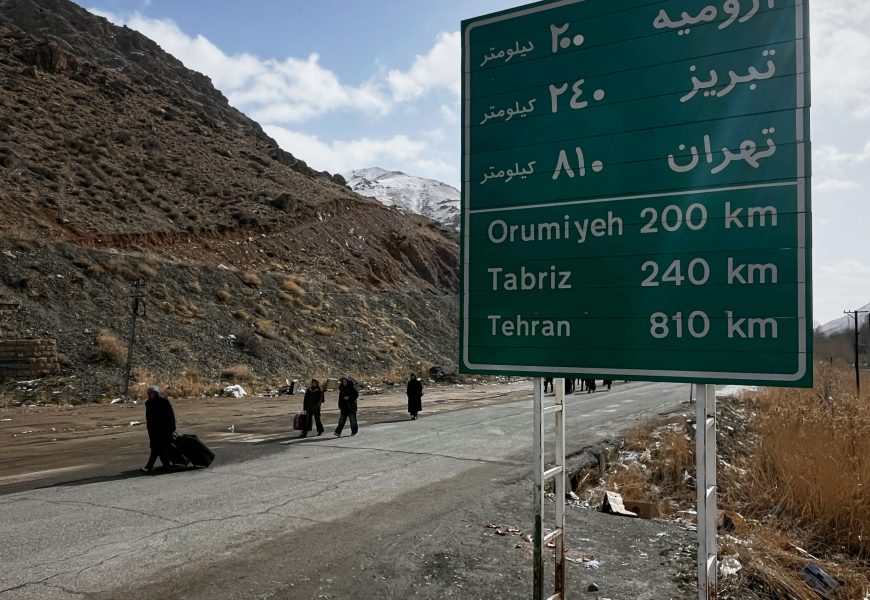
ZANJAN, Iran (AP) - A black banner hangs over the border crossing and portraits of Iran's slain Supreme Leader Ayatollah Ali Khamenei stare down, promising vengeance against the United States and Israel.
But on the 12-hour drive south to the capital, Tehran, daily life continued, with only occasional signs of the ongoing war, including a Shiite religious center that officials say was damaged by a recent airstrike.
Associated Press reporters made the journey on Saturday after crossing into Iran from Turkey. They gained a glimpse of the country at the center of a regional war that has jolted the world economy and shows no sign of ending five weeks after Khamenei was killed in the opening U.S. and Israeli salvo.
The Associated Press has been granted permission by the Iranian government to send an additional team into the country for a brief reporting trip. AP already operates in Iran. The visiting team must be accompanied by a media assistant from a government-affiliated company. AP retains full editorial control of its content.
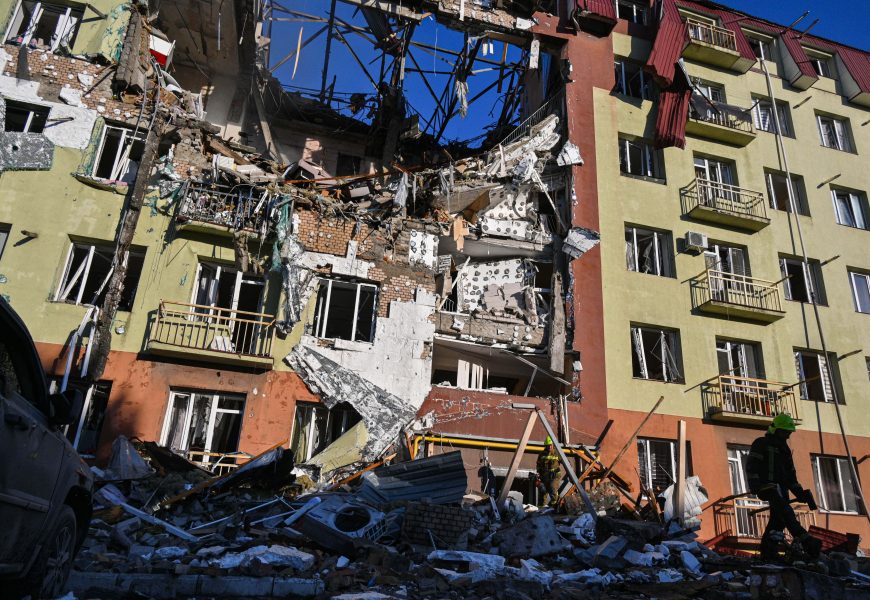
The first major sign of the war's destruction came in the northwestern city of Zanjan, about six hours' drive from the border.
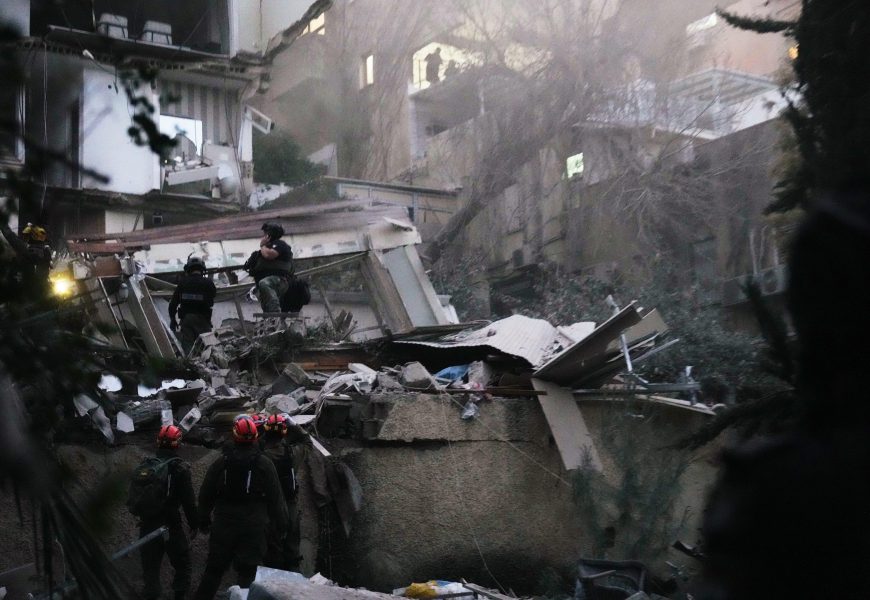
Iranian officials say an airstrike hit a religious community center, known as a husseiniyah, killing two people and destroying a clinic and a library. Other parts of the compound, some of which is centuries old, suffered damage, including its golden dome.
When asked about the strike, the Israeli military said it had hit "a military headquarters," and that it tries to avoid harming civilian facilities, without elaborating.
"It has hurt me a lot and distressed me a lot," said Somayeh Shojaei, a local resident who has attended religious and cultural events at the center. "With these airstrikes, (the U.S. and Israel) are showing their malicious intent to the whole world," she said.
The strike killed the library's caretaker and a volunteer with the Iranian Red Crescent first responders, according to Jaafar Mohammadi, the provincial director of cultural and Islamic guidance.
He said poor people had received free treatment at the clinic and students had made use of the library that housed more than 35,000 books, including antique manuscripts.
He said he did not know why the complex was targeted.
"Iran wanted to negotiate for peace with (U.S. President Donald) Trump, but Trump responded with war," Mohammadi said. "He started the war, but we will definitely be the victorious side."
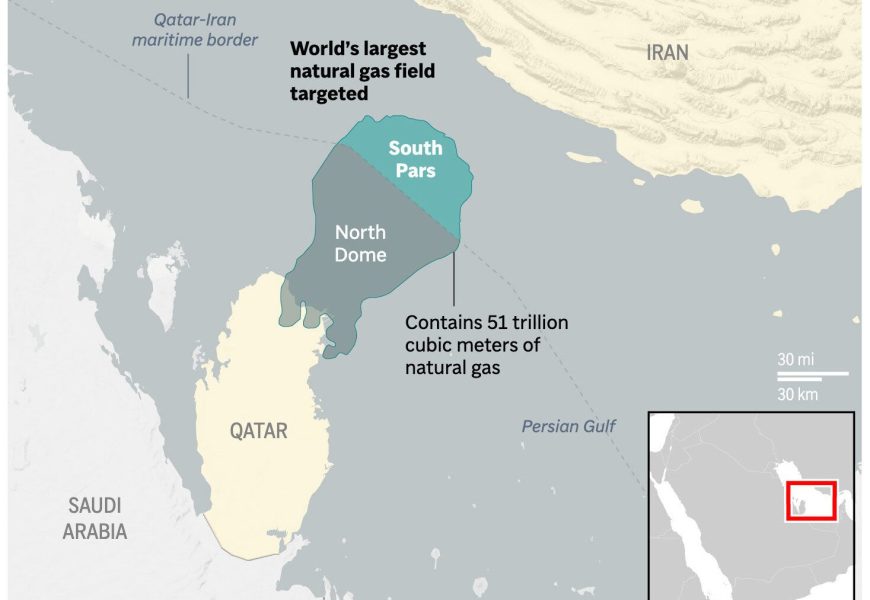
The U.S. and Israel have carried out thousands of strikes across the country, and Trump has threatened to bomb Iran " back to the Stone Ages, where they belong." Over the weekend, he reiterated a Monday deadline for Iran to reopen the Strait of Hormuz, a vital waterway for oil and gas.
Iran's surviving leaders have remained defiant and in control, rejecting what they say are unreasonable U.S. peace proposals. Israel has given no indication it plans to let up on its strikes, and has called on Iranians to overthrow their leaders.
Even as the war generates global turmoil - and fear and anxiety within Iran - daily life goes on.
In city after city on the road to Tehran, AP reporters saw normal traffic, businesses open and people walking the streets. A restaurant served Iranian delicacies like grilled lamb and rice, barley soup and saffron drinks as R.E.M.'s "Losing my religion" played on loudspeakers.
Many women could be seen going about their day without wearing the theocracy's mandatory head covering, the enforcement of which has eased in recent years.
The team passed through two checkpoints on the approach to Tehran without being stopped.
The city was eerily quiet after midnight. There had been heavy airstrikes on the mountains overlooking the capital the previous night.
Tehran is on the front lines, having seen wave after wave of strikes that the U.S. and Israel say are aimed at the military and internal security forces. Authorities in Iran say over 1,900 people have been killed. It's unclear how many were soldiers or civilians.
The AP reporters saw several government buildings and police stations that had been destroyed. They passed a number of checkpoints operated by plainclothes Basij, an internal security force, and uniformed members of the paramilitary Revolutionary Guard.
They were stopped once and asked to open the car and show press cards before being waved onward.
Fuel is heavily subsidized, such that a gallon (4 liters) of gasoline costs around 15 U.S. cents. But people are only allowed to purchase around 5 gallons (20 liters) at a time. There were no signs of gas lines.
Back in Zanjan, Mohamoud Maasoumi, a retired soldier, said the conflict with the U.S. - "the world's arrogance" - goes back to a 1953 CIA-backed coup that is seared into the minds of many Iranians. He expressed hope that Iran's leaders would defend the country.
"The enemy sees that we are not ever succumbing," he said.
More Top Stories