Here are some things to know about the Nobel Prizes:
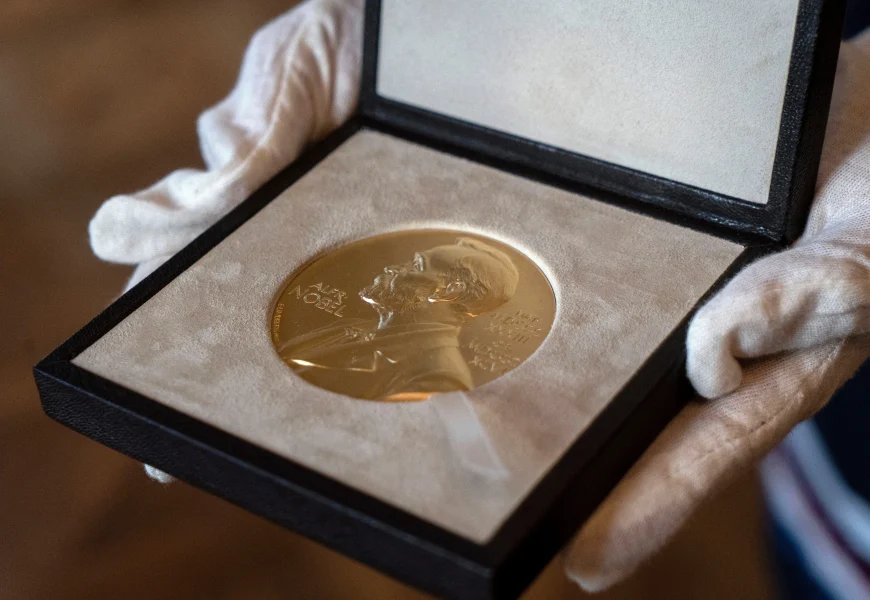
The Nobel Prizes were created by Alfred Nobel, a 19th-century businessman and chemist from Sweden. He held more than 300 patents, but his claim to fame before the prizes was having invented dynamite by mixing nitroglycerine with a compound that made the explosive more stable.
Dynamite - which became popular in construction, mining and the weapons industry - made Nobel a very rich man. Toward the end of his life he decided to use his vast fortune to fund annual prizes "to those who, during the preceding year, have conferred the greatest benefit to humankind."
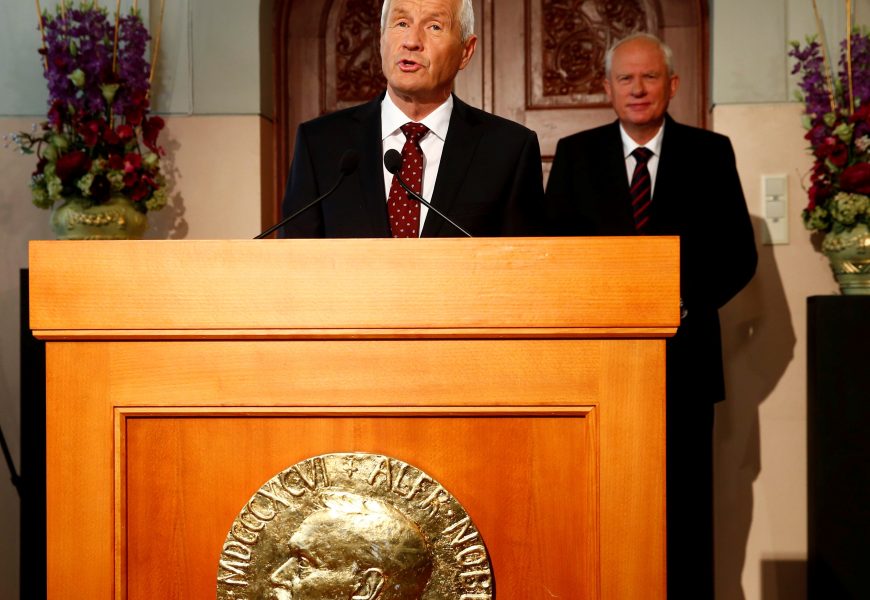
The first Nobel Prizes - in medicine, physics, chemistry, literature and peace - were presented in 1901, five years after his death. In 1968, a sixth prize was created, for economics, by Sweden's central bank. Though Nobel purists stress that the economics prize is technically not a Nobel, it's always presented together with the others.
None of the nominations are announced by the prizes' respective committees, and the Nobel statutes prohibit the judges from discussing their deliberations for 50 years. But those doing the nominating may choose to make their recommendations public.


 °C
°C
 3
Min
3
Min