°C
°C
 4
Min
4
Min
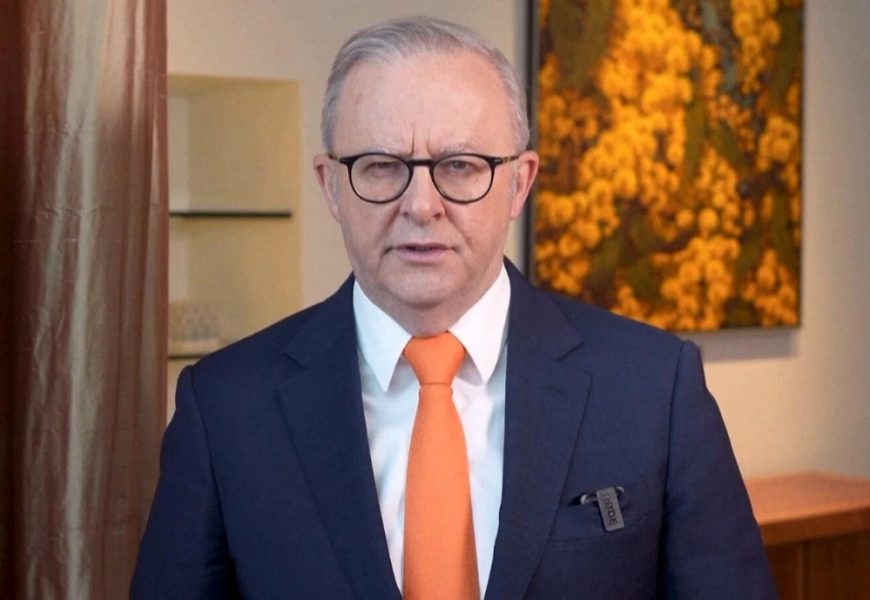
Treasurer Jim Chalmers has suggested that public criticism of government spending by former Reserve Bank governor Philip Lowe may be influenced by personal disappointment over his failure to secure a second term at the helm of the central bank. The comments came after Mr Lowe argued that government "handouts" were contributing to inflationary pressures.
Treasurer Hits Back at Ex-RBA Governor Over 'Handouts' Critique
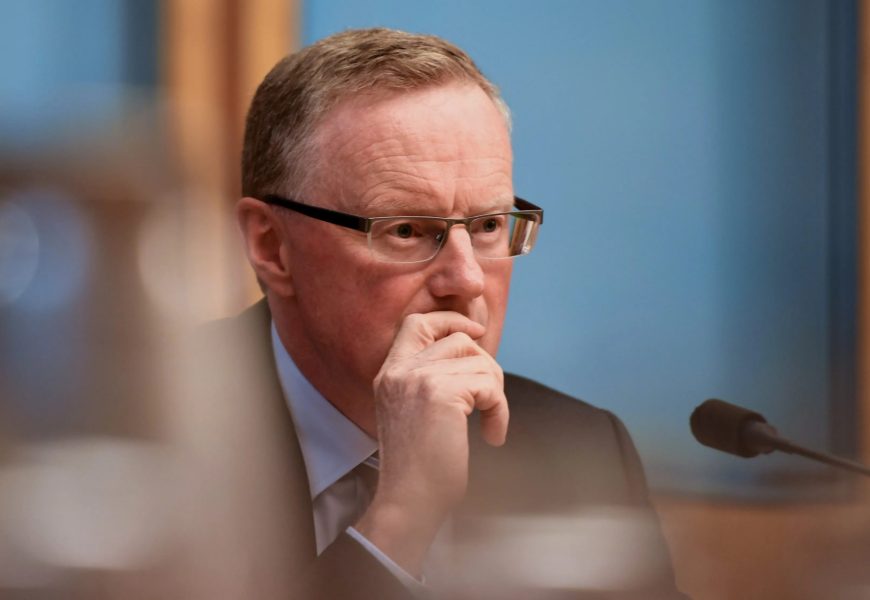
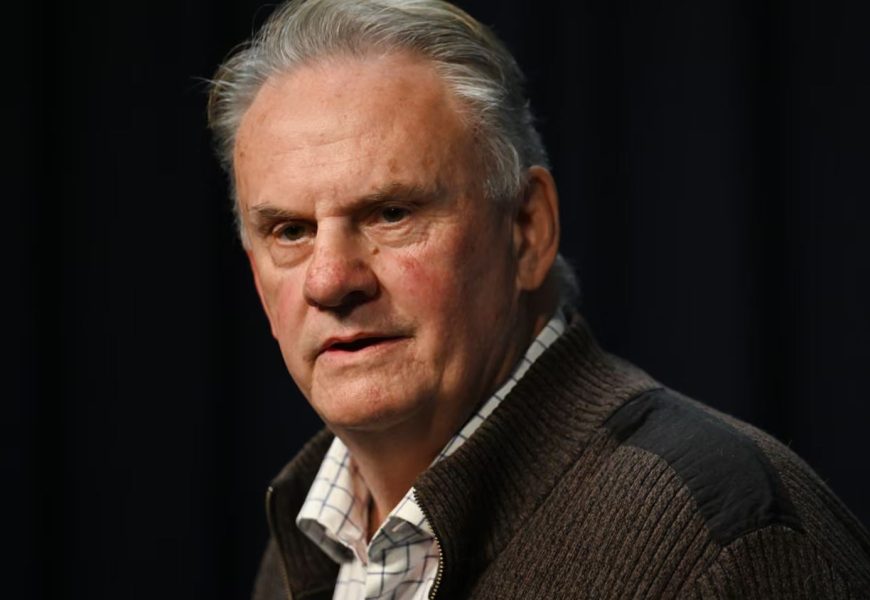
Treasurer Jim Chalmers has suggested that public criticism of government spending by former Reserve Bank governor Philip Lowe may be influenced by personal disappointment over his failure to secure a second term at the helm of the central bank.
The comments came after Mr Lowe argued that government "handouts" were contributing to inflationary pressures and forcing interest rates higher - a critique that drew sharp responses from both the Treasurer and Prime Minister Anthony Albanese.
Speaking to reporters, Mr Chalmers said he retained "respect" for the former governor but questioned the motivation behind his remarks, noting that Mr Lowe's criticism had intensified since his term as Reserve Bank governor ended in 2023.
"Phil Lowe would have liked to have been reappointed by the government," Mr Chalmers said. "After he wasn't reappointed, he's become a fairly persistent critic of the Labor government. I think to some extent that's just human nature. I understand that."
The Treasurer's remarks represent a rare and pointed response from a serving government figure toward a former head of the independent central bank, which traditionally sits above partisan political debate.
Mr Lowe's comments, first reported by the Australian Financial Review, were made in his current role as chair of an advisory body to the Australian Securities Exchange. In those remarks, he argued that the federal government needed to be more ambitious in lifting the economy's productive capacity, warning that without meaningful productivity reforms, continued fiscal support for households would place further upward pressure on interest rates.
"If the government wants to keep offering people handouts," Mr Lowe said, "then interest rates will have to go up."
Prime Minister Anthony Albanese dismissed the comments more bluntly, suggesting they were of little consequence. In a quip to journalists, he questioned which "Phil Lowe" was being referred to, jokingly invoking the name of a former rugby league player before saying he had not seen the remarks.
Mr Chalmers later expanded on his response, taking a veiled swipe at Mr Lowe's record as governor of the Reserve Bank of Australia. He said that, "out of respect," he had refrained from publicly criticising decisions made during Mr Lowe's tenure, including the central bank's pandemic-era "forward guidance."
That guidance - in which the Reserve Bank signalled interest rates were unlikely to rise until at least 2024 - was later proven wrong as rates climbed sharply, a misstep that became a focal point of an independent review into the bank's governance and communication.
The Treasurer rejected the suggestion that government spending was the primary driver of persistent inflation, pointing to data showing private demand had grown more strongly than public demand over the past year. While acknowledging the ongoing challenge of lifting productivity, Mr Chalmers said the government was pursuing a "big, bold, broad and ambitious" productivity agenda.
"We know there's more work to do - plainly - on productivity," he said. "But we've been rolling out reforms designed to strengthen the economy's capacity over time."
His comments followed the release of new wage price index data from the Australian Bureau of Statistics, which showed wage growth lagged inflation in the final quarter of 2025. The figures also indicated that public sector wages rose slightly faster than those in the private sector.
The opposition seized on the data and Mr Lowe's comments to intensify its attack on the government's economic management. Shadow Treasurer Tim Wilson accused Labor of "pump-priming" the economy and driving inflation higher.
"The treasurer is engaging in a form of demand denial about his responsibility for inflation exceeding wages," Mr Wilson said, arguing that government policy was placing continued pressure on household budgets.
The exchange underscores the growing political tension around inflation, interest rates and fiscal policy, as Australians continue to grapple with cost-of-living pressures and the economic legacy of the post-pandemic period.
More Top Stories