°C
°C 11
Min
11
Min
AMBLER, Alaska (AP) – Ice blocks drift past Tristen Pattee’s boat as he scans the banks of Northwest Alaska’s Kobuk River for caribou. His great uncle Ernest steadies a rifle on his lap. It’s the last day of September, and by every measure of history and memory, thousands should have crossed by now. But the tundra is empty, save for the mountains looming on the horizon – the Gates of the Arctic National Park.
Climate change is straining Alaska’s Arctic. A new mining road may push the region past the brink
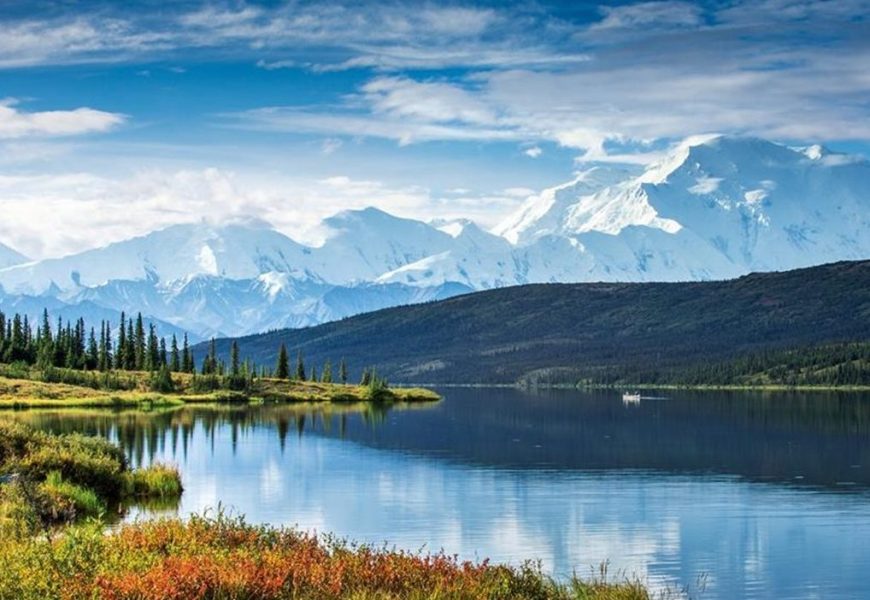
AMBLER, Alaska (AP) – Ice blocks drift past Tristen Pattee’s boat as he scans the banks of Northwest Alaska’s Kobuk River for caribou. His great uncle Ernest steadies a rifle on his lap. It’s the last day of September, and by every measure of history and memory, thousands should have crossed by now. But the tundra is empty, save for the mountains looming on the horizon – the Gates of the Arctic National Park.
Days after Pattee’s unsuccessful hunt, the Trump administration approved construction of the Ambler Access Road – a 211-mile (340-kilometer) route designed to reach massive copper deposits that would cut through that wilderness, crossing 11 major rivers and thousands of streams where salmon spawn and caribou migrate. The approval, which is facing lawsuits though proponents believe construction could start next year, came as record rainfall in Northwest Alaska flooded villages and ripped through fish spawning habitat – the latest climate-driven blow to Indigenous communities already watching caribou and salmon numbers plummet.
As the co-owner of a wilderness guiding company in Ambler, Pattee’s livelihood depends on keeping this landscape intact. An Inupiaq hunter, his ability to feed his family and continue the subsistence traditions of his ancestors depends on healthy caribou and fish populations.
Yet he supports building the road.