°C
°C
 3
Min
3
Min
KAMPALA, Uganda (AP) – The U.N. Human Rights Office said Friday that a presidential election in Uganda next week would be “marked by widespread repression and intimidation” against the opposition and others.
UN rights office cites ‘widespread repression’ in Uganda before next week’s presidential election


KAMPALA, Uganda (AP) - The U.N. Human Rights Office said Friday that a presidential election in Uganda next week would be "marked by widespread repression and intimidation" against the opposition and others.
Ugandan authorities in the East African country have used lawfare, including military legislation, to restrict the activities of politicians and others before voting on Jan. 15, the Geneva-based Office of the U.N. High Commissioner for Human Rights, or OHCHR, said in a new report.
"Next week's elections in Uganda will take place in an environment marked by widespread repression and intimidation against the political opposition, human rights defenders, journalists and those with dissenting views," OHCHR said.
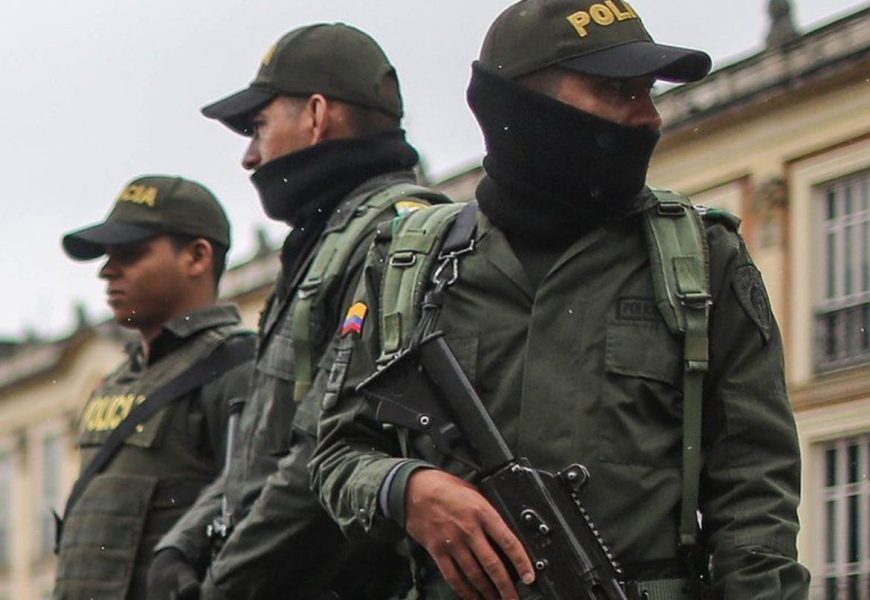
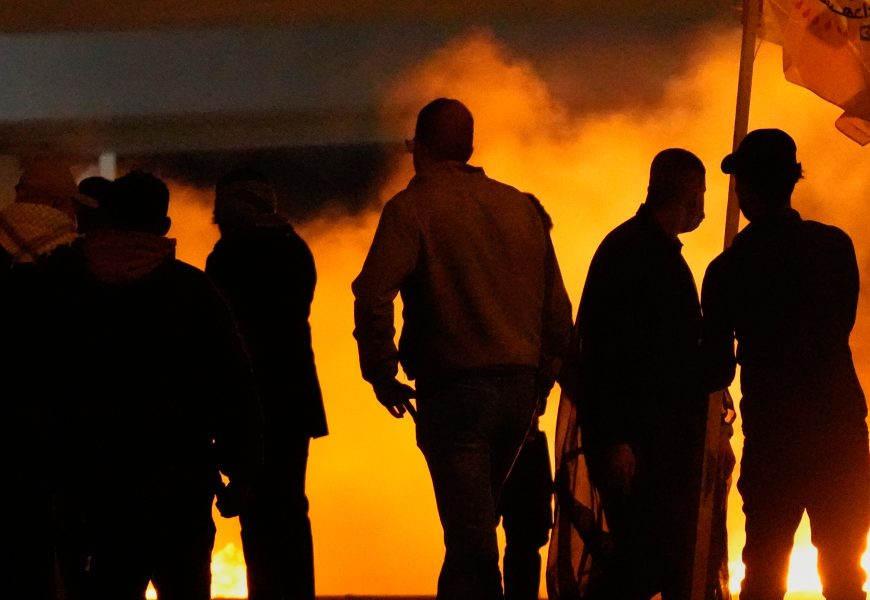
Ugandan police, the military and others have used live ammunition to disperse peaceful assemblies, and the security forces have often used unmarked vans known locally as "drones" to abduct opposition party supporters, the report said.
"The Ugandan authorities must ensure all Ugandans can participate fully and safely in the election, as is their right under international law," Volker Türk, the U.N. high commissioner for human rights, said in a statement. "They must, among others, ensure that no unnecessary or disproportionate force, including lethal force, is used to disperse peaceful protests."
Police spokesman Kituuma Rusoke didn't immediately respond to a request for comment on allegations in the U.N. report.
The report also cites the ongoing detention of opposition figure Kizza Besigye, who is accused of treason, and Sarah Bireete, a prominent civic leader who is accused of obtaining unlawful access to the national voters' registry. Both are detained in a maximum security prison in Kampala, the Ugandan capital.
Bireete runs the Center for Constitutional Governance, a nongovernmental organization in Kampala.
Before she was arrested on Dec. 30, Bireete had been a frequent guest on local television stations and was active on X. She had also spoken to The Associated Press before she was arrested, saying in the interview that Museveni's Uganda was "a military dictatorship" pretending to be a democracy.
A magistrate remanded Bireete to jail until Jan. 21, a decision that drew condemnation from some civic leaders as politically motivated, because it silenced Bireete's work as a public commentator before voting.
Bireete's arrest "is a demonstration of the Uganda government's continuing intolerance of dissent," Human Rights Watch said in a recent dispatch.
Critics say the criminal charges against her were provoked by her work as a public commentator who is often critical of the government of President Yoweri Museveni, who seeks a seventh term.
Museveni's main opponent is the musician-turned-politician known as Bobi Wine, whose real name is Kyagulanyi Ssentamu. Wine told the AP in a recent interview that he and his supporters have repeatedly been victimized by the military, which he accuses of dominating preparations for the election.
The authoritarian Museveni first took power by force as the leader of a guerrilla force fighting for democratic rule after a period of political instability and the cruel dictatorship of Idi Amin. Museveni has kept power since 1986 by repeatedly rewriting the rules. Term and age limits have been scrapped, rivals jailed or sidelined, and state security forces are a constant presence at opposition rallies.
Museveni, 81, is the third-longest-serving leader in Africa. He has since fallen out with many of the comrades who fought alongside him, including some who say he betrayed the democratic ideals of their bush war struggle.
Uganda hasn't witnessed a peaceful transfer of presidential power since independence from British colonial rule six decades ago.
More Top Stories