°C
°C
 4
Min
4
Min
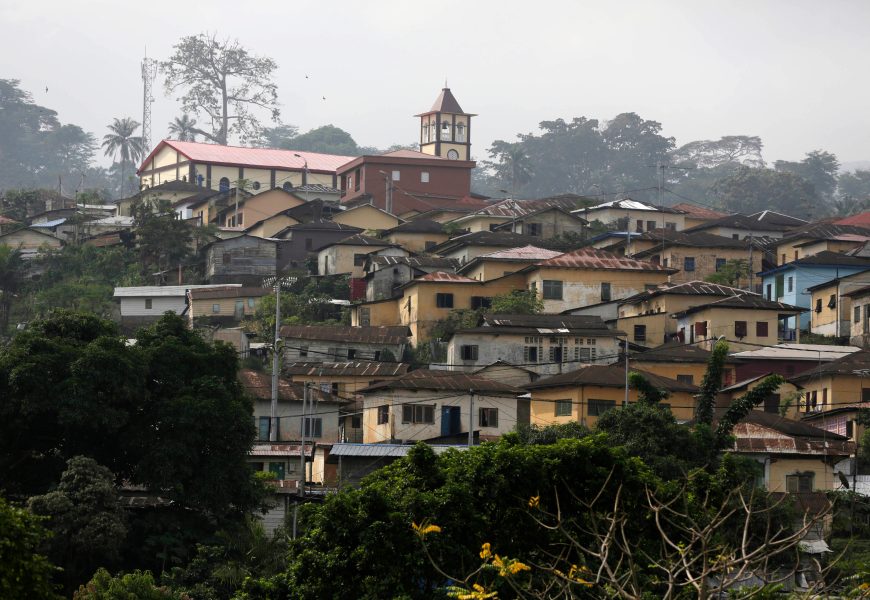
AL BASOUTA, Syria (AP) – Abdul Rahman Omar fled his village in the Afrin district in northern Syria eight years ago as a Turkish offensive against Kurdish fighters swept across the area. Now he is among hundreds of Kurds who have recently returned to Afrin. He joined neighbors in celebrating the spring festival of Nowruz for the first time since their return.
Syrian Kurds return home to celebrate Nowruz for the first time since exile

AL BASOUTA, Syria (AP) - Abdul Rahman Omar fled his village in the Afrin district in northern Syria eight years ago as a Turkish offensive against Kurdish fighters swept across the area.
Now he is among hundreds of Kurds who have recently returned to Afrin. He joined neighbors in celebrating the spring festival of Nowruz for the first time since their return from exile, and for the first time after the government declared the celebration a national holiday.
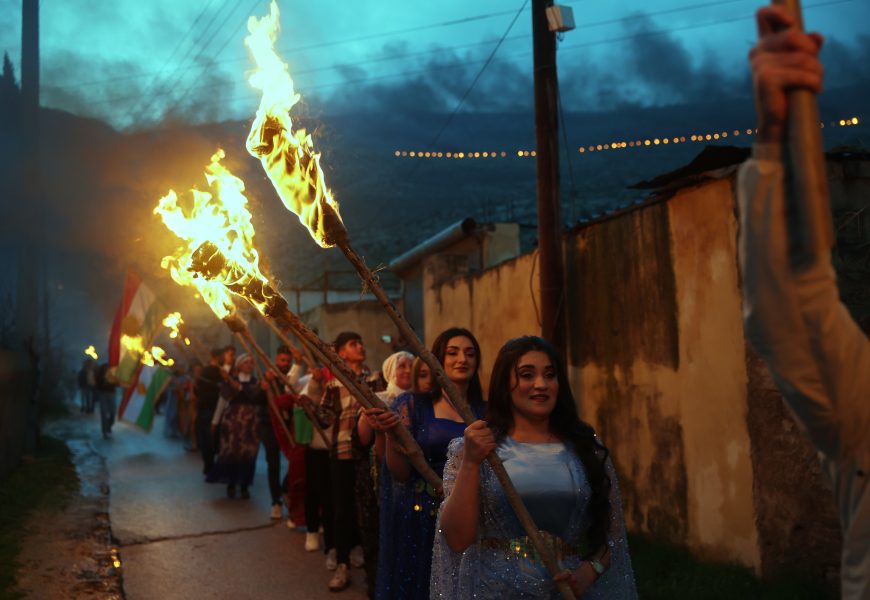
Nowruz, the Farsi-language word for "new year," is an ancient Persian festival that is also celebrated by Kurds in Syria, Turkey and Iraq as well as Iran. It is characterized by colorful street festivals and torch-bearing processions winding their way into the mountains. The 3,000-year-old festival is rooted in the ancient religion of Zoroastrianism and is marked by people across faiths including Zoroastrians, Muslims, Christians, Jews and those of the Baha'i faith as well by millions in the diaspora.
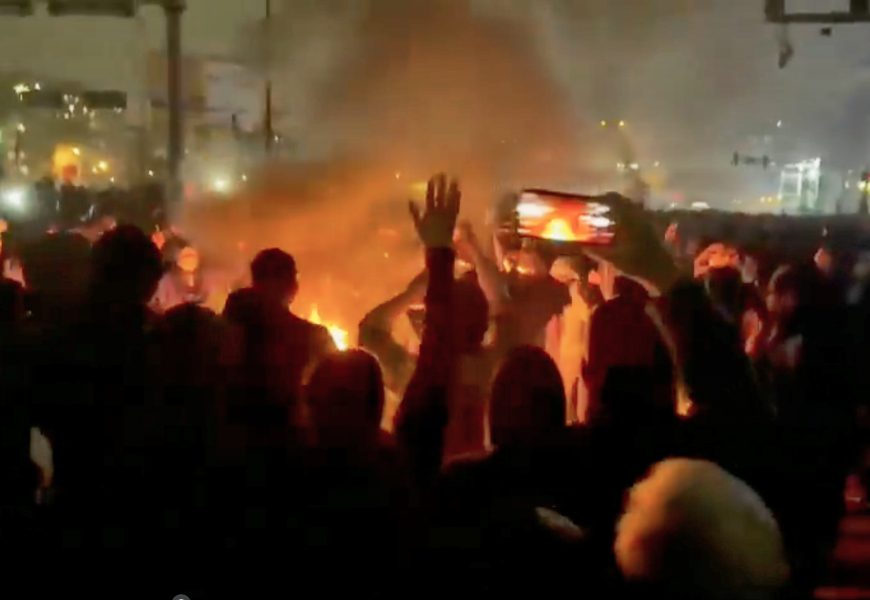
Omar joined a row of young men and women in a line dance to a pounding beat Friday evening and then processed up into the hills above the village of al-Basouta hoisting torches and Kurdish flags, where they spelled out the word "raperin," meaning "uprising" in Kurdish, with flames.
Afrin was seized by Turkish forces and allied Syrian opposition fighters in 2018, following a Turkey-backed military operation that pushed fighters with the Kurdish-led Syrian Democratic Forces and thousands of Kurdish civilians from the area.
Turkey considers the SDF to be a terrorist organization because of its ties to the Kurdistan Workers' Party, or PKK, a separatist group that staged a decades-long insurgency in Turkey. A peace process is now underway.
Kurds who remained in Afrin complained of discrimination and human rights violations. Many who left were afraid or unable to return, because Arab Syrians displaced from other areas by the country's civil war had taken up residence in their homes.
Omar spent his years in exile in the Sheikh Maqsoud neighborhood of Aleppo city. The neighborhood became a flash point in January in fighting between government forces and the SDF, which had built up a de facto autonomous region in northeast Syria during the civil war that began in 2011.
The battle in Aleppo, followed by a government offensive that seized much of the territory formerly held by the SDF, resulted in an agreement to merge the Kurdish-led forces into the national army and bring key institutions in northeast Syria back under the control of the central government.
The government also agreed to facilitate the return of displaced Kurds to Afrin, including a convoy of 400 families who left the SDF-controlled Hassakeh province earlier this month.
For Omar, homecoming was bittersweet.
"When a person is away from his home for eight years, of course he misses and longs for it," he said. But the home he came back to was not the one he remembered. Many of his old friends and neighbors who left Syria have not returned.
"There's a feeling of emptiness, but at the same time, you've returned to your own house, you've seen the atmosphere of your own village and your memories come back," he said.
Angelia Hajima, a young Kurdish woman who joined the group processing into the hills, credited Masoud Barzani, head of the Kurdistan Democratic Party - the dominant Kurdish party in neighboring Iraq - with brokering the SDF-Damascus deal that led to the return of the displaced.
"I hope that everyone can go back to their homeland now," she said.
During ceasefire negotiations with the SDF in January, interim Syrian President Ahmad al-Sharaa issued a decree strengthening Kurdish rights. The move was seen as an attempt to appeal to the country's Kurdish minority, many of whom are wary of his government.
The decree made Kurdish an official language along with Arabic, and adopted Nowruz as a national holiday. It also restored the citizenship of tens of thousands of Kurds in northeastern Hassakeh province after they were stripped of it during the 1962 census.
Under the 50-year rule of the Assad dynasty in Syria, which ended with the ouster of former President Bashar Assad in December 2024, Kurds were marginalized and public celebrations of Nowruz were banned.
Omar recalled that Kurds used to light Nowruz torches clandestinely and were sometimes pursued by security forces because of it.
"This is the first time I go to the mountain and light the flame and I'm not afraid," he said. "Of course it's a feeling of joy that I, as a Kurd, am celebrating my holiday and speaking in my own tongue without being afraid."