°C
°C
 2
Min
2
Min
SARAJEVO, Bosnia-Herzegovina (AP) – Flights were cancelled, children were told to stay indoors and outdoors construction work was banned in Sarajevo Thursday as a thick layer of fog enveloped the Bosnian capital.
Schools told to keep children inside as polluted fog envelops Bosnian capital
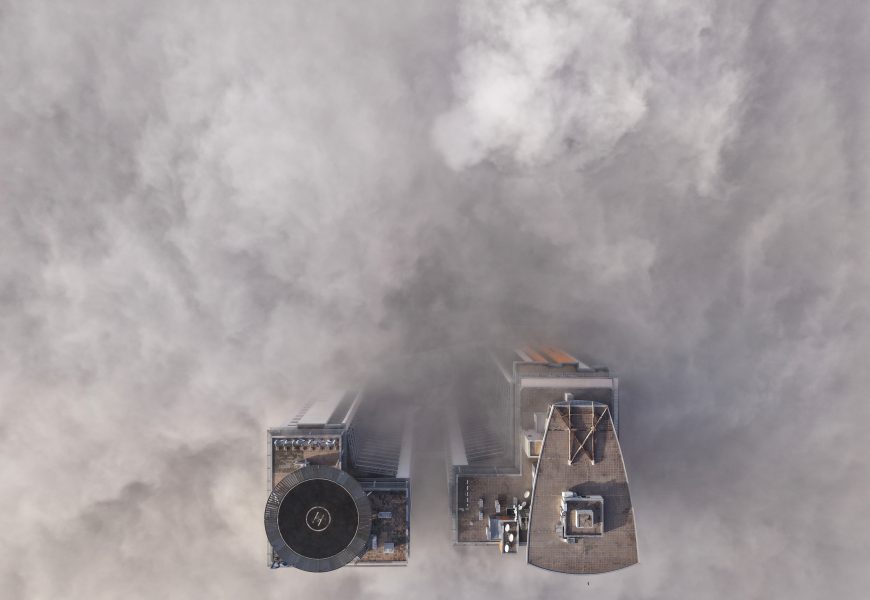

SARAJEVO, Bosnia-Herzegovina (AP) - Flights were cancelled, children were told to stay indoors and outdoors construction work was banned in Sarajevo Thursday as a thick layer of fog enveloped the Bosnian capital.
Sarajevo traditionally faces severe pollution during winter, mostly from house heating and transport pollution. The city is located in a valley surrounded by mountains which can keep polluted air stuck for days at a time if there is no wind.
Several flights from Sarajevo airport were cancelled, and cars moved slowly in low visibility during the morning rush hour. Some residents of Sarajevo could be seen wearing face masks for protection from toxic air.
The Swiss air quality technology company IQAir on Thursday ranked air quality in Sarajevo as "unhealthy." The city often tops the list of places with poor air quality globally.
Authorities on Wednesday banned trucks of over 3.5 tons in the Sarajevo city center along with cars and trucks that do not meet European Union environmental standards. Any construction work outside has been banned as well as public gatherings.
Experts have warned that exposure to PM2.5 - fine inhalable particles with a diameter of 2.5 micrometers or smaller - has led to a rise in respiratory infections as well as cancer, cardiovascular diseases and premature deaths in Sarajevo, other major cities in Bosnia and elsewhere in the Western Balkans.
Enis Krecinic, an expert for air pollution from the state meteorological institute, said the levels of toxic particles in Sarajevo are sometimes 10 times higher than they should be. He noted that it is unlikely that the situation will change any time soon.
"We need a systematic solution," he said, adding that some 40,000 households need time to "switch to alternative heating systems which are environmentally friendly."
Many Balkan countries have a poor record in environment protection despite promises to improve the situation as they seek to move closer to EU membership. Balkan rivers are often clogged with garbage and recycling is almost non-existent, while many cities have seen rampant construction diminishing green areas.
The air in Belgrade, the capital of neighboring Serbia, also was deemed "unhealthy for sensitive groups" on Thursday.
More Top Stories