°C
°C
 3
Min
3
Min
ISLAMABAD (AP) – Pakistan experienced its deadliest year in over a decade in 2025 as combat-related deaths surged 74%, with militants accounting for more than half the death toll, according to a new report released by an independent think tank. Islamabad often accuses Kabul of turning a blind eye to cross-border attacks by Pakistani militants.
Pakistan sees deadliest year in a decade, with combat deaths surging 74% in 2025, report says
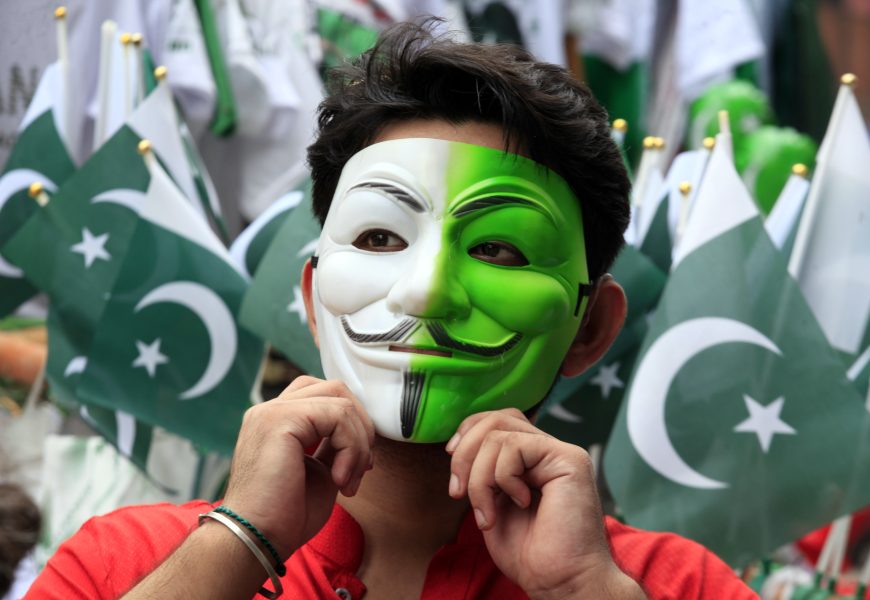

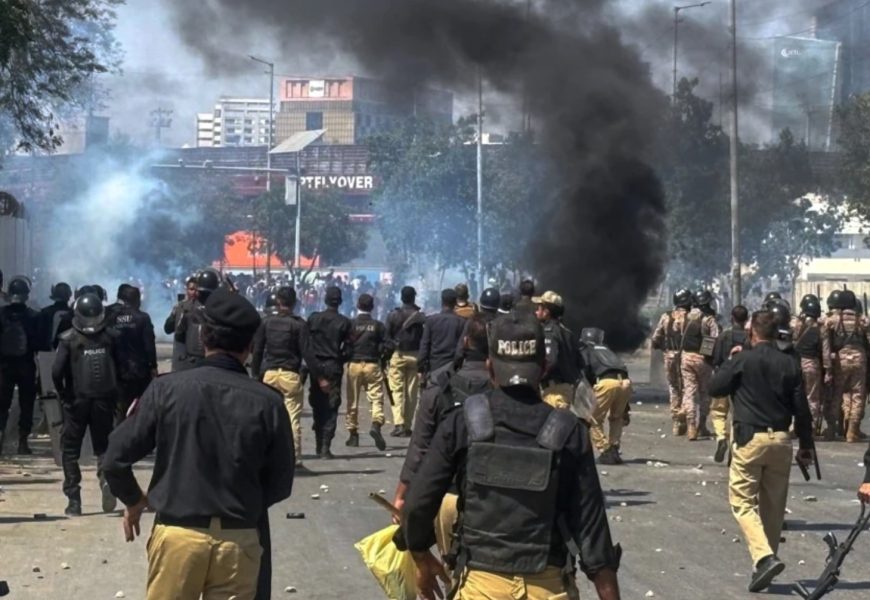
ISLAMABAD (AP) - Pakistan experienced its deadliest year in over a decade in 2025 as combat-related deaths surged 74%, with militants accounting for more than half the death toll, according to a new report released by an independent think tank.
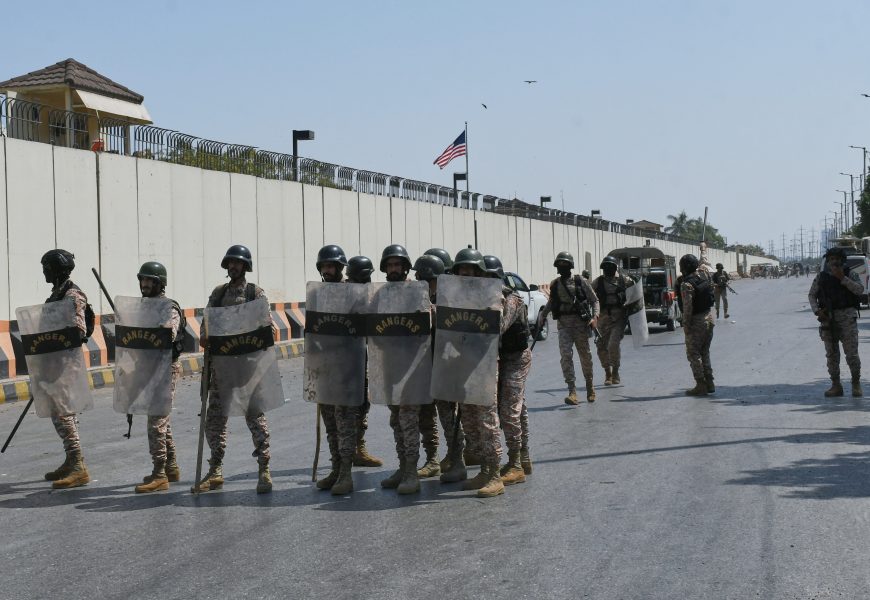
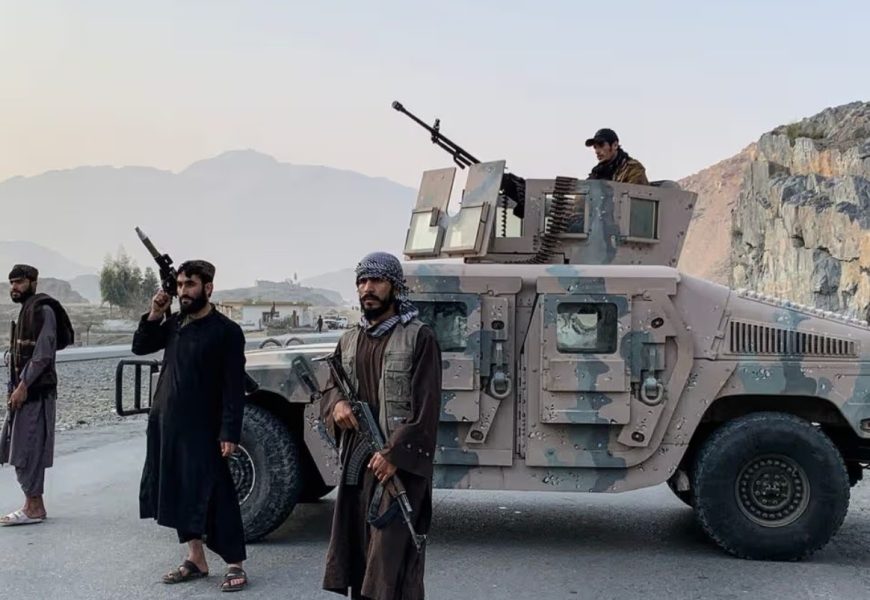
Islamabad often accuses Kabul of turning a blind eye to cross-border attacks by Pakistani militants, a claim Afghanistan's Taliban government denies. Tensions between the two neighbors have been high since October following border clashes that killed dozens and wounded hundreds.
The Pakistan Institute for Conflict and Security Studies, or PICSS, said violence in Pakistan left 3,413 people dead - up from 1,950 in 2024 - with 2,138 militants killed.
The 124% rise in militant death toll from 2024 reflects intensive counterterrorism operations against the Pakistani Taliban, also known as Tehrik-e-Taliban Pakistan or TTP, which is not part of Afghanistan's Taliban, the report said. The group has intensified attacks on Pakistan's security forces in recent years.
A roadside bomb killed a passerby on Thursday and wounded five others in Sibi, a district in Balochistan, according to a local police chief Ghulam Ali. No group claimed responsibility, but suspicion is likely to fall on separatists who have been blamed by government for previous such attacks.
Abdullah Khan, managing director of PICSS, said the high death toll was driven in part by a rise in suicide bombings and the militants' use of U.S. military equipment left behind during the American withdrawal from Afghanistan in 2021, which later reached the Pakistani Taliban, and other groups, increasing their operational capabilities.
The 2025 fatalities also included 667 security personnel, a 26% increase from the previous year, "the highest annual figure since 2011," Khan said.
He also said 580 civilian deaths were recorded, "the highest annual toll since 2015." In addition, 28 members of pro-government peace committees were reported dead
The Islamabad-based PICSS recorded at least 1,066 militant attacks in 2025 and suicide attacks rose 53%, with 26 incidents reported. It also said security forces arrested about 500 militants during intelligence-based operations last year, up from 272 in 2024, he said.
Khan said multiple militant groups, including the TTP, claimed most attacks in 2025.
PICSS released its report weeks after Pakistan's military spokesman, Lt. Gen. Ahmad Sharif Chaudhry, said security forces carried out 67,023 intelligence-based operations in 2025, killing 1,873 militants, who included 136 Afghan nationals.
The border violence between Pakistan and Afghanistan followed the Oct. 9 explosions in Kabul that the Afghan Taliban government blamed on Pakistan. A Qatar-mediated ceasefire has largely held since then, though the two sides failed to reach an agreement in November despite holding three rounds of talks in Istanbul.
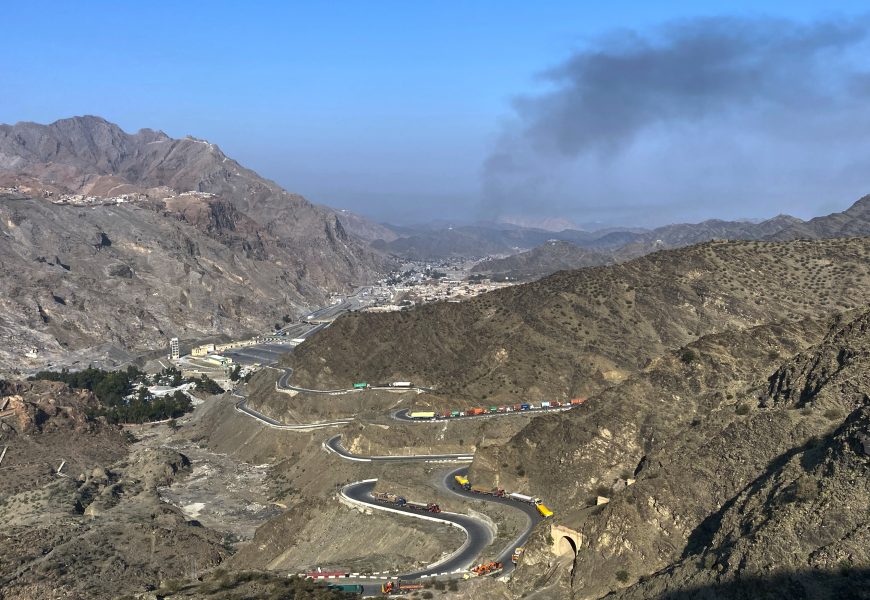
All border crossings between Pakistan and Afghanistan have remained closed since October, halting bilateral trade and the movement of people between the two countries.
On Thursday, Foreign Ministry spokesperson Tahir Andrabi said the reopening of border crossings is linked to written assurances from Kabul that it will not allow its soil to be used for attacks in Pakistan. He said Pakistan recently allowed the United Nations to deliver relief supplies to Afghanistan, but trucks carrying the aid were stranded on the Pakistani side because Afghanistan did not open the gates from their side.
"A country in need of humanitarian assistance is unwilling to receive it. This is unprecedented - a country facing a humanitarian crisis is blocking humanitarian supplies," Andrabi told a news conference.
There was no response from Kabul to this claim, however.
In December, Pakistan's newly appointed armed forces chief Field Marshal Asim Munir called on Afghanistan's Taliban government to choose between maintaining ties with Islamabad or supporting the Pakistani Taliban.
More Top Stories