°C
°C
 6
Min
6
Min
Mark Pavelich grappled with mental illness in the final years of his life, long after playing a big role in the “Miracle on Ice” in 1980. He was charged in 2019 with a felony for assaulting a neighbor he thought had spiked his beer, and experts diagnosed him with a mild neurocognitive disorder due to a traumatic brain injury that was likely related to repeated head injuries.
Mark Pavelich’s ‘Miracle on Ice’ teammates are keeping his memory alive 5 years after his death
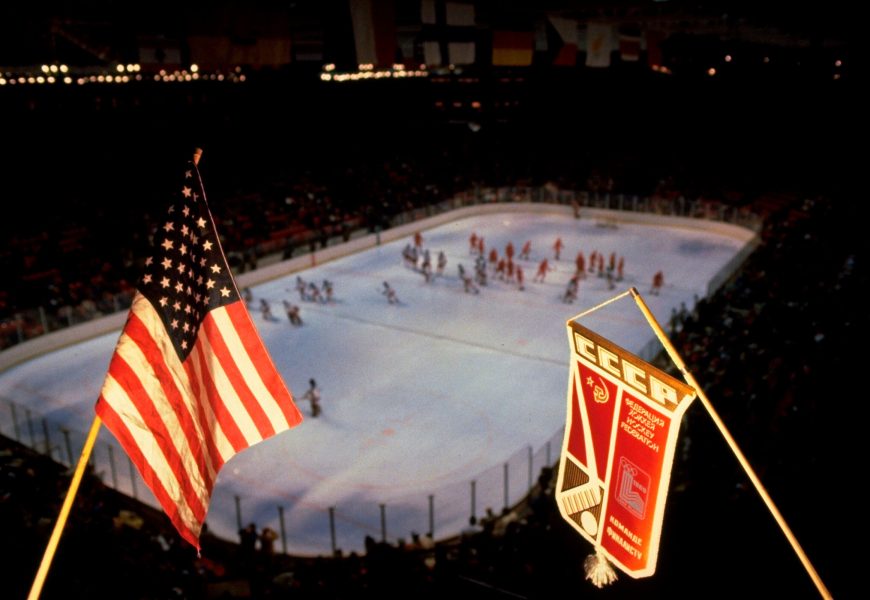

Mark Pavelich grappled with mental illness in the final years of his life, long after playing a big role in the "Miracle on Ice" in 1980. He was charged in 2019 with a felony for assaulting a neighbor he thought had spiked his beer, and experts diagnosed him with a mild neurocognitive disorder due to a traumatic brain injury that was likely related to repeated head injuries.
"I'm convinced it happened because of the number of hits he took, and also he had some real personal trauma in his life," lifelong friend Ronn Tomassoni said. "It all caught up to him at the end."
Going to the Eagle's Healing Nest in Sauk Centre, Minnesota, seemed to help. Sister Jean Pavelich Gevik felt she had her brother back. Neal Broten said he and other U.S. Olympic teammates didn't realize how much pain Pavelich was feeling.
"He sounded fine. Everything was great," 1980 U.S. captain Mike Eruzione recalled. "I thought he was very comfortable and in a great spot, in a great place. But when you have that kind of illness or sickness, you never know. And I don't think anybody knew."
Pavelich died by suicide on March 4, 2021, his death one of several linked to hits to the head from playing hockey, and his sister suggested CTE, or chronic traumatic encephalopathy, may have been a factor. Before taking his life, he wrote her a sizeable check to keep efforts going at The Ranch - Teammates for Life for athletes, veterans and first responders suffering from PTSD, substance abuse or mental distress associated with traumatic brain injury.
The Ranch had become a source of purpose for Pavelich, and the members of the country's last gold-medal winning men's hockey team have made it a point to raise money and awareness for it in his memory.
"He's part of our family," said Rob McClanahan, who also played with Pavelich in the NHL with the New York Rangers and roomed with him on the road. "It's really important to know that we all struggle. I don't want to get hugely philosophical, but life is hard and things like this bring it to the forefront."
On the ice, Pavelich was a skilled forward whose talent was clear from a young age growing up in Eveleth, Minnesota. He starred at Minnesota-Duluth and assisted on Eruzione's game-winning goal when the underdog Americans beat the heavily favored Soviet Union 46 years ago.
Off the ice, "Pav" was soft-spoken and not much of a talker. Broten remembers Pavelich plucking his guitar and singing Neil Young songs on bus rides.
"He was just a quiet, sweet person," Broten said. "He didn't stay very much in the locker room. He didn't say very much away from the locker room. Kept to himself. That's Mark Pavelich."
He also loved to hunt and fish, something Eruzione used as bait to get Pavelich to agree to a TV interview on the Rangers' broadcast. It only materialized after Pavelich was offered a $1,000 gift certificate to a fishing store.
"He looks at me, he says, 'How long is the interview going to take?'" Eruzione said. "We ended up doing it, but that's the only way I could get him to come on the air."
Pavelich when he was first arrested spent time in a mental institution. With help from former teammate Barry Beck, retired goaltender Clint Malarchuk - who has been public about his own mental struggles and suicide attempt - and founder Mel Butler, Pavelich got into the Eagle's Healing Nest for military veterans and their families.
"Mark and I have a lot of the same issues, problems, lifeline almost," Malarchuk said. "He died by suicide, and I almost died by suicide, so we can certainly relate to each other's issues."
When the veterans were asked if they'd accept Pavelich into their ranks despite not serving in the military, Tomassoni recalls them saying, "We think he and 19 other teammates served their country really well in 1980 when they lifted a whole country's spirits when that country's spirits needed to be lifted."
While Pavelich and Beck envisioned opening a mental wellness facility in a warm locale, but the Eagle's Healing Nest gifted them a building and land for free. Hundreds of thousands of dollars were raised and invested to fix it up and open The Ranch, which has now had roughly 40 people go through it.
Retired player Dan Carcillo, who has been open about his history of traumatic brain injuries and opened Experience Onward, a psilocybin treatment center in Oregon, got better only after saying the death of close friend and former hockey player Steve Montador saved his life. He believes success stories and tragedies like Pavelich's and Montador's are both needed.
"It forced me into action - because I saw what the alternative was, and it was dying," Carcillo said. "There's unfortunate situations where people don't make it out, and they're never able to see the light and they're ever able to get better."
Several 1980 alumni, Malarchuk and NHL Commissioner Gary Bettman and Deputy Commissioner Bill Daly were among those in attendance for the "Do You Still Believe in Miracles" Gala in New York in October that raised $1 million for The Ranch.
"It means a lot to do that, to get together for a great teammate of ours and somebody who had some things happen to him and that maybe didn't want to recognize them himself," Harrington said. "This is important for us, and it's important for mental health and everything else that we show that it means something to us."
Nearly five decades since the Olympics in Lake Placid made them national heroes, players from that team still cherish chances to get together. That includes honoring Pavelich.
"The team is still close," Broten said. "Mark was such a big part of our team: a super quiet guy, a peaceful guy. It's sad to talk about, but we still keep him in our hearts and move on with life, I guess."
Eruzione said he and Jack O'Callahan, who has gotten involved with rescue dogs, named one in training Pav.
"The dog Pav is going continue to help somebody," Eruzione said. "Even though Mark's not with us, he's still with us."
Knowing full well that her brother set up Bill Baker's tying goal with 27 seconds left against Sweden and Eruzione's against the Russians, Jean Pavelich Gevik believes The Ranch will be his lasting legacy.
"I don't want to downplay anything there," she said. "But I feel like this is his greatest assist."
More Top Stories