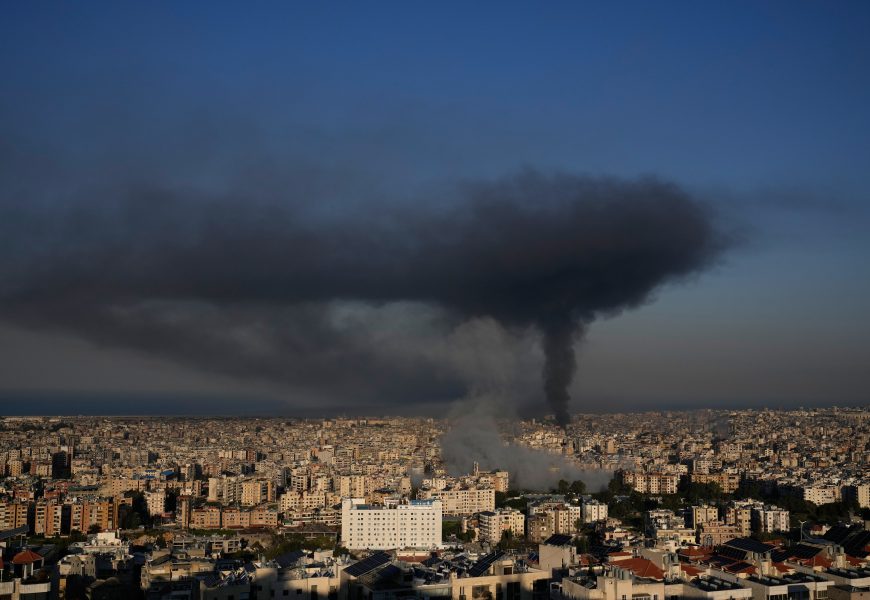
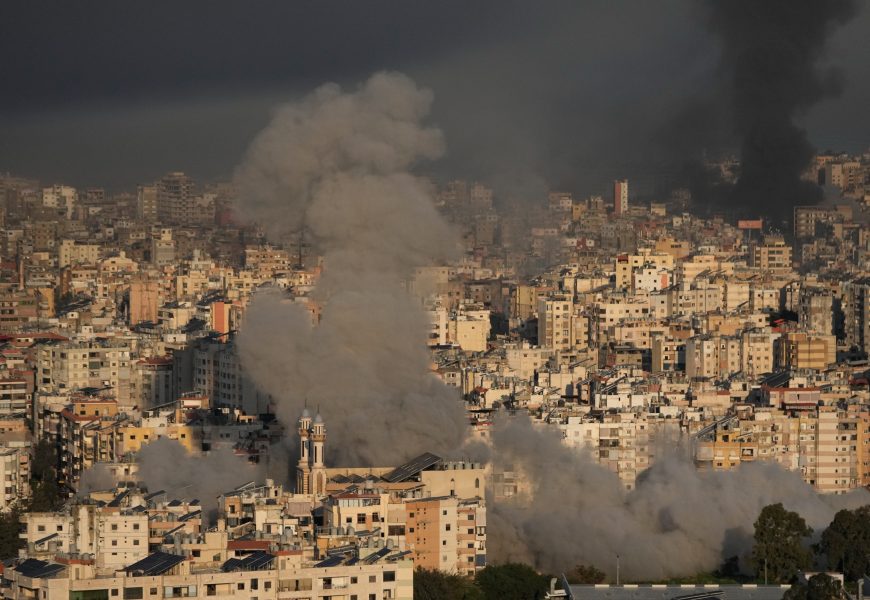
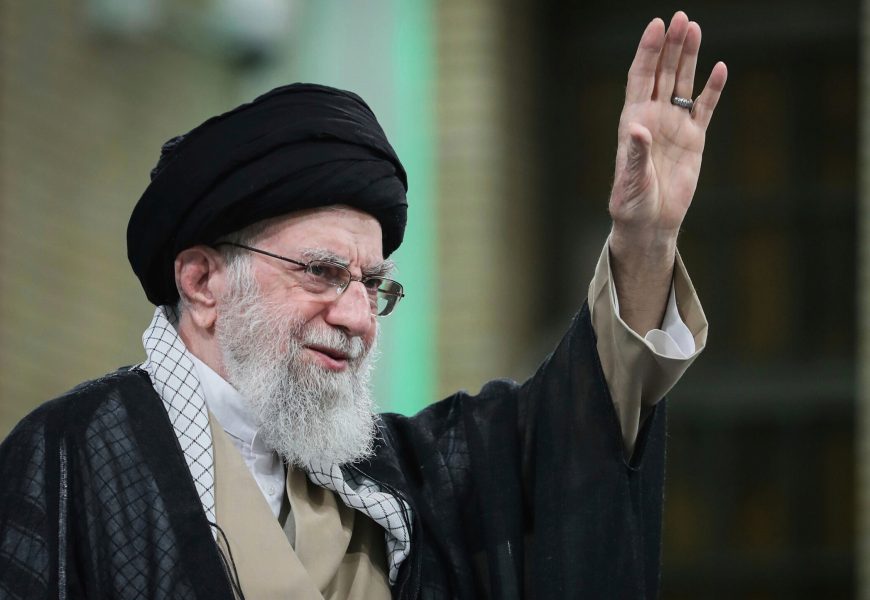
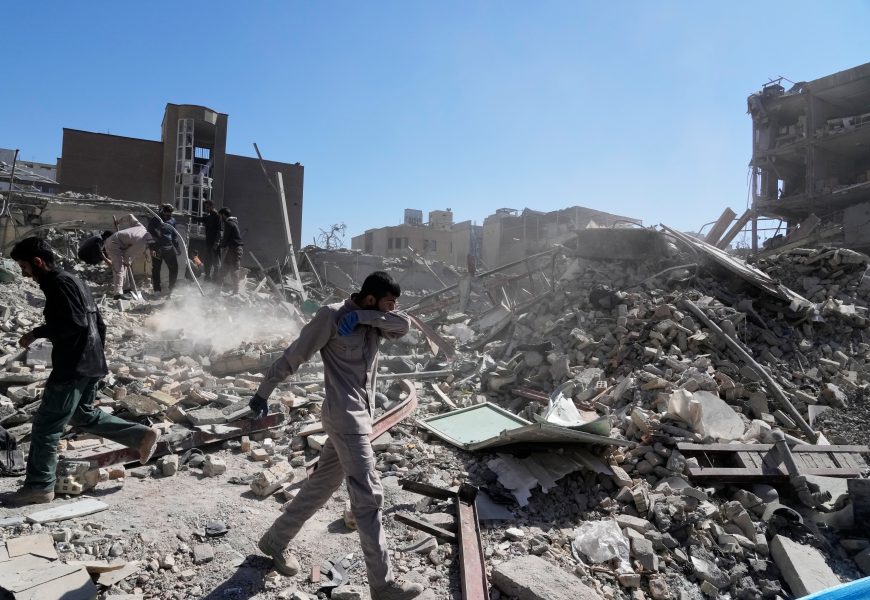
The war last year also highlighted Iran's diminished regional clout, especially after Israel took aim at Tehran's armed proxies during the war in Gaza: Hezbollah in Lebanon, Hamas in Gaza, Houthi rebels in Yemen and other armed groups in Syria and Iraq.
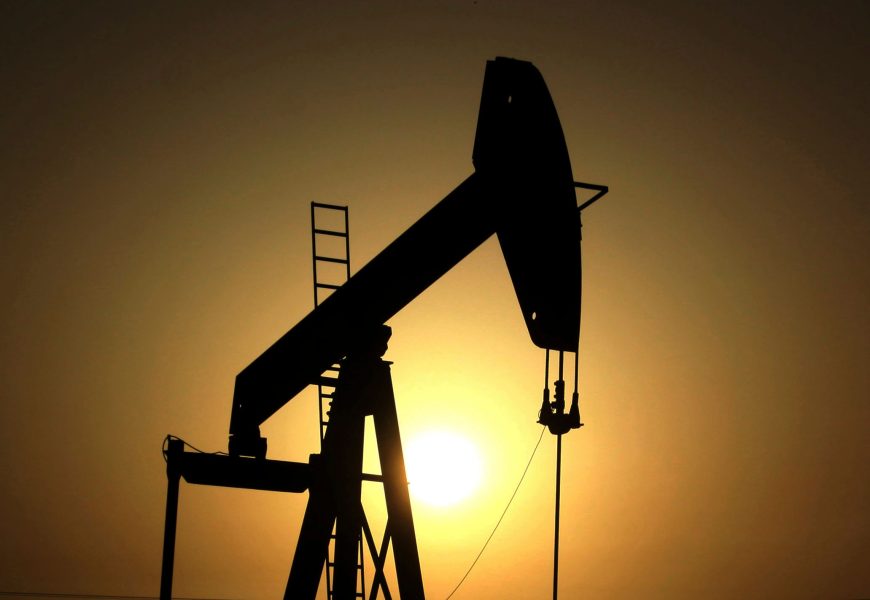
Globally, Iran remains isolated. One ally, Russia, is distracted by its war in Ukraine. China, a buyer of Iranian oil, on Monday expressed hope the Iranian government and people are "able to overcome the current difficulties and maintain national stability."
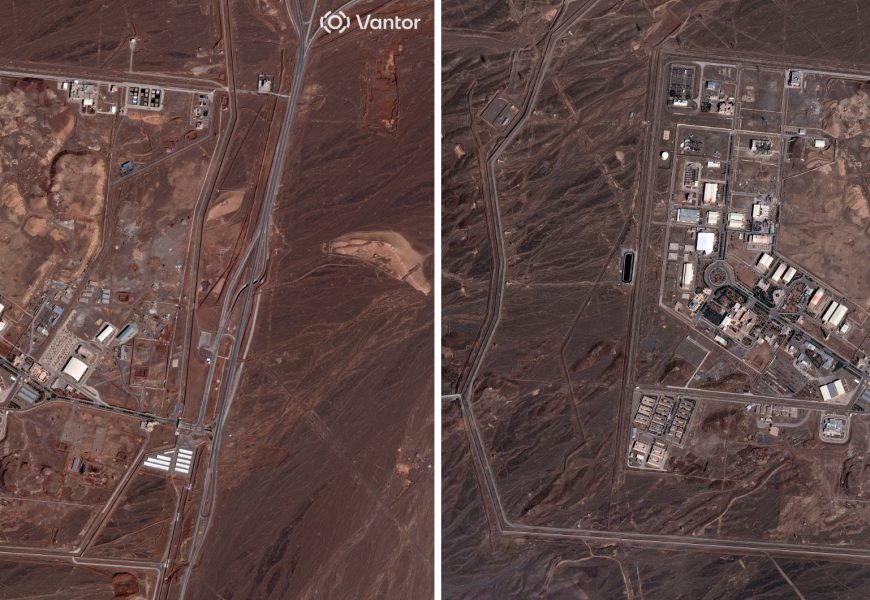
International concerns remain high over Iran's battered nuclear program, which Tehran has long insisted is for peaceful purposes even as Western powers worry about the highly enriched uranium that's necessary for creating a nuclear weapon.
After Iran's negotiations with the U.S. deadlocked, the United Nations in September reimposed sanctions that freeze Iranian assets abroad, halt arms deals, and penalize any development of Iran's ballistic missile program, among other measures.
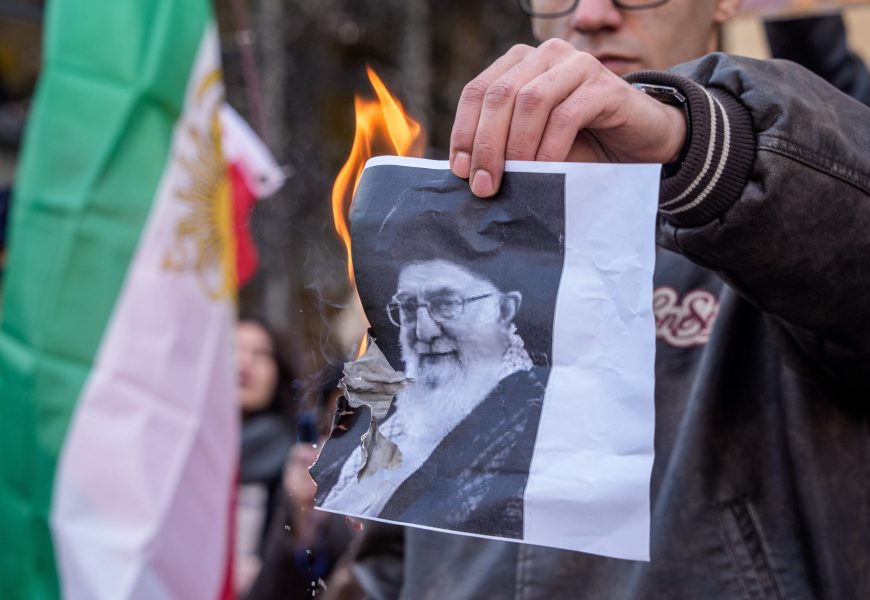
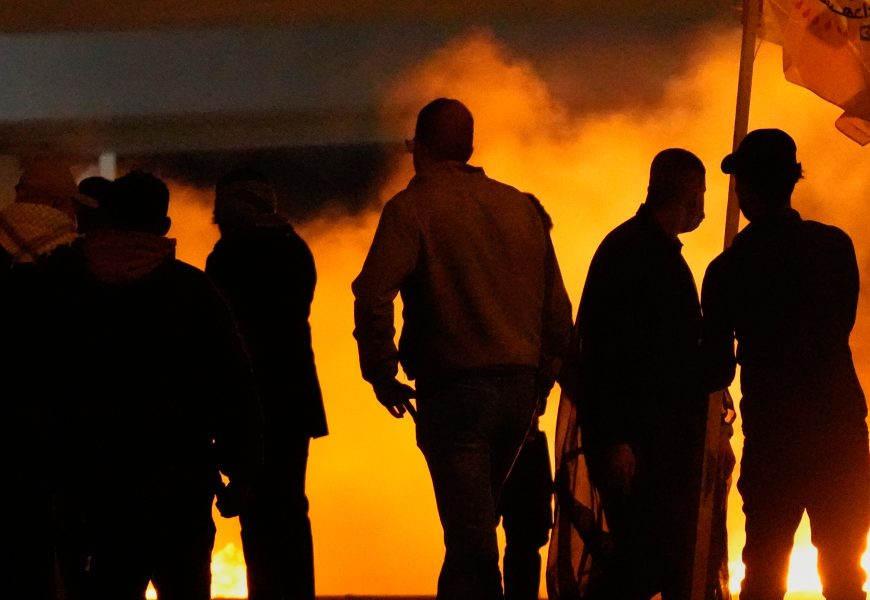
The sanctions were another blow for Iran's economy. In late December, Iranians already trying to stay afloat saw the currency, the rial, plunge to a record low of 1.42 million to the U.S. dollar. Prices of food and other necessities shot up, pushing traders and shopkeepers in major markets in Tehran to take to the streets.


 °C
°C
 5
Min
5
Min