°C
°C
 6
Min
6
Min
BANGKOK (AP) – The escalating war with Iran is pushing parts of the world into energy triage, forcing governments to choose where to cut demand or absorb costs, while prioritizing dwindling supplies. Asia is the most exposed since it relies heavily on imported fuel, much of it shipped through the now-blocked Strait of Hormuz.
Iran war pushes countries into energy triage as they conserve power and curb soaring prices
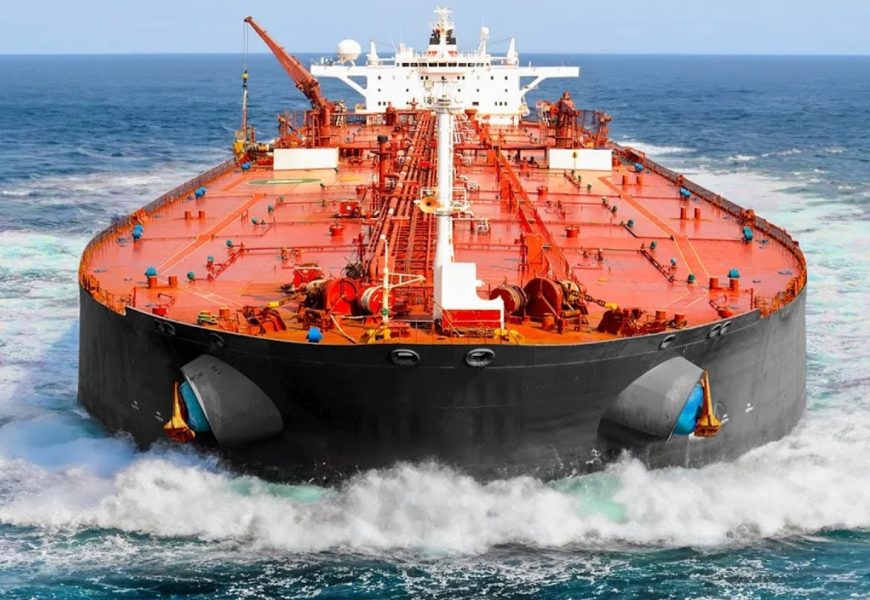

BANGKOK (AP) - The escalating war with Iran is pushing parts of the world into energy triage, forcing governments to choose where to cut demand or absorb costs, while prioritizing dwindling supplies.
Asia is the most exposed since it relies heavily on imported fuel, much of it shipped through the now-blocked Strait of Hormuz. The narrow passage offshore from Iran is the main route for shipping a fifth of global trade in crude oil and liquified natural gas.
Governments in the region are scrambling to adjust - tallying oil reserves, conserving energy, competing for supplies and trying to blunt prices. That brings difficult trade-offs: saving power may slow business activity. Prioritizing cooking gas for households can hurt restaurants and other businesses.
"Even relatively modest constraints on energy use can create a drag on industrial activity," said Linh Nguyen, with the consultancy Control Risks. She pointed to Vietnam's energy-intensive export industries and warned that higher fuel costs or conservation measures could quickly raise production costs or slow factory output.
Analysts warn the same hard choices could soon spread beyond Asia to fuel-importing economies in Africa and elsewhere as countries compete for scarce supplies.
"The situation is common across the board," said Putra Adhiguna of the Jakarta-based Energy Shift Institute. "There is no easy decision for the short term."
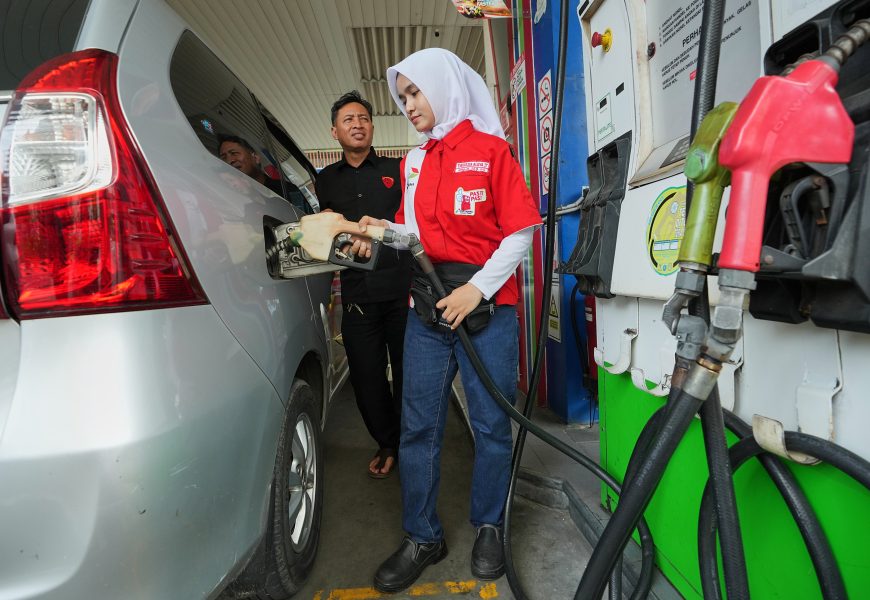
With oil prices surging despite releases of some reserves, Southeast Asia is stretching dwindling energy reserves by urging households, businesses and government agencies to slash power use.
In the Philippines, officials have switched to a four-day workweek to cut back on fuel consumption and reduce the government's energy use by a fifth. Offices have been told to switch off computers during lunch breaks and keep air conditioning no lower than 24°C (75°F). Vietnam has urged people to work from home. While in Thailand, the prime minister has even asked officials to take the stairs instead of elevators.
But this comes at a cost.
Dieu Linh, a vegetable seller in Hanoi, said even a 10% rise in fuel costs will eat into her thin margins. "If my costs go up by even a little, the profit is almost gone," she said.
At the same time, countries in the region are competing for limited supplies at higher costs.
Vietnam has asked refineries and fuel distributors to keep fuel supplies high, while Thailand is stretching its roughly two-month oil reserve and seeking other domestic energy sources. Both are using price supports to shield households from rising costs.
Thailand halted exports to protect its limited reserves, contributing to shortages that have closed nearly a third of Cambodia's roughly 6,000 gas stations.
More than 80% of the liquefied natural gas, or LNG, that passed the Strait of Hormuz in 2024 went to Asia, according to the U.S. Energy Information Administration, and much of it to Japan, South Korea and Taiwan.
Japan's first line of defense is its vast strategic oil stockpile, amounting to around 254 days' worth of supplies. This system was set up after the shocks from the 1970s Arab oil crisis.
Japan began releasing about 45 days' worth of oil reserves this week to prevent fuel prices from surging as crude oil imports slow. It last released reserves after Russia's invasion of Ukraine in 2022.
This will help keep Japan's energy-intensive industries running, from automobiles to steel manufacturing and heavy machinery. Companies like Toyota, Mitsubishi and Nippon Steel depend on steady fuel supplies.
South Korea plans to release 22.46 million barrels from its reserves under the International Energy Agency 's largest-ever coordinated stock draw.
But analysts said that tapping reserves isn't a longterm solution.
It will give refineries "some buffer" against disruptions. But this does not increase a country's overall supply unless it can buy oil released by other nations, said Muyu Xu of the energy consultancy Kpler.
If the crisis drags on, crude oil shortages could return. The releases may keep refineries running for another few weeks, but companies may need to slow production if disruptions continue, she added.
"The fundamental difficulties will not be solved by this action," said Mika Ohbayashi of the Renewable Energy Institute in Japan, adding that renewable energy was a long-term solution but the Japanese government was uninterested.
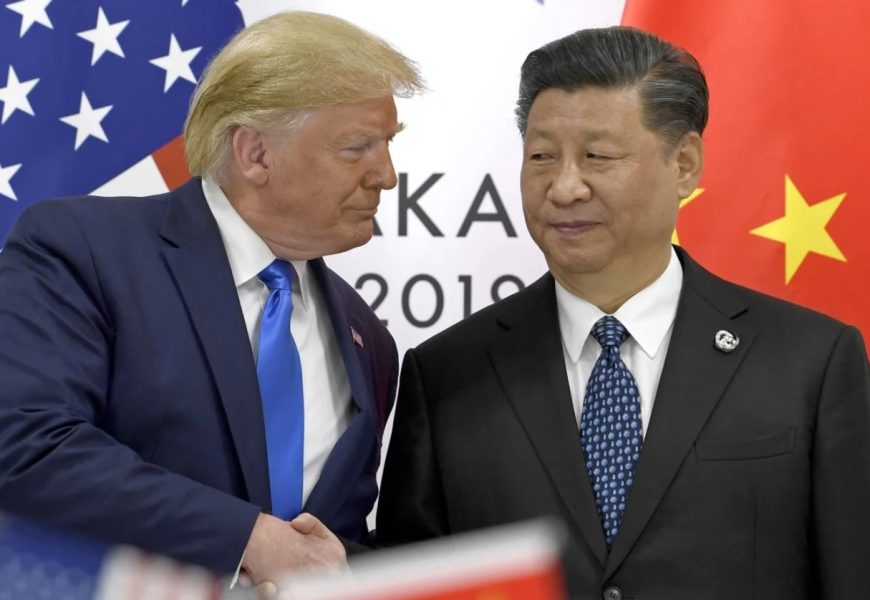
Japanese Prime Minister Sanae Takaichi is due to meet with U.S. President Donald Trump later this month and Japan's plans to buy more American LNG and restart nuclear power plants are likely to be on the agenda, analysts say.
India is prioritizing household needs for its limited supply of liquefied petroleum gas or LPG, which is used for cooking and to power cars.
It has absorbed more than half of the increase driven by global market disruptions under a federal scheme to keep prices low for poor households, said Indian Petroleum Minister Hardeep Singh Puri.
But shortages are already seeping into restaurants and hotels in the world's second-largest LPG importer, as eateries shorten hours, close temporarily or trim long-simmered curries and deep-fried snacks from their menus.
The scale of demand in India, the world's most populous nation, limits how long it can cap prices to shield consumers. The situation could worsen within a week if government subsidies lapse, said Duttatreya Das of the think tank Ember, noting gas supplies were the most immediate concern.
"You can't store a lot of gas," Das said, adding that fertilizer factories and small industries will feel the pinch first.
Indonesia, a country of 287 million people and Southeast Asia's most populous nation, also faces hard choices.
While the government has promised to maintain fuel prices throughout Eid al-Fitr, the Muslim holiday marking the end of the fasting month of Ramadan, Adhiguna of the Energy Shift Institute said there is "no clarity about what will happen after that," adding that this implies fuel prices could increase.
Thailand is also caught in a dilemma. If it ends subsidies that keep prices low, living costs will jump and that could spark a panic if reserves fall further, said Areeporn Asawinpongphan of the Thailand Development Research Institute.
If the conflict continues, Indonesia will have to choose between keeping the subsides that protect customers or cutting funding to keep to budgetary limits. However, this could fuel inflation. Given Indonesia's limited 20-day reserve, Adhiguna warned that price fluctuations in Indonesia's fuel market will be swift.
"It will eventually reach a breaking point," Adhiguna said.
The European Union is doubling down on its long-term clean energy strategy to cut consumption and rein in prices across the 27-nation bloc that have risen sharply since the war's start. Officials met in Brussel this week, where they considered ways to improve the region's energy security.
"We are looking at how we can reduce people's energy bills," said European Commissioner for Energy Dan Jørgensen. "We are working on immediate measures to help businesses and our most vulnerable citizens."
Related Stories