°C
°C
 3
Min
3
Min
TEHRAN, Iran (AP) – The head of Iran’s Central Bank resigned Monday as the biggest protests since 2022 erupted in Tehran and other cities after the country’s currency plummeted to a new record low against the U.S. dollar.
Iran Central Bank governor resigns as protests erupt over currency drop
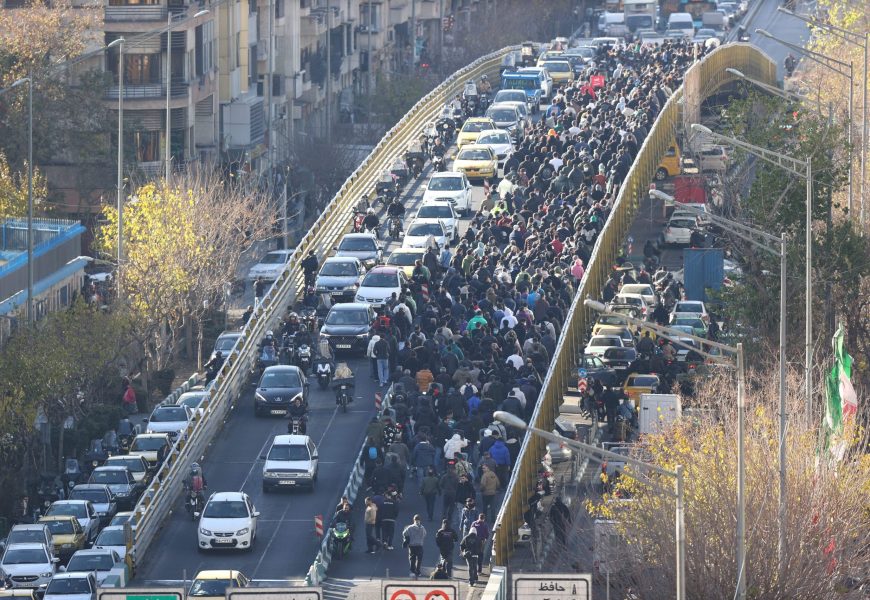

TEHRAN, Iran (AP) – The head of Iran’s Central Bank resigned Monday as the biggest protests since 2022 erupted in Tehran and other cities after the country’s currency plummeted to a new record low against the U.S. dollar.
The resignation of Mohammad Reza Farzin was reported by state TV, as traders and shopkeepers rallied in Saadi Street in downtown Tehran as well as in the Shush neighborhood near Tehran’s main Grand Bazaar. Merchants at the market played a crucial role in the 1979 Islamic Revolution that ousted the monarchy and brought Islamists to power.
The official IRNA news agency confirmed the protests. Witnesses reported similar rallies in other major cities including Isfahan in central Iran, Shiraz in the south and Mashhad in the northeast. In some places in Tehran, police fired tear gas to disperse protesters.
Monday’s protests were the biggest since 2022, when the death of 22-year-old Mahsa Jina Amini in police custody triggered nationwide demonstrations. She was arrested by the country’s morality police for allegedly not wearing her hijab properly.
Witnesses told The Associated Press that traders shut their shops and asked others to do the same. The semiofficial ILNA news agency said many businesses stopped trading even though some kept their shops open.
On Sunday, protests were limited to two major mobile market in downtown Tehran, where the demonstrators chanted anti-government slogans.
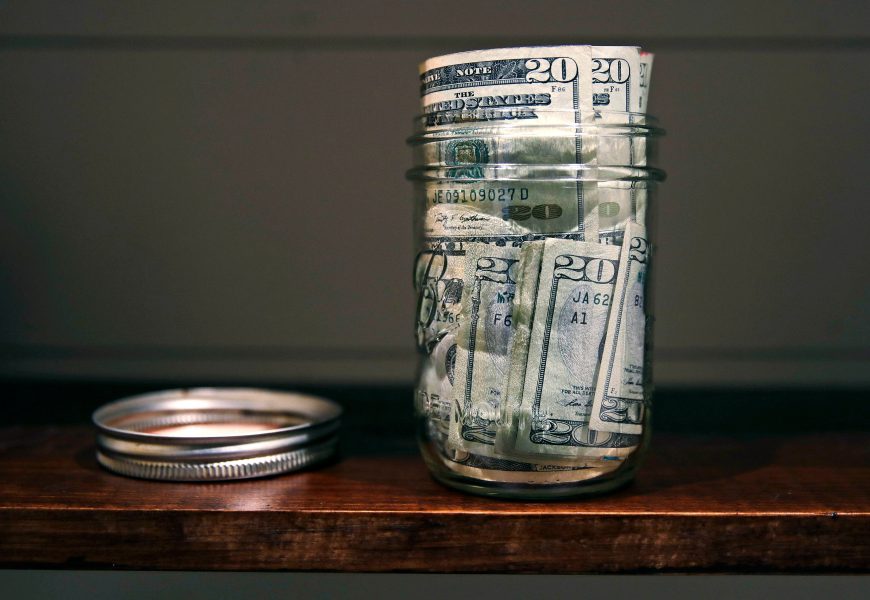
Iran’s rial on Sunday plunged to 1.42 million to the dollar. On Monday, it traded at 1.38 million rials to the dollar.
Reports about Farzin’s possible resignation had been circulating over the past week. When he took office in 2022, the rial was trading at around 430,000 to the dollar.
The rapid depreciation is compounding inflationary pressure, pushing up prices of food and other daily necessities and further straining household budgets, a trend that could worsen by a gasoline price change introduced in recent days.
According to the state statistics center, inflation rate in December rose to 42.2% from the same period last year, and is 1.8% higher than in November. Foodstuff prices rose 72% and health and medical items were up 50% from December last year, according to the statistics center. Many critics see the rate a sign of an approaching hyperinflation.
Reports in official Iranian media that the government plans to increase taxes in the Iranian new year that begins March 21 have caused more concern.
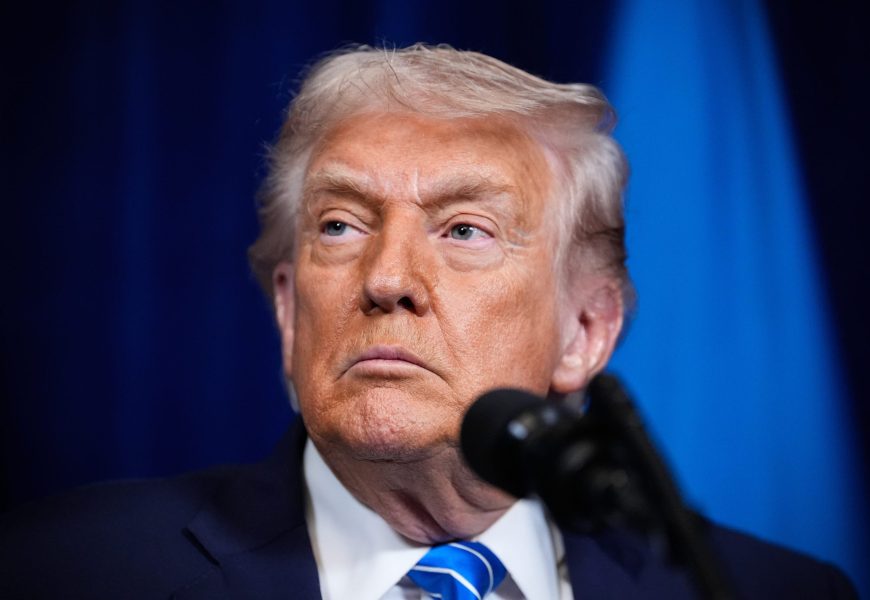
Iran’s currency was trading at 32,000 rials to the dollar at the time of the 2015 nuclear accord that lifted international sanctions in exchange for tight controls on Iran’s nuclear program. That deal unraveled after U.S. President Donald Trump unilaterally withdrew the United States from it in 2018. There is also uncertainty over the risk of renewed conflict following June’s 12-day war involving Iran and Israel. Many Iranians also fear the possibility of a broader confrontation that could draw in the United States, adding to market anxiety.
In September, the United Nations reimposed nuclear-related sanctions on Iran through what diplomats described as the “snapback” mechanism. Those measures once again froze Iranian assets abroad, halted arms transactions with Tehran and imposed penalties tied to Iran’s ballistic missile program.
More Top Stories