°C
°C
 3
Min
3
Min
NICOSIA, Cyprus (AP) – Cyprus said Wednesday it plans to vaccinate thousands of goats, sheep, hogs and cows in an effort to contain an outbreak of a foot-and-mouth disease that threatens exports of halloumi cheese and will result in the culling of at least 13,000 animals.
Cyprus plans mass livestock vaccination to halt spread of foot-and-mouth disease

NICOSIA, Cyprus (AP) - Cyprus said Wednesday it plans to vaccinate thousands of goats, sheep, hogs and cows in an effort to contain an outbreak of a foot-and-mouth disease that threatens exports of halloumi cheese and will result in the culling of at least 13,000 animals.
Agriculture and Environment Minister Maria Panayiotou said European Union experts are in the country to oversee an initial round of vaccinations at livestock farms inside a three-kilometer (1.9 mile) radius from the outbreak's epicenter.
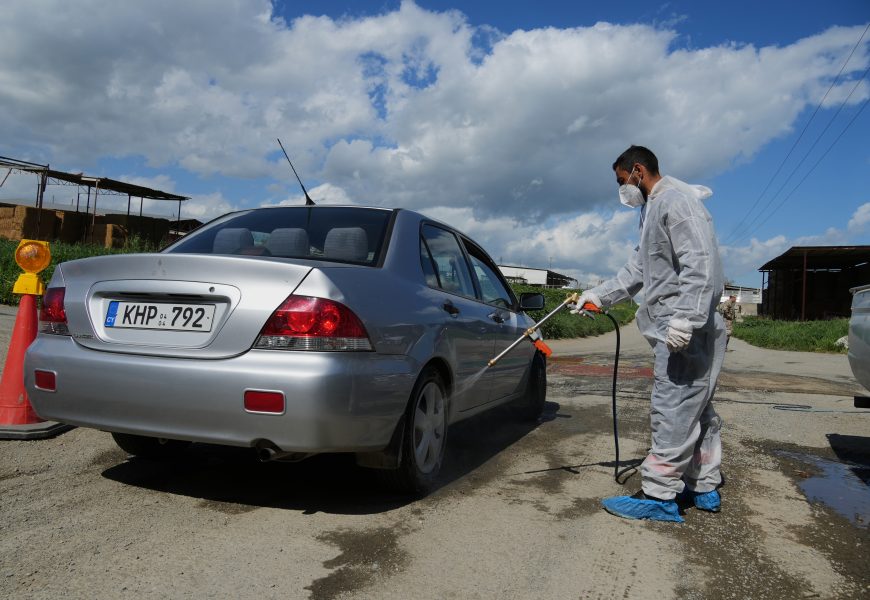
So far, 11 farms have been affected by the outbreak in four communities close to the country's southern coastline. Crews have been deployed to spray disinfectant on vehicles entering the exclusion zone to avoid any possible transfer of the highly-contagious viral disease that induces fever and blister-like sores in the mouth, drastically reduces milk production and leaves animals weakened.
"Strictly obeying biosecurity measures is absolutely essential as they are a key tool to containing the virus," Panayiotou told a news conference, adding that private veterinarians have been recruited to help state authorities administer the vaccine.
A first batch of 10,000 vaccine shots transferred from the country's breakaway Turkish Cypriot northern part will be used initially until an order of more than half a million doses arrives from European manufacturers.
Soteria Georgiadou, a senior official at Cyprus' Veterinary Services, said the authorities had given a number of EU-supplied vaccine doses to Turkish Cypriot farmers after the disease first appeared in livestock farms in the north at the end of 2025. Turkish Cypriots have agreed to give a portion of those doses back.
Georgiadou said that 263 cattle have already been culled and another 13,000 sheep, goats and swine will be destroyed. The animals will be buried in designated sites. She said vaccinations may be expanded to cover a 10-kilometer radius from the disease's epicenter while disinfections will continue for at least a couple of more months.
Cyprus was cleaved along ethnic lines in 1974 when Turkey invaded following a coup aiming to unite the island with Greece. A Turkish Cypriot declaration of independence is recognized only by Turkey. Although Cyprus joined the EU in 2004, only the southern, Greek Cypriot part where the internationally recognized government is seated enjoys full membership benefits.
President Nikos Christodoulides said the government would support farmers and compensate them for their losses. He said the disease may have spread from the north because of "possibly illegal activities," which he didn't specify.
The authorities have reacted quickly to protect the island's production of halloumi, a squeaky, white cheese that can be grilled and which is fast becoming a favorite in foreign markets. Exports of the cheese reached just over 200 million euros ($236 million) in the first half of 2025, reportedly surpassing the island's key pharmaceuticals sector.
Marios Constantinou, head of the Cheesemakers Association, said halloumi production and exports to the island's primary markets in the EU, the U.K. and Australia have been assured due to safety measures during the manufacturing process.
Panayiotou said no new incidents of the disease have so far been identified outside the 11 affected farms and strict protocols to regularly test samples from animals is in place. The consumption of meat, even after vaccination is safe, she added.
More Top Stories