°C
°C
 6
Min
6
Min
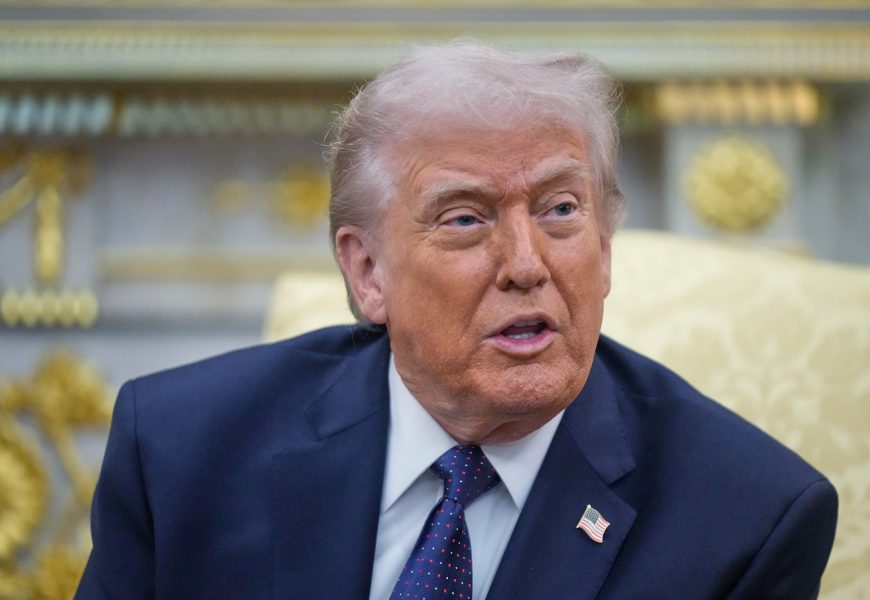
WASHINGTON (AP) – President Donald Trump has dramatically escalated his confrontation with the Federal Reserve, his Justice Department investigating and threatening a criminal indictment of the independent central bank and serving it with subpoenas.
Bringing charges against the Fed: What we do (and don’t) know

WASHINGTON (AP) - President Donald Trump has dramatically escalated his confrontation with the Federal Reserve, his Justice Department investigating and threatening a criminal indictment of the independent central bank and serving it with subpoenas.
The dispute is ostensibly about Fed Chair Jerome Powell's testimony to Congress in June over the cost of a massive renovation of Fed buildings. But in a statement Sunday, Powell, abandoning his previous attempt to ignore Trump's relentless criticism, called the administration's threat of criminal charges "pretexts" in the president's campaign to seize control of U.S. interest rate policy from the Fed's technocrats.
Trump has repeatedly criticized Powell and the Fed for not moving faster to cut rates. Economists warn that a politicized Fed that caves in to the president's demands will damage its credibility as an inflation fighter and likely lead investors to demand higher rates before investing in U.S. Treasurys.
Here's what to know about the dispute:
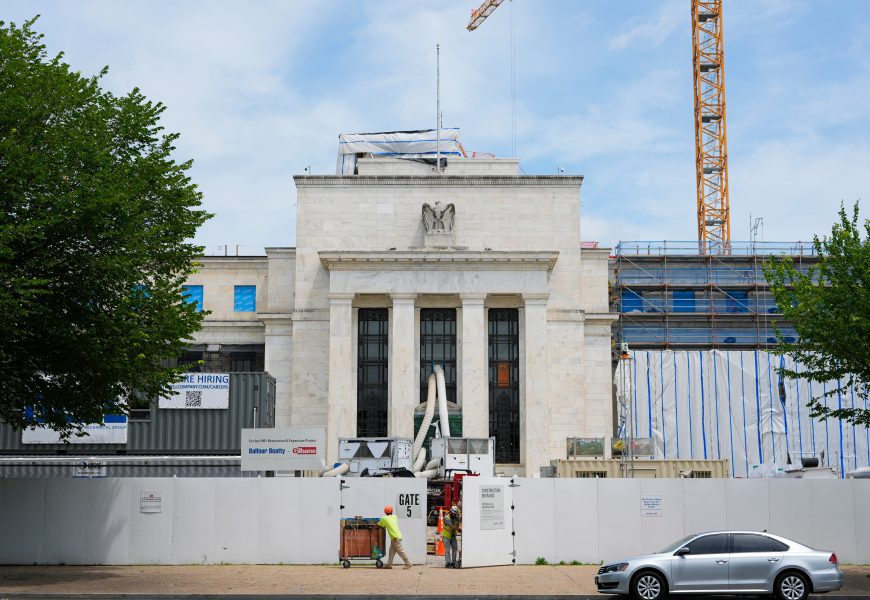
The $2.5 billion renovation of two Fed buildings in Washington dates back to Trump's first term and attracted little attention for years. But over the summer, the administration began to complain about cost overruns in the project - criticisms that coincided with Trump's increasing pressure on the Fed to slash interest rates to stimulate the economy.
Taxpayers are not footing the bill for the Fed renovations directly. Unlike other government agencies, which receive taxpayer money appropriated by Congress, the central bank is self-financed, drawing on interest from its massive holdings of Treasury debt.
The Fed says its headquarters, known as the Marriner S. Eccles building, desperately needed an upgrade because its electrical, plumbing and HVAC systems, among others, are nearly obsolete; some date back to the building's construction in the 1930s.
The Fed is removing asbestos, lead and other hazardous elements from the building and installing modern electrical and communications systems. The H-shaped building, named after a Fed chair from the 1930s and '40s, is located near some of Washington's highest-profile monuments. The central bank is also renovating a building next door that it acquired in 2018.
The Fed has said: "The construction project identified key architectural features to preserve the historic integrity of the buildings, such as stonework, including marble, façades, meeting rooms, and other spaces. Historic preservation work in the Eccles Building also includes elevators that are original to the building, and historic conference rooms.″
Originally budgeted at about $1.9 billion, the project's costs have swelled by $600 million.
The Fed cites many reasons for the greater expense. Construction costs, including for materials and labor, rose sharply during the inflation spike of 2021 and 2022. The project required more asbestos removal than expected. And Washington's local restrictions on building heights forced it to build underground, which is pricier.
Because of the rising costs, the Fed's board canceled planned renovations of a third building in 2024.
The Fed says the renovations will reduce costs "over time" because it will be able to pack its 3,000 Washington-based employees into fewer buildings and pay less rent.
At a Senate Banking Committee hearing in June, Chairman Tim Scott, a South Carolina Republican, claimed that renovation included "rooftop terraces, custom elevators that open into VIP dining rooms, white marble finishes, and even a private art collection." In his testimony, Powell disputed those details, saying "there's no new marble. ... there are no special elevators."
In July, Trump visited the building site and, while standing next to Powell, overstated the cost of the renovation. Still, Trump downplayed concerns later that day, saying "they have to get it done ... Look, there's always Monday morning quarterbacks. I don't want to be that. I want to help them get it finished."
When asked if the overruns amounted to a firing offense, Trump said, "I don't want to put that in this category."
But at a December 29 news conference, Trump said his administration would "probably" sue Powell for "gross incompetence" on the cost of renovations, calling it the "highest price of construction per square foot in the history of the world."
The Supreme Court signaled last year that Trump can't fire Powell simply over disagreements about interest rates. But he could do so legally "for cause," such as misconduct or dereliction of duty.
The controversy over the renovations died down after the summer.
But Trump kept up his pressure on the Fed. In August, he said he was firing Fed governor Lisa Cook, an unprecedented step arising from allegations of mortgage fraud, which she has denied. Cook has sued to keep her job and courts have ruled she can remain in her seat while the case plays out. The Supreme Court will hear arguments in the case Jan. 21.
Trump has repeatedly used investigations - which might or might not lead to an actual indictment - to attack other political rivals, including New York Attorney General Letitia James and James Comey, the former FBI director.
Speaking briefly NBC News Sunday, Trump claimed that he knew nothing about the investigation into Powell. When asked if it is intended to pressure the Fed chair on rates, Trump said, "No. I wouldn't even think of doing it that way."
White House press secretary Karoline Leavitt told reporters that Trump did not direct his Justice Department to investigate Powell.
The subpoenas come at an unusual moment when Trump was teasing the likelihood of announcing his nominee this month to succeed Powell as the Fed chair. While Powell's term as chair ends in May, he has a separate term as a Fed governor until January 2028.
Trump has come under fire for his own decision to tear down the facade of the East Wing of the White House to put in a $250 million ballroom.
The 90,000-square-foot ballroom will dwarf the main White House itself: The Executive Mansion occupies just 55,000 square feet. Trump says the ballroom will accommodate 999 people.
Like the Fed's project, Trump's ballroom won't cost taxpayers anything: It is being privately funded by "many generous Patriots, Great American Companies, and, yours truly," Trump has said on social media.
The president argues that the White House needs a large entertaining space. He has complained about the capacity of the East Room, which can hold 200 people and is currently the largest space in the White House. He also objects to the practice of past presidents hosting state dinners and other events in tents on the South Lawn.
More Top Stories