°C
°C
 4
Min
4
Min
BUENOS AIRES, Argentina (AP) – Argentina and the United States agreed Thursday to ease restrictions on each other’s goods in an expansive trade and investment deal that boosts a drive by President Javier Milei’s government to open up Argentina’s protectionist economy and a push by the Trump administration to reduce food prices for Americans.
Argentina and US sign a major trade deal to slash tariffs and boost a political alliance
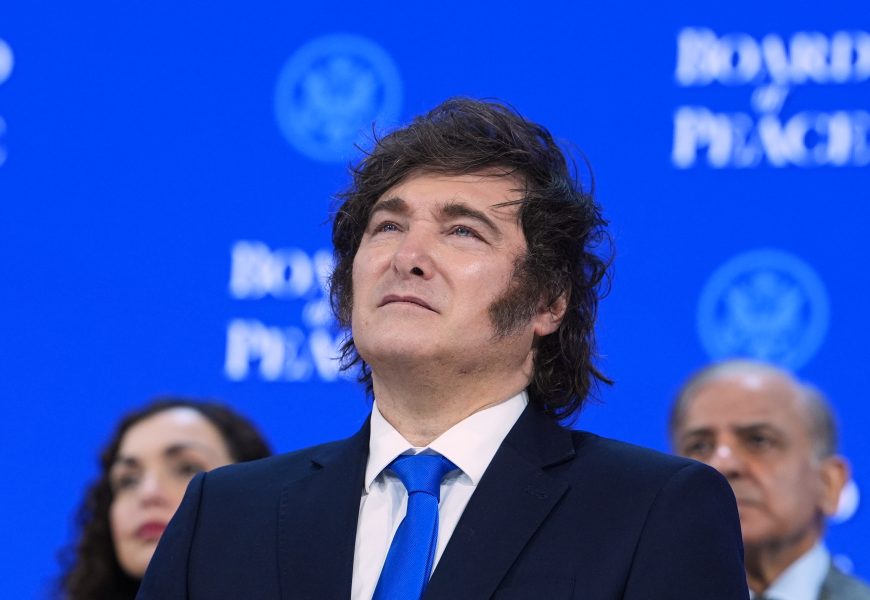

BUENOS AIRES, Argentina (AP) - Argentina and the United States agreed Thursday to ease restrictions on each other's goods in an expansive trade and investment deal that boosts a drive by President Javier Milei's government to open up Argentina's protectionist economy and a push by the Trump administration to reduce food prices for Americans.
The deal, which slashes hundreds of reciprocal tariffs between the countries, also reflects the importance of Milei's ideological loyalty to U.S. President Donald Trump, even as the chronically distressed South American nation long isolated from the global economy has little to offer Washington in the way of economic reward or geopolitical clout.
Argentina's radical libertarian leader has gone to dramatic lengths to prove his devotion to Trump, reshaping his country's foreign policy to align with the U.S. and championing Trump's increasingly aggressive interventions in the Western Hemisphere. Milei has traveled to the U.S. at least a dozen times since entering office and plans to visit Trump's private Mar-a-Lago club in Florida again next week.
The efforts have already paid off. Last year as market turmoil threatened to derail Milei's free-market overhaul and drain Argentina's foreign currency reserves ahead of a crucial midterm election, Trump offered his ally a $20 billion credit line. Milei avoided a currency devaluation and won a decisive victory in the election that sent markets rallying.
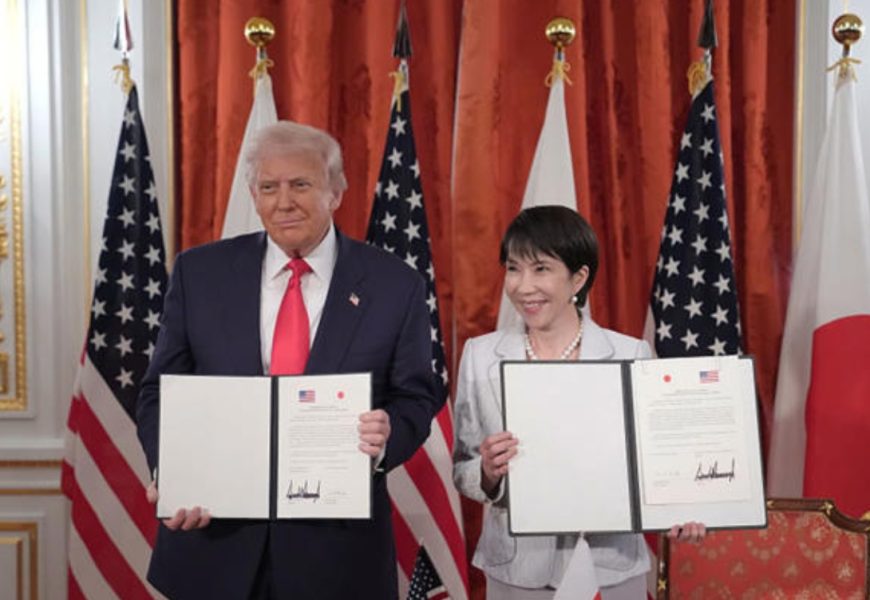
On Thursday Argentine Foreign Minister Pablo Quirno and U.S. Trade Representative Jamieson Greer signed the trade and investment agreement in Washington.
After imposing sweeping tariffs on its traditional trading partners for months, the Trump administration changed its tune last November in announcing framework deals with four Latin American countries, including Argentina.
The White House argued that the reduction of mutual tariffs on a range of food imports, like Argentine beef and Ecuadorian bananas, would improve the ability of American firms to sell industrial and agricultural products abroad and relieve rising prices for American consumers. The announcement also came as Trump's steep tariffs drew scrutiny from the Supreme Court.
Argentina on Thursday became the first of the four countries to finalize its agreement with the U.S. Quirno hailed it as a milestone not only in Argentina's alliance with the U.S., but also in Milei's campaign to rebuild the serial defaulter's reputation.
"Today Argentina sent a clear signal to the world," he wrote on social media. "We are a reliable partner, open to trade and committed to clear rules, predictability and strategic cooperation."
Argentina's foreign ministry said it would scrap trade barriers on more than 200 categories of goods from the U.S., including chemicals, machinery and medical devices, slash tariffs to 2% on a range of imports like auto parts and allow sensitive imports like vehicles, beef and dairy products to enter the country tariff-free under government quotas.
Those are key concessions as local Argentine industries long protected by steep tariffs voice concern about their ability to compete with American manufacturers.
Washington, for its part, will eliminate reciprocal tariffs on 1,675 Argentine products, the Argentine Foreign Ministry said, adding $1 billion in export revenue. It did not name all the products, while the White House only said the U.S. would remove reciprocal tariffs on "unavailable natural resources" and ingredients for pharmaceutical goods.
The text of the deal also shows the U.S. agreeing to review its stiff 50% taxes on steel and aluminum imports that have hobbled Argentine manufacturers since last year and quadruple the amount of Argentine beef it allows into the country annually at a lower tariff rate.
The influx of beef could reignite criticism from cattle ranchers and Republican lawmakers in farm states who were outraged last October when Trump first floated plans to increase imports of Argentine beef, threatening to lower the price that American ranchers receive for their cattle.
The move, aimed at shoring up the South American country's limping economy while helping bring beef prices in the U.S. down from record highs, came shortly after the Trump administration offered Milei the $20 billion lifeline and directly purchased both U.S. dollar-denominated Argentine bonds that ratings agencies were classifying as "junk" at the time and the volatile Argentine currency that local investors were dumping in droves.
The backlash came from across the political spectrum. Trump's MAGA base questioned the need to bail out a far-flung country that has never been a natural U.S. trading partner: The two countries export many of the same things and directly compete in markets of soy, corn, wheat, meat and oil.
Democratic lawmakers expressed outrage that Trump was staking taxpayer money on a political gift to an ideological soulmate. That criticism continues, with U.S. Sen. Elizabeth Warren, the top Democrat on the Senate Banking Committee, on Thursday appealing to Treasury Secretary Scott Bessent to end the $20 billion lifeline.
More Top Stories