°C
°C
 5
Min
5
Min
A nearly blind refugee from Myanmar who disappeared after U.S. Border Patrol agents dropped him off at a Buffalo doughnut shop was found dead on the street five days later, prompting a police investigation and complaints from city officials that he’d been abandoned without care for his safety.
A nearly blind refugee is found dead after Border Patrol agents drop him at Buffalo doughnut shop
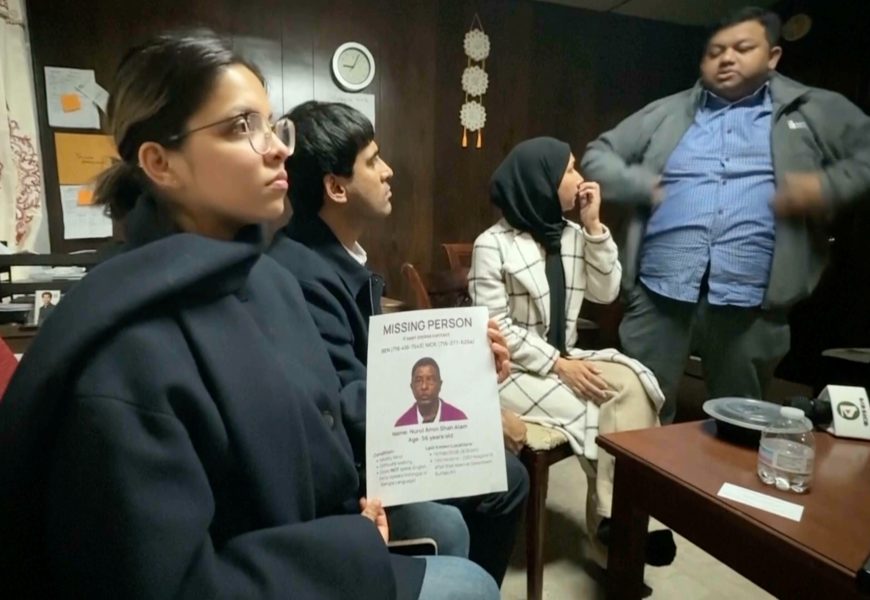

A nearly blind refugee from Myanmar who disappeared after U.S. Border Patrol agents dropped him off at a Buffalo doughnut shop was found dead on the street five days later, prompting a police investigation and complaints from city officials that he'd been abandoned without care for his safety.
Nurul Amin Shah Alam, 56, was detained by Border Patrol agents on Feb. 19 after his release from a county jail, but was let go that same day after federal authorities determined he wasn't eligible for deportation.
The agents brought him to a Tim Hortons restaurant north of Buffalo's downtown and dropped him there, authorities and advocates said. His family, which had initially expected him to walk out of jail, wasn't informed he had been released. Shah Alam's lawyer reported him missing to Buffalo police on Feb. 22 after learning that an area immigration detention center didn't have him in custody.
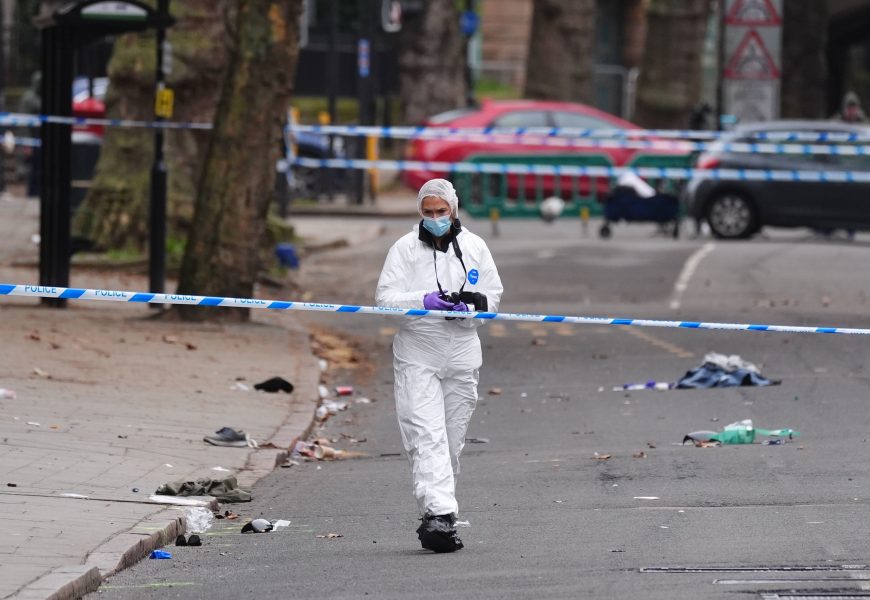
Shah Alam was found dead Tuesday night near the downtown sports arena where the NHL's Buffalo Sabres play. It was unclear how he got there from the Tim Hortons, several miles away, or when he died.
The county medical examiner was investigating the cause of death, health officials said Thursday. The Buffalo Police Department told reporters that the medical examiner had concluded that the death was "health related" and ruled out exposure or homicide, but the Erie County Department of Health later disputed that account, saying no determination had been made. Detectives were investigating the events leading up to Shah Alam's death, which was first reported by the Investigative Post.
Khaleda Shah, a family friend and spokesperson, said the family wants justice.
"We do not want his death to just go to waste," she said Thursday at Shah Alam's funeral. "We want his death to bring awareness to his community, his family, his community at large. We want his name, his story to be a voice for those who are still suffering."
Buffalo's mayor, a Democrat, blamed Shah Alam's death at least partly on a "dereliction of duty" by federal agents, saying they shouldn't have left him alone, miles from his home.
"A vulnerable man - nearly blind and unable to speak English - was left alone on a cold winter night with no known attempt to leave him in a safe, secure location. That decision from U.S. Customs and Border Protection was unprofessional and inhumane," Mayor Sean Ryan said in a statement.
Ryan said Shah Alam had been wearing orange booties issued by the county holding center, rather than proper shoes suitable for winter weather.
U.S. Customs and Border Protection defended its actions.
"Border Patrol agents offered him a courtesy ride, which he chose to accept to a coffee shop, determined to be a warm, safe location near his last known address, rather than be released directly from the Border Patrol station," it said in a statement. "He showed no signs of distress, mobility issues, or disabilities requiring special assistance."
During the days Shah Alam was missing, temperatures in Buffalo fell below freezing and light snow fell.
Shah Alam arrived in the United States with his wife and two of his children in December 2024 in search of opportunity for his family, said Imran Fazal, who knows the family and founded a group called the Rohingya Empowerment Community. He had worked in construction for many years previously in Malaysia.
Buffalo police arrested Shah Alam a year ago after an incident that resulted in minor injuries to two officers. He was initially indicted on charges of assault, burglary and criminal mischief, according to Erie County District Attorney Mike Keane. Prosecutors said he had two metal poles when he approached the officers.
Fazal said the arrest was a misunderstanding based on the language barrier and cultural differences, and that Shah Alam had been taking shelter from the snow near a house at the time. He also said Shah Alam cannot walk properly without a cane. Shah Alam ultimately pleaded guilty Feb. 9 to misdemeanor charges of trespassing and possession of a weapon and was scheduled to be sentenced in March.
Keane, the district attorney, said he had offered a reduced plea "in the interest of justice." One factor in the decision was avoiding the mandatory deportation that would result from a felony conviction, he said.
Fazal said the family was able to post bail and went to the county jail Feb. 19 expecting Shah Alam to be freed.
"The family was waiting in the waiting room," Fazal said. "They were thinking he was just coming out."
But since federal Border Patrol had lodged an immigration detainer after his arrest, the Erie County Sheriff's Office followed standard practice and informed the federal agency about his pending release.
Ryan said Shah Alam was initially taken to an Immigration and Customs Enforcement facility, which did not take him.
Shah Alam's family searched for him after his attorney was notified about the nighttime drop-off at a Tim Hortons, but could not locate him, said Fazal.
Fazal called it "a complete failure of the system."
U.S. Sen. Kirsten Gillibrand, a Democrat, sent a letter to federal officials demanding a full accounting of the actions taken by agents. New York Attorney General Letitia James, also a Democrat, said her office is reviewing its legal options.
Related Stories

More Top Stories