°C
°C
 5
Min
5
Min
NICOSIA, Cyprus (AP) – European Union leaders meeting in Cyprus need to start preparing a playbook on what should happen if an EU country under attack puts out a call for help from bloc partners, the president of Cyprus said.
The AP Interview: Cyprus president says EU needs a clear playbook on helping members under attack
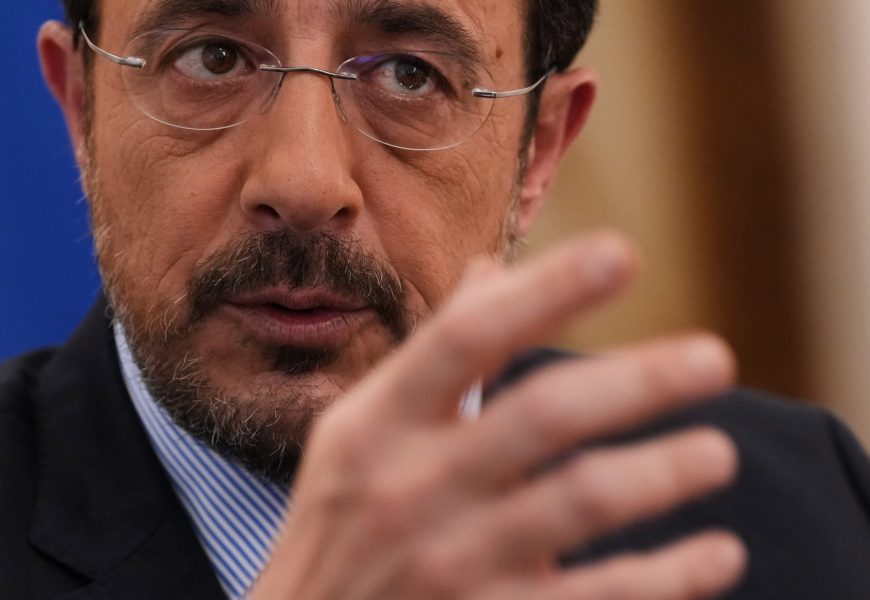

NICOSIA, Cyprus (AP) - European Union leaders meeting in Cyprus need to start preparing a playbook on what should happen if an EU country under attack puts out a call for help from bloc partners, the president of Cyprus said.
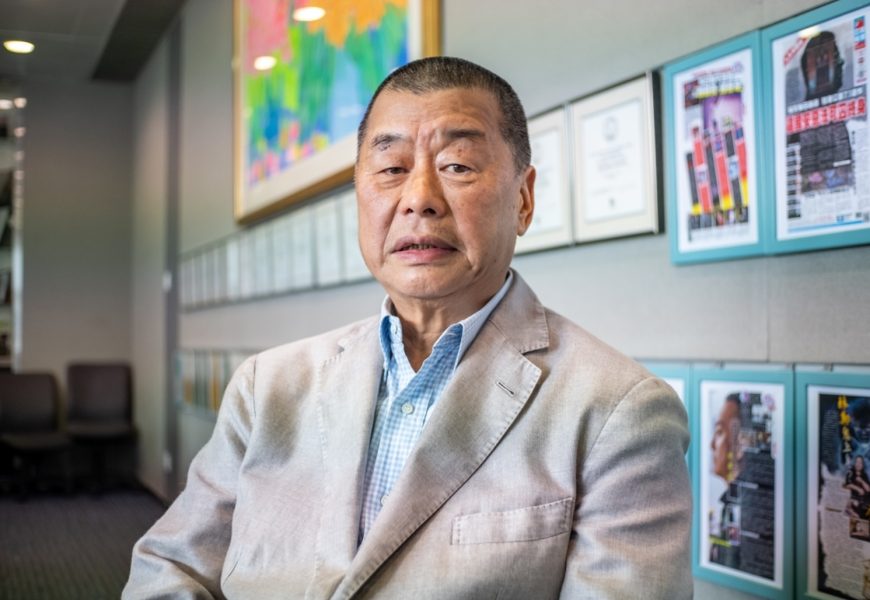
In an exclusive interview with The Associated Press on Tuesday, President Nikos Christodoulides said EU leaders will discuss "giving substance" to Article 42.7 of the bloc's treaties, which oblige all 27 member states to assist each other in times of crisis.
The article states that if a nation is the victim of armed aggression on its territory, its partners should provide "aid and assistance by all the means in their power." It has never been used before so there's no hard and fast rules on how EU members should respond to any call for assistance.
"We have Article 42.7 and we don't know what is going to happen if a member state triggers this article," Christodoulides said ahead of an EU-Mideast summit he is also hosting later this week, expected to focus on the Iran war and its fallout. "So we're going to have a discussion and prepare, let's say, an operational plan of what is going to happen in case a member state triggers this article, and there are a number of issues."
The issue resonates particularly with Christodoulides, who appealed for help from fellow EU countries last month when a Shahed drone struck a British air base on the island's southern coastline. Cypriot officials said the drone was launched from Lebanon whose capital is just 207 kilometers (129 miles) away from Cyprus' southern coast. Greece, France, Spain, The Netherlands and Portugal dispatched ships with anti-drone capabilities to help defend the island.
Christodoulides said since many EU countries are also members of NATO, the playbook should clarify how those countries would respond to a call for help from an EU partner without conflicting with their obligations under the military alliance.
NATO's own security guarantee, Article 5, states an attack on one ally is deemed an attack on them all, requiring a collective response.
"So what is going to happen in this situation if a member state is both NATO member state and an EU member state? What is going happen?" Christodoulides said.
Another issue that needs to be addressed under the Article 47.2 is whether a response would be a collective one in the NATO mold or just one for states neighboring the country in distress. There's also the issue of what means would need to be used to deal with varying types of crises.
Christodoulides said he's pleased to see that fellow EU leaders now "understand the importance" of bringing the bloc closer to the Middle East with such initiatives as the Mediterranean Pact that implements specific projects on a range of issues including health, education and energy in Middle Eastern countries.
Closer EU ties to the Middle East has been a key priority for Cyprus' EU presidency, which Christodoulides said offers a "very good opportunity ... to give substance" to that objective. Attending the informal EU leaders' summit later this week will be the leaders of Egypt, Lebanon, Syria and Jordan, affording the opportunity "not just to exchange ideas but to see in action how we elevate our cooperation in a strategic level."
"We can represent the interest of the countries of the Greater Middle East to Brussels, but at the same time, and this is very, very important, the countries in the region, they trust Cyprus to represent them in the European Union," he said.
Christodoulides is a strong proponent of the India-Middle East-Europe Economic Corridor (IMEC), a trade, energy and digital connectivity corridor that would link the continent with the world's largest democracy and is hoped to usher peace and stability in the Middle East.
Christodoulides said under the Cypriot EU presidency, a "Friends of IMEC" group has been set up to promote the initiative, which still lacks what he said are more specific projects. One such project is the Great Seas Interconnector, an electricity cable connecting the power grids of Greece and Cyprus and eventually Israel that has been plagued by delays.
"We can work together with the Americans, with the U.S. Government, with President Trump in order to give substance because it will be a win-win situation for both the European Union and the United States" with additional concrete projects, Christodoulides said.
The Iran war again brought the need for the EU to diversify its energy source into sharp relief. Christodoulides said he's in talks with the EU's executive arm on how Cyprus' own offshore natural gas deposits can help the bloc find alternative energy sources and routes.
He said Commission President Ursula von der Leyen will unveil on Friday "very specific proposals" regarding energy costs and how the bloc can become more energy independent.
The Cypriot president said the EU has made significant strides in hastening its decision on making mechanisms but has failed to deliver on its pledge to add new members in the last two years, diminishing the trust that prospective member nations have in the union.
"So we have a strong geopolitical tool that we are losing mainly because of our mistakes. The situation today is much better. We are deciding in a much faster, let's say, pace," said Christodoulides. "And enlargement is one of the geopolitical tools that, as a European Union, we need pretty soon to have specific decisions."
More Top Stories