°C
°C
 2
Min
2
Min
BERLIN (AP) – The German government on Wednesday trimmed its 2026 forecast for the country’s economy, Europe’s biggest, as growth picks up more slowly than previously hoped.
Germany trims this year’s growth forecast to 1% as its economy is slow to gather pace
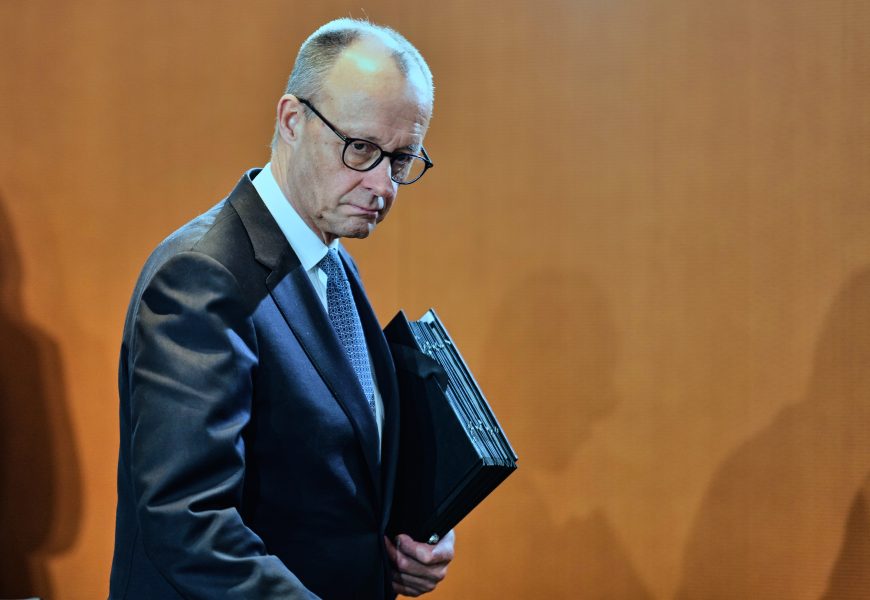
BERLIN (AP) - The German government on Wednesday trimmed its 2026 forecast for the country's economy, Europe's biggest, as growth picks up more slowly than previously hoped.
Chancellor Friedrich Merz's government now expects gross domestic product to expand by about 1% this year and 1.3% in 2027, Economy Minister Katherina Reiche said. In October, it had predicted growth of 1.3% and 1.4% respectively.
The economy returned to modest growth of 0.2% last year after shrinking for two years in a row, according to preliminary official figures released two weeks ago.
Merz's governing coalition took office in May, with revitalizing the economy as one of its priorities. It launched a program to encourage investment, set up a 500 billion-euro ($596 billion) fund to pour money into Germany's creaking infrastructure over the next 12 years and cleared the way for increased defense spending. It is moving to subsidize energy prices for heavy industry, cut red tape and speed up the country's lagging digitization.
"The background to the somewhat cautious estimate is the fact that the expected impetus from the financial and economic policy measures wasn't realized quite as quickly and to the extent that we assumed," Reiche told reporters. But she said data now points to a "clear recovery."
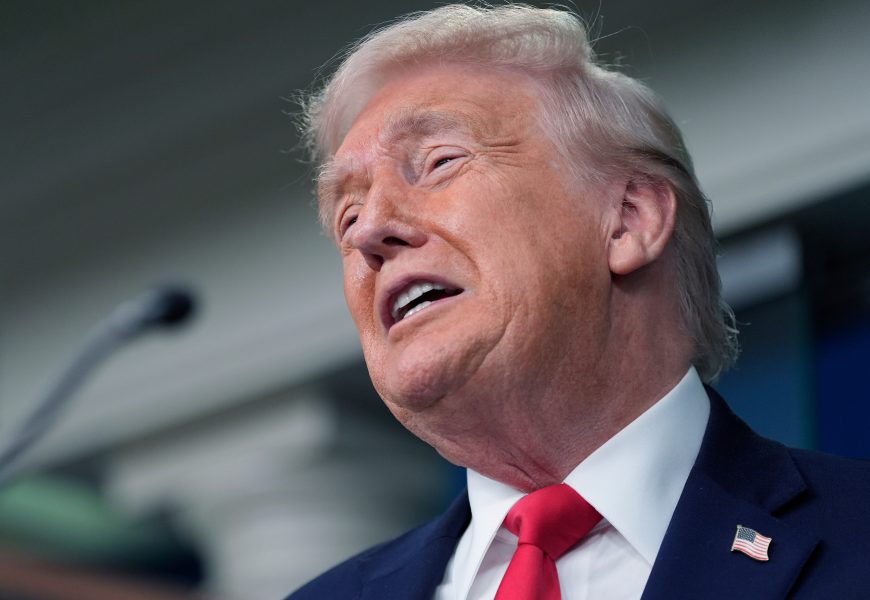
Germany for years expanded exports and dominated world trade in engineered products like industrial machinery and luxury cars. But it has suffered from increasing competition from Chinese companies, higher energy costs following Russia's full-scale invasion of Ukraine and many other factors that have increased risks, including U.S. President Donald Trump's tariffs and trade threats.
More Top Stories