°C
°C
 3
Min
3
Min
Queensland mayors and councillors will receive pay increases of between 3.25 and 4.5 per cent from the next financial year, following the release of the Local Government Remuneration Commission's annual report. The commission handed down its recommendations, with salary increases varying depending on council size, financial capacity and regional circumstances.
Queensland mayors and councillors set for pay rises of up to 4.5 per cent from next financial year
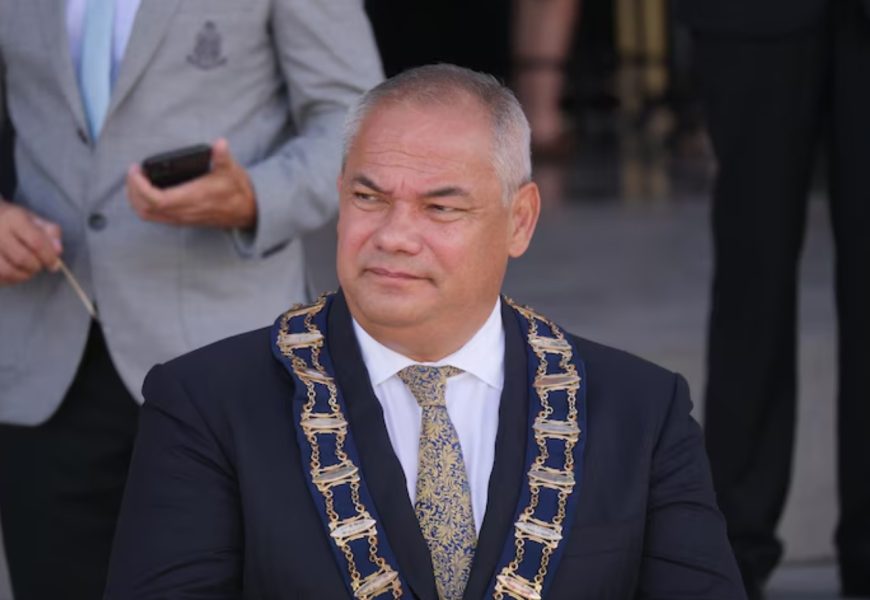
Queensland mayors and councillors will receive pay increases of between 3.25 and 4.5 per cent from the next financial year, following the release of the Local Government Remuneration Commission's annual report.
The commission handed down its recommendations last week, with salary increases varying depending on council size, financial capacity and regional circumstances. The pay rises will take effect from 1 July next year.
Councils covering Queensland's largest population centres will receive the smaller increase of 3.25 per cent. This applies to 32 local government areas, including Gold Coast, Moreton Bay, Sunshine Coast, Logan, Ipswich, Townsville, Toowoomba, Redland, Mackay, Cairns, Fraser Coast and Bundaberg.
Under the changes, Gold Coast Mayor Tom Tate will be eligible for a salary of $295,542, up from $286,239, while Gold Coast councillors' pay will rise from $170,819 to $176,371.
Moreton Bay Mayor Peter Flannery will receive an increase to $266,942, up from $258,539, with the same salary applying to Logan Mayor Jon Raven and Sunshine Coast Mayor Rosanna Natoli. Councillors in Moreton Bay, Logan and the Sunshine Coast will be eligible for salaries of $162,072, an increase from $156,970.
Ipswich Mayor Teresa Harding and Townsville Mayor Nick Dametto will see their recommended salaries rise from $230,836 to $238,338. Cairns Mayor Amy Eden and Redland City Mayor Jos Mitchell will be entitled to $209,739, up from $203,137.
Larger increases of 4.5 per cent will apply to 44 councils, primarily covering smaller rural, regional and remote areas. Mayors in 33 councils, including Winton, Quilpie, Bulloo, Wujal Wujal, Aurukun and Cloncurry, will see their salaries increase from $122,975 to $128,509.
In a further 11 councils - including Goondiwindi, Balonne, Douglas, Longreach and Cook - mayoral salaries will rise from $124,157 to $129,744.
In explaining its decision, the remuneration commission said it had carefully considered financial sustainability, responsible wage growth and the impacts of a "challenging and unstable inflationary environment".
The commission also cited ongoing pay disparities between smaller rural and remote councils and larger metropolitan areas, as well as anecdotal evidence highlighting difficulties in attracting and retaining high-quality candidates for local government roles, particularly outside major centres.
Another key consideration was whether councils could reasonably afford the increases.
The commission does not oversee remuneration for the Brisbane Lord Mayor or Brisbane City Council councillors.
Last year, pay rises ranged between 2.5 and 3 per cent. Brisbane's inflation rate stood at 5.2 per cent in the 12 months to October.
By comparison, the base salary of a Queensland state MP is $189,505, while ministers and the opposition leader are paid $390,278, and the premier receives $476,323.
A spokesperson for the Department of Local Government said the commission's recommended increases would automatically apply unless councils opted to adopt a lower increase.
"If a council chooses to set a lesser amount, it must pass a resolution to that effect before 1 July 2026," the spokesperson said.
"If no resolution is passed, the maximum increase determined by the commission will apply. While superannuation does not form part of the commission's recommendation, standard superannuation rules will continue to apply."
More Top Stories