°C
°C
 3
Min
3
Min
Queensland's protected area network has expanded by more than 90,000 hectares following the declaration of two new private nature refuges in Cape York Peninsula and central Queensland. The newly declared Watson River Nature Refuge spans 57,283 hectares about 140 kilometres south-east of Weipa, while Urannah Nature Refuge covers 32,877 hectares approximately 80 kilometres north-west of Mackay.
Queensland marks major conservation milestone with two new nature refuges
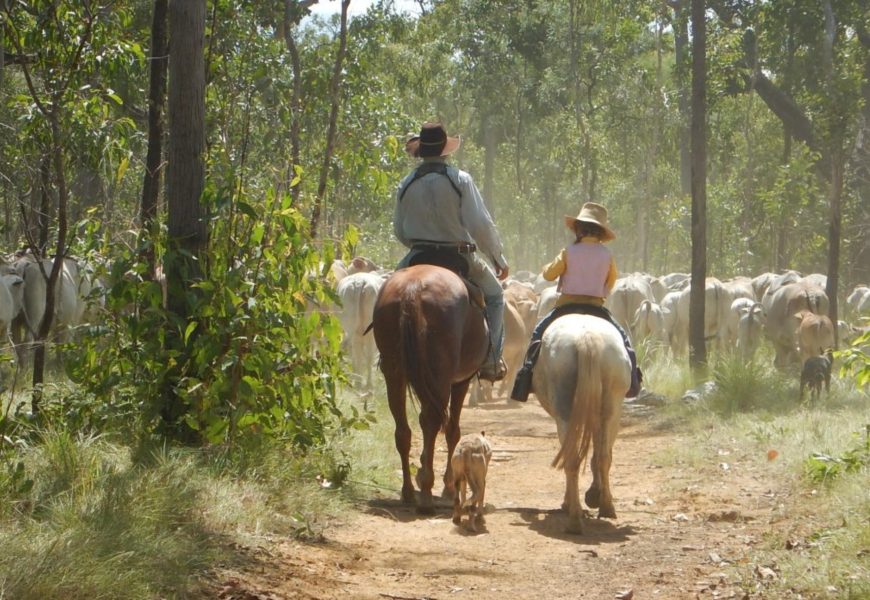
Queensland's protected area network has expanded by more than 90,000 hectares following the declaration of two new private nature refuges in Cape York Peninsula and central Queensland.
The newly declared Watson River Nature Refuge spans 57,283 hectares about 140 kilometres south-east of Weipa, while Urannah Nature Refuge covers 32,877 hectares approximately 80 kilometres north-west of Mackay.
Established through a joint investment by the Queensland and Australian governments, the refuges represent a significant boost to private conservation efforts across the state.
Watson River Nature Refuge protects threatened species and important regional ecosystems, while also providing vital catchment protection for the Watson River. The refuge strengthens landscape connectivity with neighbouring nature refuges and the Oyala Thumotang and Batavia National Parks on Cape York Peninsula Aboriginal Land.
In central Queensland, Urannah Nature Refuge safeguards critical habitat for a range of threatened species, including the elusive Irwin's turtle. The refuge directly links with Eungella National Park, Macartney State Forest and Sandy Falls Nature Refuge, and enhances waterway protection for the Broken River.
Federal Minister for the Environment and Water Murray Watt said the declarations highlighted the importance of innovative conservation partnerships.
"Many of Australia's most important species and ecosystems occur on private land, so initiatives like this are essential to reversing nature decline and achieving our goal of protecting 30 per cent of land by 2030," he said.
Queensland Minister for the Environment and Tourism Andrew Powell described the new refuges as a landmark step in collaborative conservation.
"This expansion demonstrates Queensland's strong commitment to protecting our unique natural environment," Minister Powell said. "Nature refuges are a smart way to conserve what makes Queensland special while keeping land productive for grazing, tourism and other sustainable uses."
The refuges were supported through the $4.1 million NatureAssist Round 11 grants program, jointly funded by the Queensland and Australian governments.
Private protected areas - including nature refuges and special wildlife reserves - account for around one-third of Queensland's protected area estate, which now totals more than 14.9 million hectares. These areas play a critical role in biodiversity conservation, with 62 per cent of the state's regional ecosystem types found on privately protected land.
Nature refuges are established voluntarily under the Nature Conservation Act 1992, allowing landholders to protect significant landscapes and species while retaining ownership and continuing sustainable operations.
Since its launch in 2007, the NatureAssist program has delivered more than $19 million across 132 projects, adding thousands of hectares to Queensland's protected area network.
The Queensland Government has also released a discussion paper, A Fresh Start for Private Protected Areas, as part of broader efforts to expand the state's protected area estate through strategic acquisitions and voluntary partnerships. Feedback from the public consultation is currently being assessed to inform an update of the private protected areas program, which marked its 31st year in 2025.
More Top Stories