°C
°C
 2
Min
2
Min
A major new report has found racism is "deeply embedded" across Australia's university sector, with more than 70 per cent of respondents saying they experienced or witnessed racist behaviour directed at their community. The Racism@Uni study surveyed more than 76,000 students and staff and reports high rates of racism affecting a wide range of communities.
Landmark "Racism@Uni" report finds racism deeply embedded across universities
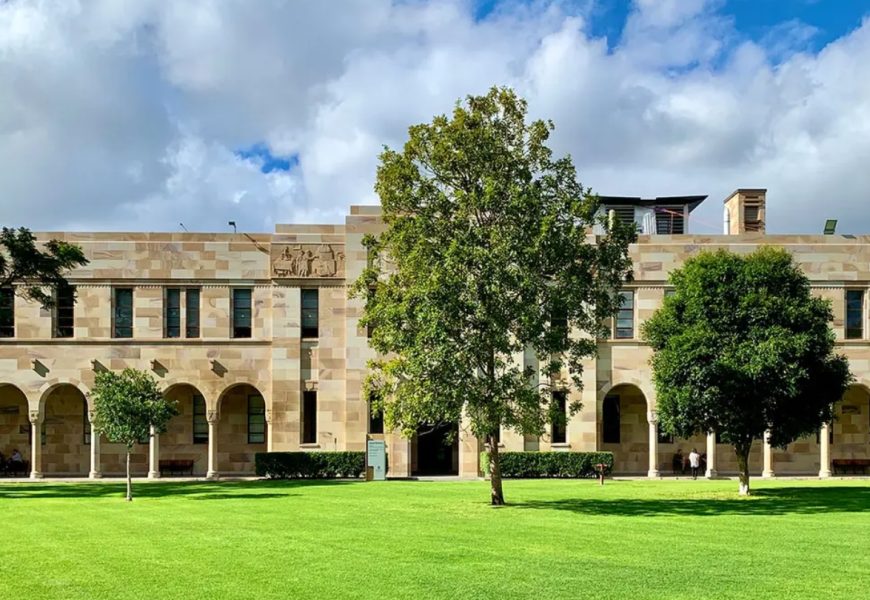
A major new report has found racism is "deeply embedded" across Australia's university sector, with more than 70 per cent of respondents saying they experienced or witnessed racist behaviour directed at their community.
The Racism@Uni study surveyed more than 76,000 students and staff and reports high rates of racism affecting a wide range of communities, including First Nations peoples and those from African, Asian, Jewish, Māori, Middle Eastern, Muslim, Palestinian and Pasifika backgrounds.
While universities have expanded equity statements and reporting pathways in recent years, the report's scale suggests many people still experience racism as a routine part of campus life-through comments, stereotyping, exclusion, online behaviour, and institutional practices that can disadvantage some groups in learning and working environments.
For Queensland universities, the findings sharpen focus on two parallel obligations: ensuring culturally safe learning spaces for a diverse student cohort, and building workplace environments where staff can progress without discrimination. The report is likely to intensify scrutiny of complaints processes, the consistency of disciplinary responses, and the role of leadership in setting behavioural expectations-particularly during periods of heightened community tension and geopolitical conflict.
The practical reforms often debated in the sector include better resourcing for complaints handling, clearer consequences for misconduct, mandatory training that goes beyond "tick-box" modules, and transparent reporting that tracks issues over time. The report also raises broader questions about how universities measure student experience and safety-not only academically, but socially and culturally-across campuses and online platforms.
More Top Stories