°C
°C
 2
Min
2
Min
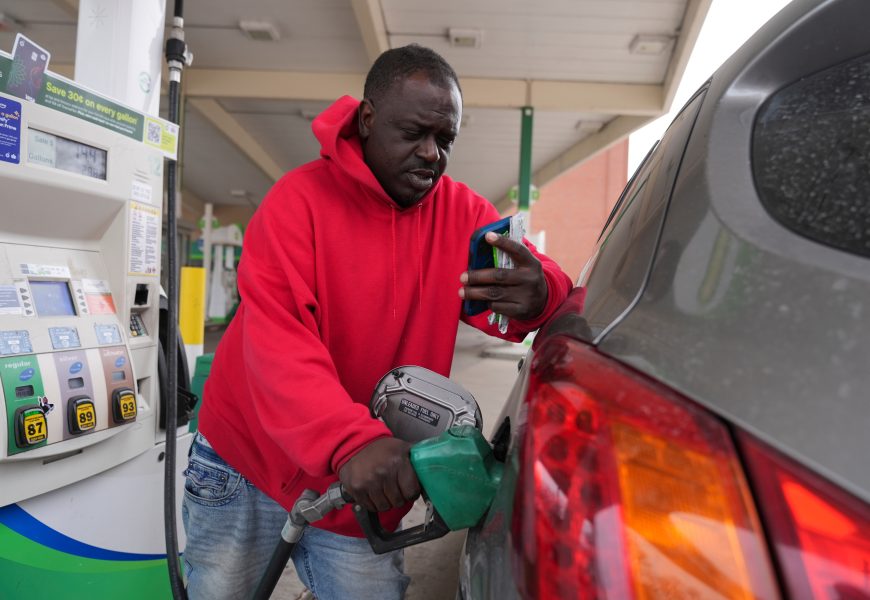
Brisbane drivers have enjoyed a rare stretch of below-average petrol prices, offering modest cost-of-living relief for households and small businesses that rely on daily travel. The extended dip isn't the result of a single cause - it's a mix of global market settings and local price cycles that, for now, have aligned in motorists' favour.
Brisbane Petrol: What's Pulling Prices Down Across the City
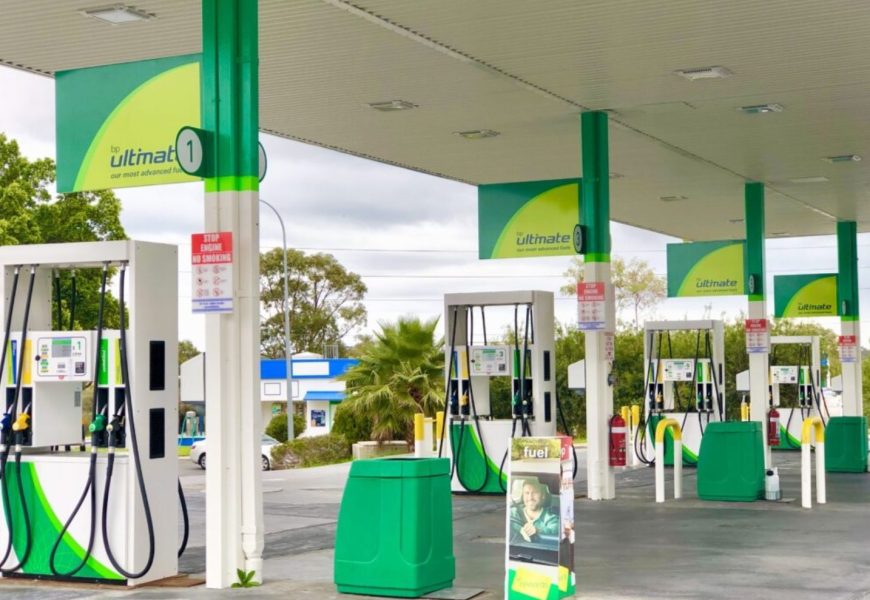
Brisbane drivers have enjoyed a rare stretch of below-average petrol prices, offering modest cost-of-living relief for households and small businesses that rely on daily travel.
The extended dip isn't the result of a single cause - it's a mix of global market settings and local price cycles that, for now, have aligned in motorists' favour.
Fuel prices are shaped by the international price of refined product, the Australian dollar, shipping and distribution costs, and the retail discounting that occurs as stations compete for volume.
When these inputs move in the right direction at the same time, the "cycle" can flatten - meaning fewer spikes and longer periods of comparatively cheaper unleaded.
For drivers, the practical question is how long it lasts. The key indicators to watch include sudden movement in global oil benchmarks, disruptions in refining capacity, currency shifts, and changes in local discounting behaviour.
Even when wholesale costs ease, retail prices don't always fall immediately - and when a cycle turns, the rise can be sharp.
In the meantime, transport operators and families budgeting week-to-week may see a small but tangible benefit.
The smarter play is to treat cheaper fuel as temporary breathing room: lock in savings where possible, and keep an eye on the signals that typically precede the next upward swing.
More Top Stories