°C
°C
 2
Min
2
Min
The federal government has scrapped further funding for the long-planned Inland Rail project linking Melbourne and Brisbane, citing escalating costs. Once envisioned as Australia's largest freight rail development, the 1,600-kilometre Inland Rail corridor was designed to improve freight efficiency, reduce road congestion, and cut emissions.
Federal Government Halts Brisbane Leg of Inland Rail Amid $45 Billion Cost Blowout
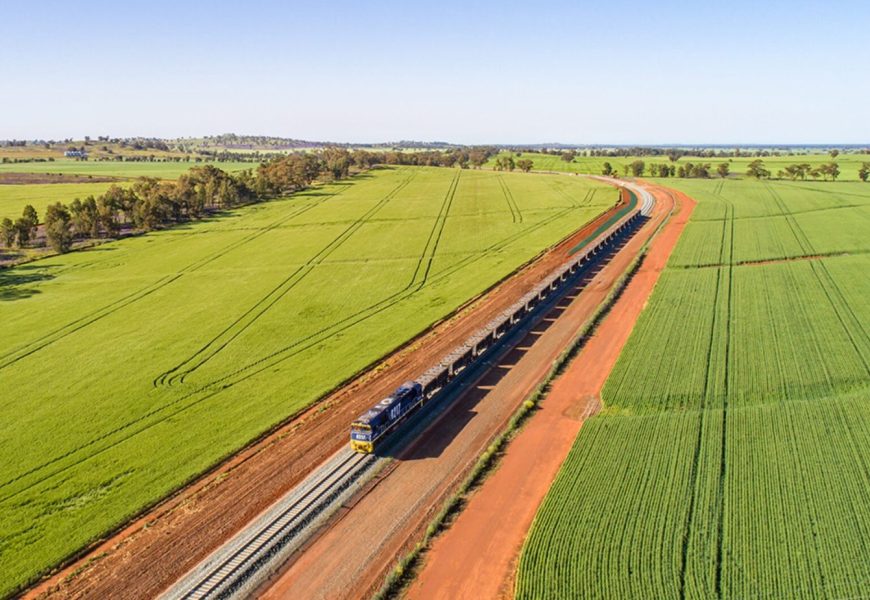
The federal government has scrapped further funding for the long-planned Inland Rail project linking Melbourne and Brisbane, citing escalating costs and delivery concerns.
Once envisioned as Australia's largest freight rail development, the 1,600-kilometre Inland Rail corridor was designed to improve freight efficiency, reduce road congestion, and cut emissions. However, a recent independent assessment found the total cost could exceed $45 billion-more than triple earlier estimates.
As part of its revised approach, the government will complete construction on the section between Beveridge in Victoria and Parkes in New South Wales by the end of 2027. This will be funded through a reallocation of $1.75 billion in previously announced off-budget funding.
The completed section will allow double-stacked freight trains to travel between Melbourne and Perth via Parkes, maintaining some of the project's intended freight benefits.
Infrastructure Minister Catherine King said the decision reflects a need to "realign" the project to ensure a safer, more efficient, and financially sustainable rail network.
Inland Rail has been a bipartisan priority since before the 2013 federal election, with both major parties initially committing funding. The project later received an $8.4 billion investment under the former Coalition government through the Australian Rail Track Corporation (ARTC).
However, concerns about the project's scope and cost have intensified in recent years. An independent review by ACIL Allen found the full project would not be completed before 2036 and would require significantly more funding than originally planned.
Earlier scrutiny by reviewer Kerry Schott also questioned the reliability of cost estimates, warning there was insufficient certainty around scope, schedule, and delivery costs.
Doubts about the feasibility of the full Melbourne-to-Brisbane route have persisted. In 2023, Inland Rail advocate Everald Compton suggested the line may never reach Brisbane and proposed a shorter route terminating at Toowoomba.
The impact on jobs remains unclear following the government's decision to halt the project beyond Parkes.
The next phase of the project will be overseen by newly appointed Inland Rail chair Collette Burke and chief executive Sean Sweeney, with the government emphasising a renewed focus on governance and accountability.
More Top Stories