°C
°C
 3
Min
3
Min
WASHINGTON (AP) – The Republican-controlled House is moving forward with a three-year reauthorization of a divisive U.S. surveillance program ahead of its expiration on Friday, adding new oversight measures but stopping short of the warrant requirement that critics have demanded.
House Republicans push ahead on bill to extend divisive US spy powers
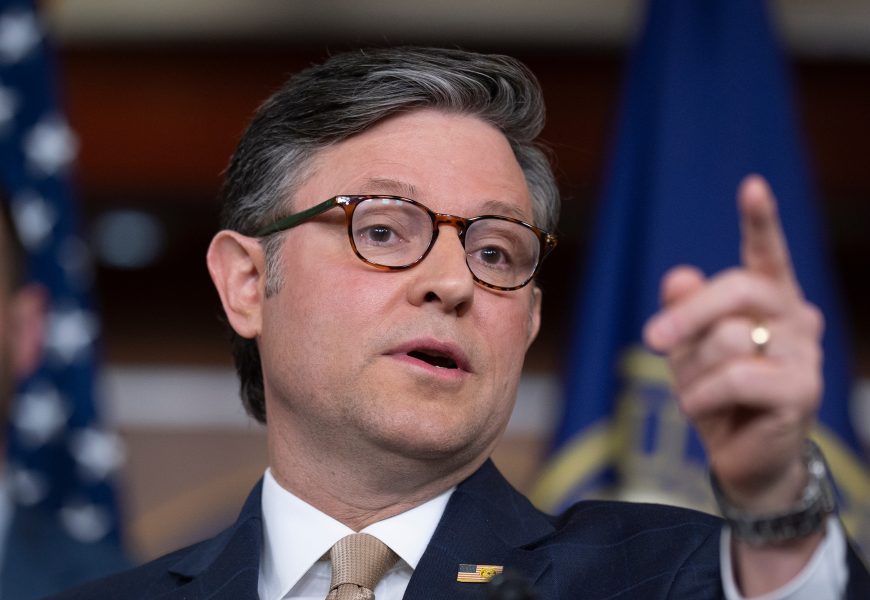

WASHINGTON (AP) - The Republican-controlled House is moving forward with a three-year reauthorization of a divisive U.S. surveillance program ahead of its expiration on Friday, adding new oversight measures but stopping short of the warrant requirement that critics have demanded.
The bill still faces an uncertain path to passage, with a sign-off needed from the Senate and President Donald Trump. But Republican leaders cleared a major procedural hurdle for the first time Wednesday after weeks of struggle.
"Two-thirds of the president's daily national security briefing comes from intelligence collected by that statute," Speaker Mike Johnson said about the program. "We cannot allow it to go dark."
A vote is expected on Wednesday afternoon after Johnson secured the support of several Republican holdouts to advance the bill. The procedural vote was a breakthrough for Republican leaders who earlier this month staged a hectic late-night effort to extend the surveillance program, only to see multiple bills fail on the floor.
Out of options, Republicans settled on a short-term extension through April 30 to work on a solution.
The debate centers on a provision of the Foreign Intelligence Surveillance Act, or FISA, that allows the CIA, National Security Agency, FBI and other agencies to collect and analyze communications from foreign targets without a warrant. In doing so, the agencies can incidentally sweep up communications involving Americans who interact with foreign targets, an element of the program many lawmakers find unacceptable.
"The intel community always just comes in and says, 'People will die if you do this,'" Republican Rep. Chip Roy said Tuesday, arguing in favor of a warrant requirement. "Well, I'm sorry. A lot of Americans died to give us and protect that Fourth Amendment right that we don't have government looking at our stuff."
The House bill does not include the warrant requirement. Instead, it would impose new oversight measures, including a monthly civil liberties review of U.S. person queries by an official within the Office of the Director of National Intelligence, with any violations referred to the Intelligence Community's inspector general.
The bill would also create criminal penalties for officials who knowingly misuse the system or falsify compliance, order a government audit of targeting practices and require new procedures to expand congressional access to FISA court proceedings.
Trump, along with CIA Director John Ratcliffe and FBI Director Kash Patel, had originally pushed for an 18-month extension of the program with no changes.
Although Senate Majority Leader John Thune said he has been in contact with Johnson throughout the process, the next steps are uncertain if the bill clears the House.
One obstacle is that House Republicans are linking the surveillance renewal with separate legislation banning a central bank digital currency - a proposal Thune has said would be "dead on arrival" in the Senate.
Oregon Sen. Ron Wyden, a longtime advocate for FISA reform, said the deal the House is working on is "deeply flawed," but declined to say whether he would support an extension.
Thune on Wednesday floated another short-term extension of the program while lawmakers figured out final details. He said a 60-day extension "could be a landing spot."
More Top Stories