°C
°C
 5
Min
5
Min
PARIS (AP) – After months of pressure, the Louvre has a new director.
What to know as the Louvre gets a new chief after a surprise resignation and a bruising year
PARIS (AP) - After months of pressure, the Louvre has a new director.
Christophe Leribault was named to lead the landmark on Wednesday, half a day after the resignation of previous director Laurence des Cars. The leadership change at the world's most-visited museum comes after the October crown jewels heist and a string of failures that battered confidence in one of the country's most prized institutions.
The rapid handover is meant to restore order at a museum hit by a punishing run of crises: the heist, labor unrest, water leaks, aging infrastructure and a suspected, decade-long $12 million ticket fraud scheme.
It also protects a politically loaded project for President Emmanuel Macron, who has made the Louvre overhaul a signature cultural legacy plan as he eyes the end of his term next year.
The government cast Leribault, a veteran museum director, as the steady hand for a battered institution, with responsibility for both the Louvre's security overhaul and its modernization.
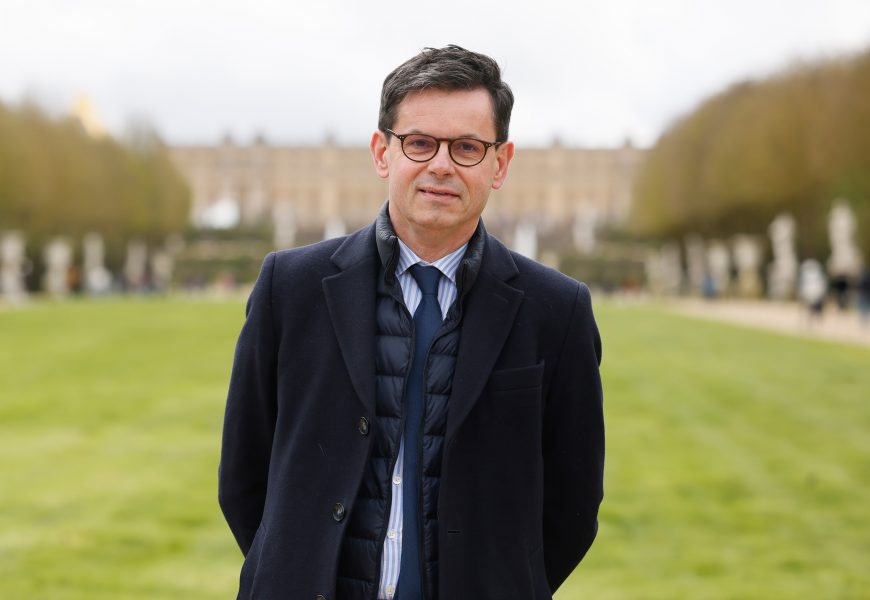
An 18th-century specialist trained at the École du Louvre, Leribault has led France's biggest museums, including the Petit Palais and the Musée d'Orsay.
He most recently ran Versailles, one of France's biggest heritage sites, with heavy visitor traffic and an annual budget of about 170 million euros ($200 million).
His résumé makes him a crisis-era choice: a curator-administrator shaped by France's museum system and used to public scrutiny, large crowds and the mechanics of state cultural power.
Des Cars was not just any museum chief. Appointed in 2021, she became the first woman to lead the Louvre - a symbolic break at a palace built for kings.
For many in France's cultural world, her departure finally answered the question that had hung over the Louvre since the heist: How could a breach of that scale happen at one of the country's most symbolic institutions and no top official fall?
Macron's office accepted her resignation as an "act of responsibility," while saying the museum now needs calm and fresh momentum for security and modernization projects.
On Tuesday, she told Le Figaro that she had become a lightning rod and could no longer carry out the museum's transformation in the same institutional climate.
The 88 million-euro ($102 million) jewels heist was the trigger, but not the whole story.
Labor unrest, leaks, aging infrastructure and a separate ticket-fraud scandal had already left the Louvre looking, in Paris and beyond, like a famous institution losing control of the basics.
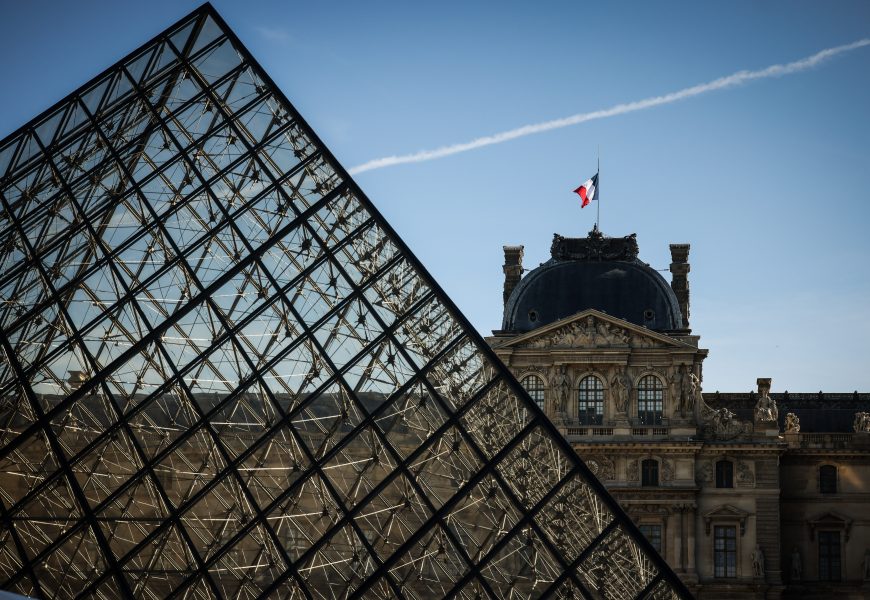
A wildcat strike in June stranded visitors outside the pyramid and laid bare worker anger over overcrowding, understaffing and other conditions.
In a rare interview with The Associated Press just days before des Cars' resignation, the Louvre's No. 2, general administrator Kim Pham, called fraud at a museum of this scale "statistically inevitable," while also acknowledging shortcomings and saying controls had been tightened.
He cited the scale: 86,000 square meters, 35,000 works on display and about 9 million visitors a year.
Privately, Louvre officials and others in France's museum world make a blunter point: Old stone buildings leak.
The Louvre is that problem multiplied by a thousand - a medieval-to-modern palace complex in the middle of a dense capital, not a contained site on the outskirts.
Pham made that argument in more diplomatic terms, describing the Louvre as a historic building with "many historical layers" dating back to the start of the 13th century.
The Louvre sits in central Paris, with tourist pressure, traffic, multiple access points and the daily wear that comes with being both monument and mass destination.
As Macron heads toward the end of his time in office - his final term ends next year - the Louvre overhaul has become his signature cultural project - his version of the big museum-and-monument gambles French presidents are often remembered for.
He announced the "Louvre New Renaissance" plan in January 2025, a project now expected to cost about 1.15 billion euros ($1.36 billion), according to the French state auditors.
It includes a new entrance near the Seine, new underground spaces, and a dedicated room for the "Mona Lisa" with timed access to ease the crush around the painting and improve visitor flow.
In France, presidents are often linked to major cultural works - Georges Pompidou with the Centre Pompidou, François Mitterrand with the national library, Jacques Chirac with the Quai Branly museum.
The Louvre is Macron's project on that scale.
That is one reason some in France's cultural world openly speculated why des Cars did not leave in October, right after the heist, even after offering her resignation: Macron had so much riding on the Louvre plan that an immediate departure risked making his flagship cultural project look like it was collapsing.
A key question is how far the museum has come in fortifying its security, and the answer is: not far enough or fast enough.
Findings of the French state auditor said the Louvre's security overhaul is not expected to be completed until 2032, according to French media reports. The reports say that as of 2024, less than 40% of the museum rooms were equipped with cameras.
There have been concrete moves since the theft. Extra measures, including anti-intrusion devices and anti-vehicle barriers, were put in place by the end of 2025.
Des Cars also told lawmakers in November that the Louvre would install 100 external cameras by the end of 2026 and tighten coordination with police, including a police station within the Louvre estate.
More Top Stories