°C
°C
 5
Min
5
Min
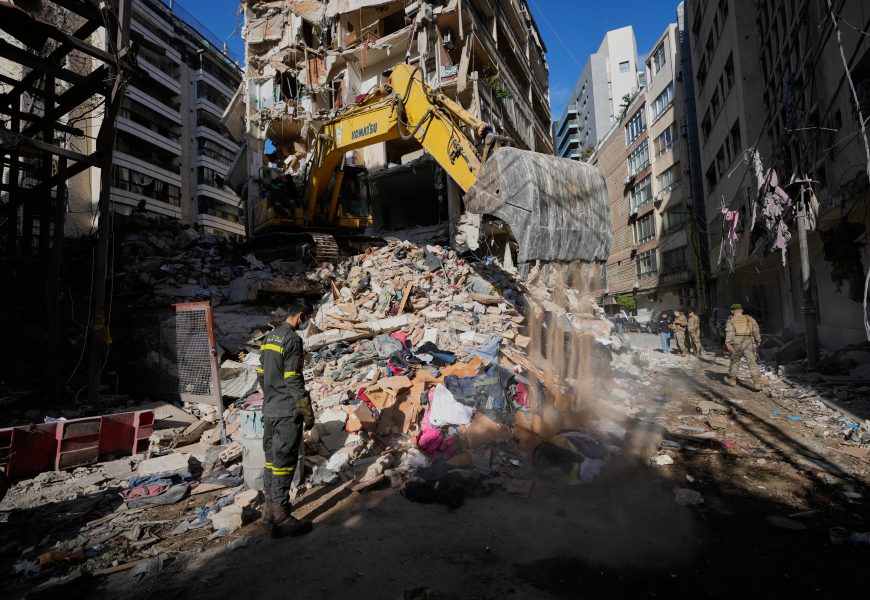
BEIRUT (AP) – In the hours after the U.S. and Iran announced a tentative ceasefire, Israel dramatically escalated its attacks in Lebanon against the Iran-backed militant group Hezbollah. The burst of strikes in central Beirut and other parts of the country killed over 300 people and wounded 1,150, according to health officials.
What to know about the ongoing war between Israel and Hezbollah in Lebanon
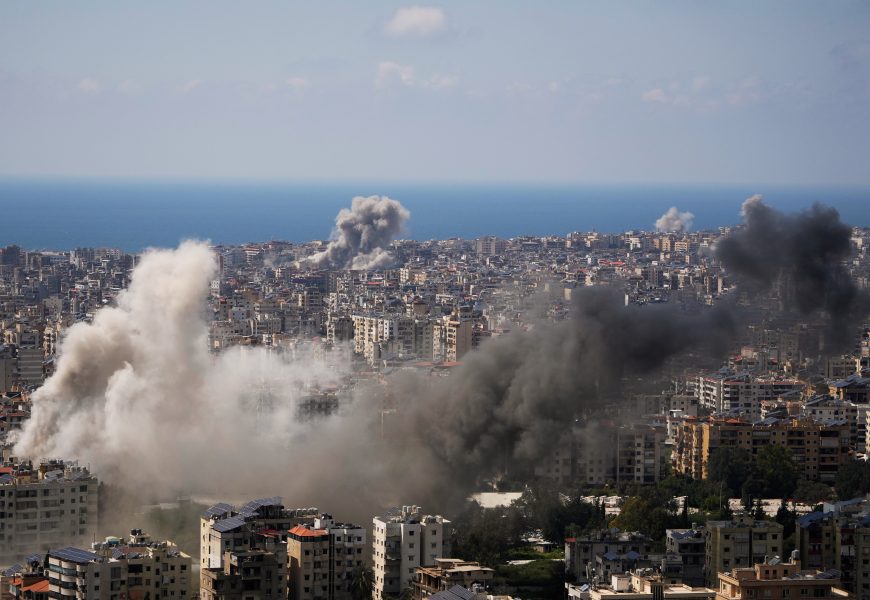

BEIRUT (AP) - In the hours after the U.S. and Iran announced a tentative ceasefire, Israel dramatically escalated its attacks in Lebanon against the Iran-backed militant group Hezbollah.
The burst of strikes in central Beirut and other parts of the country killed over 300 people and wounded 1,150, according to health officials.
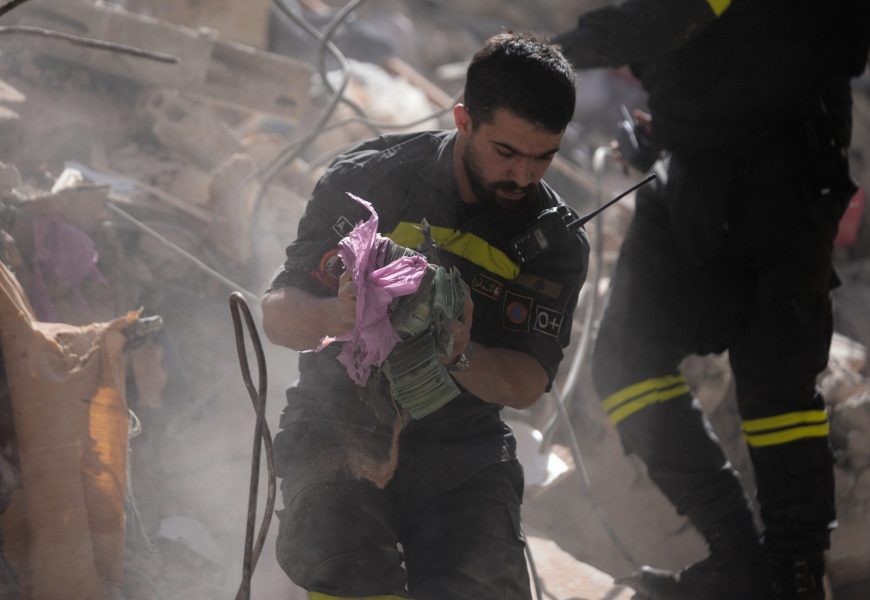
The Israeli military said it had targeted sites affiliated with Hezbollah and announced that it had killed an aide to the group's leader, Naim Kassem. But the strikes, which hit densely packed residential and commercial districts at rush hour, also killed more than 100 women, children and elderly, according to health officials.
Hezbollah retaliated to the heavy strikes - which prompted an international outcry - by launching missiles into in Israel, though no serious casualties have been reported.
The latest war between Israel and Hezbollah erupted after the U.S. and Israeli launched a war against Iran in late February. Since the ceasefire announced by U.S. and Iran earlier this week, a heated debate has ensued over whether it applies to the fighting between Israel and Hezbollah; Iran says it does, while the U.S. and Israel say it does not.
Israel and Hezbollah have fought multiple wars since the militant group was formed in the 1980s as a guerrilla force resisting Israel's then-occupation of southern Lebanon.
On March 2, two days after Israel and the U.S. attacked Iran, Hezbollah launched missiles toward Israel. It said the salvo was in retaliation for the killing of Iranian Supreme Leader Ayatollah Ali Khamenei and for "repeated Israeli aggressions" in Lebanon.
The resumption of fighting came 15 months after a U.S.-brokered ceasefire halted their previous war. That conflict started a day after the deadly Oct. 7, 2023, Hamas-led attack on southern Israel.
Hezbollah, an ally of Hamas, began firing on Israel after it launched its blistering counteroffensive against Hamas in Gaza. What began as a low-level conflict along the Israel-Lebanon border region erupted into a full-scale war in September 2024.
After a ceasefire was reached in November 2024, Israel kept up near-daily airstrikes in Lebanon, saying it aimed to stop Hezbollah from regrouping. Israeli troops also continued to occupy five hilltops on the Lebanese side of the border.
Hezbollah, meanwhile, was under domestic and international pressure to surrender its remaining arsenal. The group stayed largely quiet and didn't enter the fray during last summer's 12-day war between Israel and Iran. Many believed that the group was too weakened to fight after suffering heavy losses in the 2024 conflict and so were surprised when it entered the war following U.S.-Israeli attacks on Iran.
As of Thursday, 1,888 people had been killed and more than 6,092 had been wounded by Israeli strikes in Lebanon since March 2, according to the country's health ministry. It is not clear how many of those were civilians, but they include hundreds of women, children and health workers. Wednesday's strikes killed 30 children, 71 women and nine people over the age of 65, the health ministry said.
More than 1 million people have been displaced in Lebanon. Israel has issued a series of blanket warnings for residents to leave wide swaths of the country, often followed by bombardment of those areas. Many are sleeping in cars, on the streets or in overcrowded schools turned into shelters.
Israeli officials say Hezbollah has launched thousands of missiles and drones across the border but that most have been intercepted or fallen in open areas. The Israeli army says 12 soldiers have been killed in southern Lebanon and more than 400 wounded.
There have also been a small number of civilian fatalities in northern Israel, including one man killed by a rocket strike and another who was accidentally killed by Israeli army artillery fire during fighting along the border. The steady stream of missiles and drones has residents on edge in northern Israel. Many are angry that the government hasn't offered to pay to evacuate them as it did during the last war.
The Israeli army has also launched a ground invasion of southern Lebanon. Fierce battles have erupted with Hezbollah militants in the border area and U.N. peacekeeping forces have at times been caught in the middle; three members of the U.N. force have been killed.
Some Israeli officials have called for their military to occupy southern Lebanon up to the Litani River, about 30 kilometers (20 miles) north of the border. Israeli forces have demolished homes in villages along the border line. Many displaced Lebanese fear that Israel plans to create a depopulated buffer zone and they will never be able to return to their homes.
Lebanese officials have sought to directly negotiate with Israel to halt the fighting. On Thursday, Israeli Prime Minister Benjamin Netanyahu said Israel had agreed to enter into talks that would focus on disarming Hezbollah and a possible peace deal.
When the U.S. and Iran announced a tentative ceasefire agreement Wednesday, Pakistan's prime minister, whose country served as a mediator, said in a social media post that it applied to "everywhere including Lebanon." Iranian officials also insist the deal includes Lebanon. But the U.S. and Israel are adamant it does not.
Hezbollah has said it will not abide by the ceasefire unless Israel does.
Joe Macaron, a Middle East analyst, said the ensuing negotiations will be "a test of how much the Iranian regime is committed to help Hezbollah." It is unlikely Israel will agree to - or be forced by the U.S. to accept - a full ceasefire and withdrawal from Lebanon, he said.
While the U.S. might pressure Israel to halt strikes in central Beirut, a "long war of attrition" is likely to unfold between Israel and Hezbollah in the south, he said. The Israeli military isn't capable of controlling the entire area south of the Litani River, Hezbollah isn't capable of forcing Israeli troops out of southern Lebanon, and neither Israel nor the Lebanese state can forcibly disarm the group, he said.
The only resolution will have to be a negotiated settlement, Macaron said.
More Top Stories