°C
°C
 4
Min
4
Min
WASHINGTON (AP) – A federal judge is considering whether to set aside a Trump administration order pausing construction on a major offshore wind farm for New York, which the developer says could mean the death of a project that’s 60% complete.
Trump’s freeze of an offshore wind project faces scrutiny from a judge he appointed

WASHINGTON (AP) - A federal judge is considering whether to set aside a Trump administration order pausing construction on a major offshore wind farm for New York, which the developer says could mean the death of a project that's 60% complete.
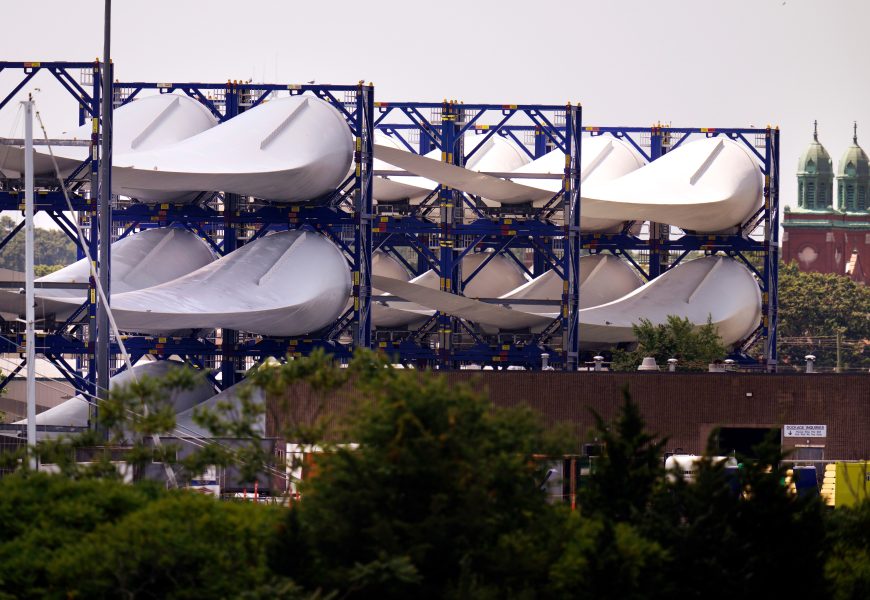
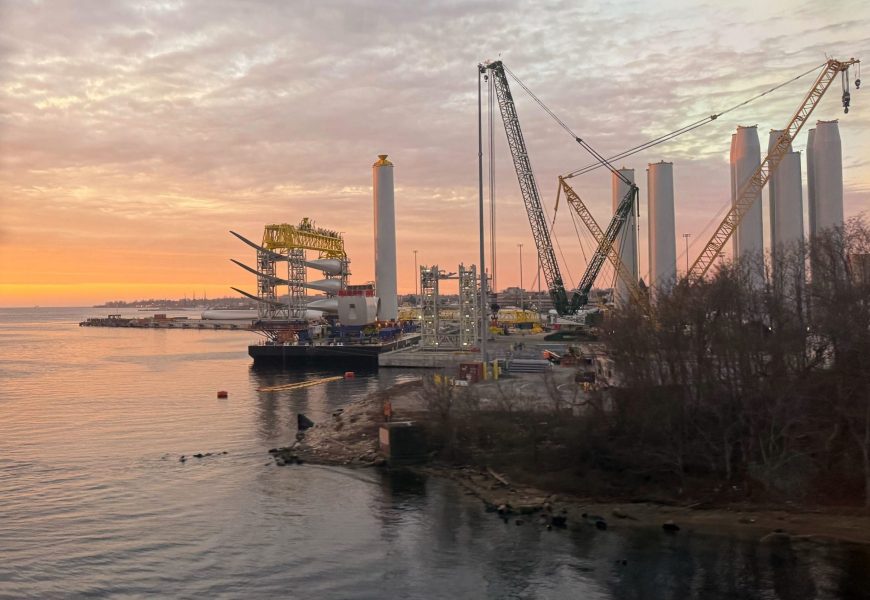
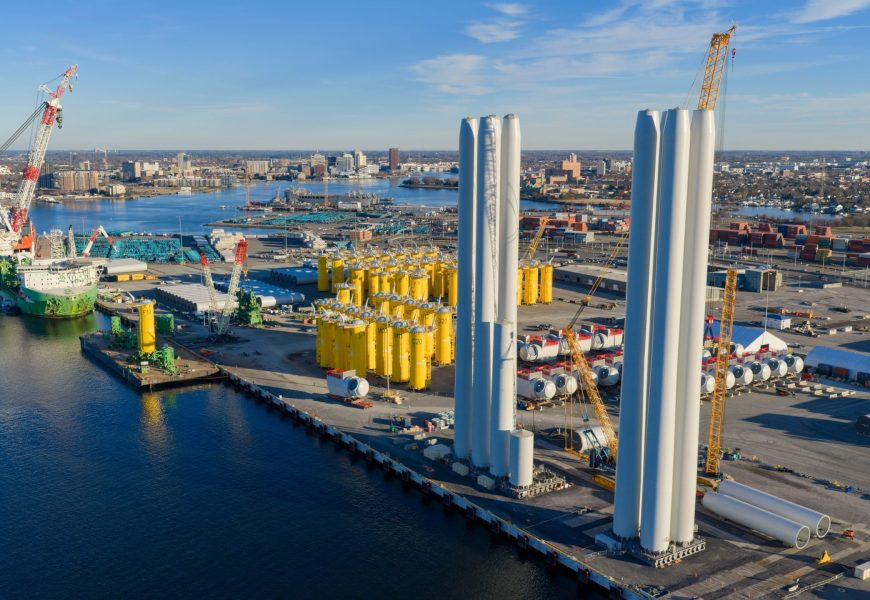
The Empire Wind project is designed to power more than 500,000 homes. Norwegian company Equinor said the project was in jeopardy due to the limited availability of specialized vessels, as well as heavy financial losses. It's one of five big offshore wind projects on the East Coast that the administration froze days before Christmas, citing national security concerns. Developers and states have sued seeking to block the order.
The case was heard Wednesday by District Judge Carl J. Nichols, an appointee of President Donald Trump. Nichols ended the hearing without ruling, saying he needed to think about it but would decide very quickly. Nichols had a lengthy discussion with the Empire Wind attorney about the possibility of issuing an order that would allow construction to continue, while he considered in-depth arguments over the merits of the case.
Nichols sharply questioned the government for not responding to key points in Empire Wind's court filings, like the accusation the Trump administration didn't follow the right procedures and acted arbitrarily.
"Your brief doesn't even include the word arbitrary," the judge said. When the government said they were still contesting Empire Wind's arguments on these points, Nichols responded, "This is not the way we do things."
The government filed their national security reasoning in secret for Nichols to review. The administration hasn't publicly revealed specifics about the national security concerns, and at least one expert says the offshore projects were permitted following years of careful review that included the Department of Defense.
Equinor's hearing is the second of three for these legal challenges this week; on Monday, a judge ruled that a project serving Rhode Island and Connecticut could resume.
Trump has targeted offshore wind from his first days back in the White House, most recently calling wind farms "losers" that lose money, destroy the landscape and kill birds.
The administration's stance against offshore wind and renewable energy more broadly runs counter to dozens of other countries. Nearly all of the new electricity added to the grid in 2024 was renewable.
The British government said Wednesday that it secured a record 8.4 gigawatts of offshore wind in Europe's largest offshore wind auction to date, enough clean electricity to power more than 12 million homes. It said that as Britain races to cut bills and meet growing energy demand, the price for offshore wind agreed to in the auction is 40% cheaper than the cost of building and operating a new gas power plant.
Molly Morris, Equinor's senior vice president overseeing Empire Wind, said federal officials have not given them any explanation of the national security concerns or how to mitigate them.
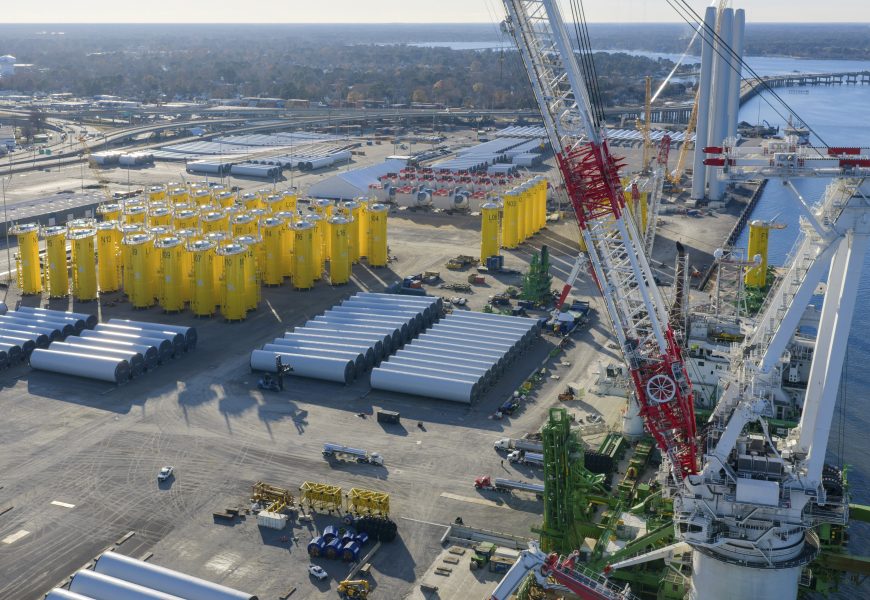
A specialized heavy lift vessel, Heerema's Sleipnir, must begin lifting the topside to the project's offshore substation off the transport ship and onto its foundation because the Sleipnir is scheduled to depart by Feb. 1 for other commitments, Morris said. The topside weighs more than 3,000 tons and there are few specialized offshore wind installation ships in the world. Equinor's limited liability company has spent about $4 billion to develop and construct the project.
"We have been clear and consistent that we are ready to address any additional security concerns that were not already addressed through our lengthy engagement with various defense agencies," Morris said.
Monday's hearing was in the same federal court, with Danish energy company Orsted prevailing. A judge ruled that work on its project, called Revolution Wind, can resume while the administration considers ways to mitigate its national security concerns. Revolution Wind is nearly complete.
After that hearing, White House spokesperson Taylor Rogers said the pause is meant to protect the national security of the American people, and "we look forward to ultimate victory on the issue."
The Trump administration paused leases for the Vineyard Wind project under construction in Massachusetts, Revolution Wind, Coastal Virginia Offshore Wind, and two projects in New York: Sunrise Wind and Empire Wind. New York's attorney general sued the Trump administration on Friday over Empire Wind and Sunrise Wind. The administration previously halted work on both Empire Wind and Revolution Wind.
Related Stories
More Top Stories