°C
°C
 2
Min
2
Min
Norfolk Southern’s quarterly profit slipped 12% amid the uncertain economy as well as unusual costs related to its efforts to merge with Union Pacific in an $85 billion deal that would create a transcontinental railroad.
Norfolk Southern’s profit slips 12% amid merger costs and economic uncertainty
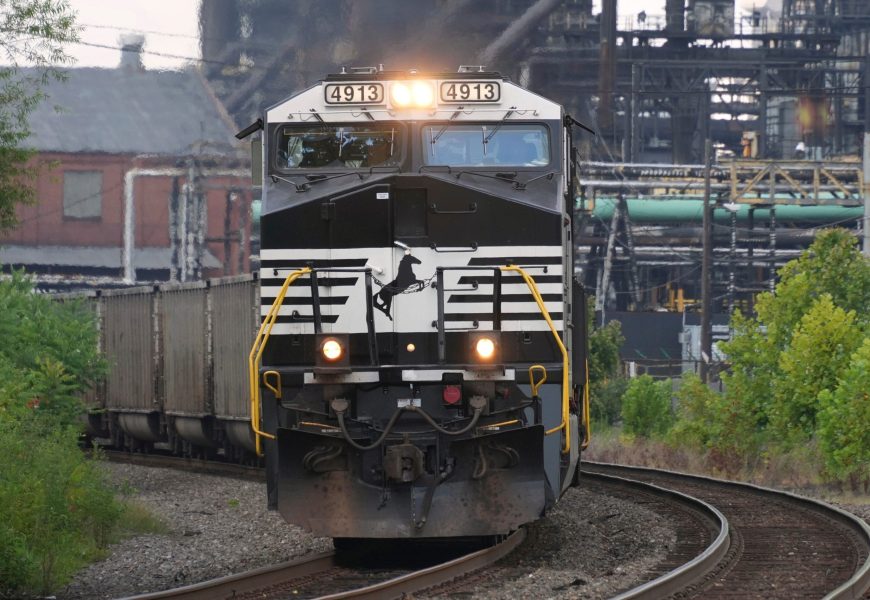
Norfolk Southern's quarterly profit slipped 12% amid the uncertain economy as well as unusual costs related to its efforts to merge with Union Pacific in an $85 billion deal that would create a transcontinental railroad.
Norfolk Southern said it made $644 million, or $2.87 per share, in the fourth quarter. That's down from $733 million, or $3.23 per share, a year ago. But both results were affected by one-time charges. This year, the merger added $58 million in costs and the 2023 East Palestine, Ohio, derailment added another $23 million.
Excluding that, the Atlanta-based railroad said it would have made $725 million, or $3.22 per share. But even the bottom-line number is better than the $2.78 per share that the analysts surveyed by FactSet Research had predicted.
CEO Mark George said Norfolk Southern is focused on improving efficiency while it works with UP to draft a merger application the Surface Transportation Board will consider. Regulators rejected the railroads' initial application because they want more details. Norfolk Southern said it recorded $215 million in annual productivity savings last year.
"In 2025, we strengthened the foundation of our railroad. We kept our cost commitments, maintained reliable service, and delivered measurable safety gains with the company's best injury and accident rates in more than a decade," George said.
Norfolk Southern is one of the largest freight railroads in the country with operations in the eastern U.S. If it is able to join with Union Pacific in the middle of the country the combined railroad would have more than 50,000 miles of track in 43 states with connections to major ports on both coasts. But the deal faces a lengthy regulatory review and some shippers, competitors and unions have already started to come out on both sides.
More Top Stories