°C
°C
 6
Min
6
Min
When they disintegrate, governments often do so slowly, then quickly. Despite dragooned public statements of support from the cabinet, the government of Keir Starmer gives every appearance of entering that second phase. In the wake of the scandal surrounding former Washington ambassador Peter Mandelson and his ties to deceased sex offender Jeffrey Epstein.
Keir Starmer on the ropes as Scottish party leader calls for his resignation
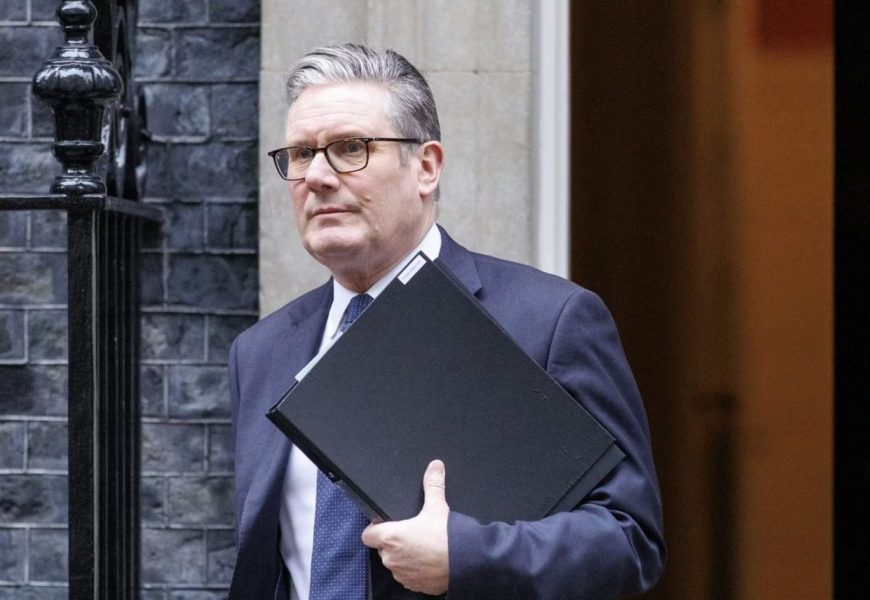
When they disintegrate, governments often do so slowly, then quickly. Despite dragooned public statements of support from the cabinet, the government of Keir Starmer gives every appearance of entering that second phase.
In the wake of the scandal surrounding former Washington ambassador Peter Mandelson and his ties to deceased sex offender Jeffrey Epstein, Starmer lost his chief of staff Morgan McSweeney, who had championed Mandelson for the role. Then the PM lost his press secretary, Tim Allan.
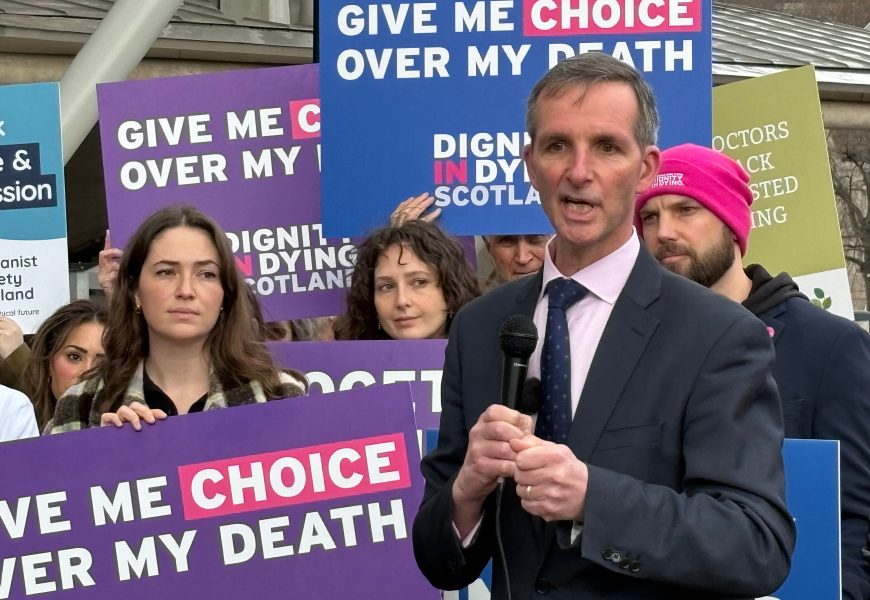
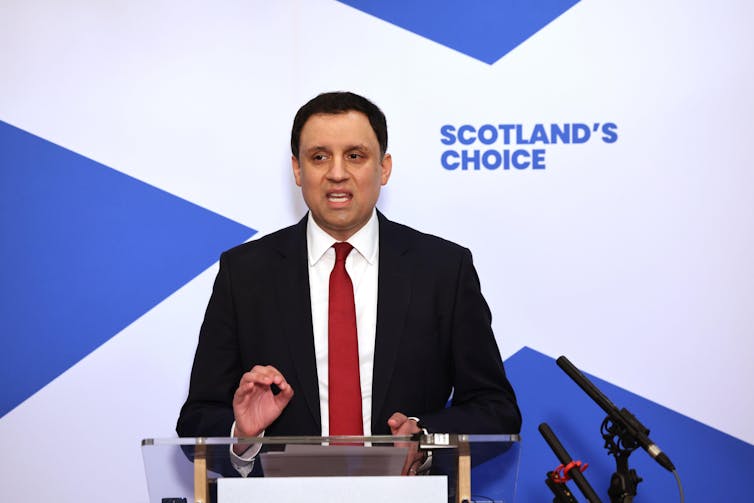
Then, in a live press conference, he lost the leader of the Scottish Labour party, Anas Sarwar. Eighteen months ago, Starmer could not have been closer to Sarwar. Now he has cut his national leader adrift and called for Starmer to resign.
Sarwar is not in Westminster. Sarwar has to fight an election in Scotland in May, and Starmer and the Westminster Labour government has been a liability for Scottish Labour for over a year. Sarwar had to act to have any chance of mounting a challenge against the governing Scottish National Party in those elections.
Sarwar's actions may be be the most impactful, owing to the political momentum he has now so dramatically accelerated. But McSweeney's resignation is the more significant development. The last line of defence for a prime minister is their chief of staff, and Sweeney was much more than that.
Party leaders and prime ministers have come not to be able to live without them, but so often are forced to. The chief of staff is part human, part metaphor: a conduit, a pressure valve, a lightning rod.
When forced out, their principal rarely lasts long, albeit as much for the related erosion of their authority as prime minister as in what that chief of staff may personally have provided. But McSweeney, a brilliant electoral tactician and party organiser with no experience of government, was also in the wrong job. And Starmer put him there.
The Mandelson scandal
Much of what is taking place is what takes place when governments are old, or infirm, but much is also new, or at least new in effect. To write a rudimentary historical political equation: Marconi plus Profumo equals Mandelson.
The 1912 Marconi scandal revolved around shady share dealing on the part of those around the chancellor of the exchequer, David Lloyd George. The 1963 Profumo affair involved the minister for war sharing his bed with a woman who also shared hers with the Russian naval attache - and in the year of the Cuban missile crisis.
Marconi remains the most serious financial scandal in modern British politics, though Lloyd George survived. John Profumo resigned, but for lying to MPs. No secrets were divulged, but the political establishment was discredited, and the lives of young women were ruined. The Mandelson scandal combines both, and to greater effect. And is still ongoing.
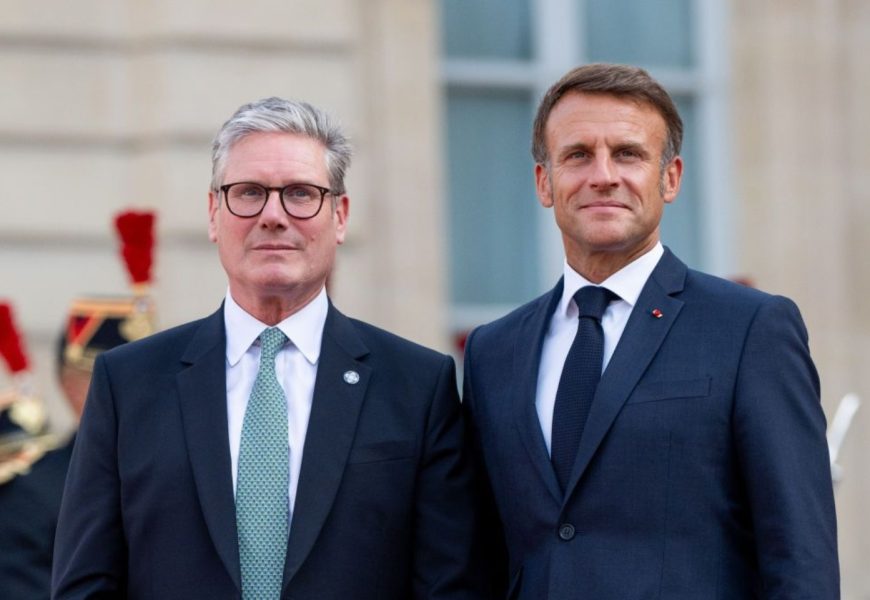
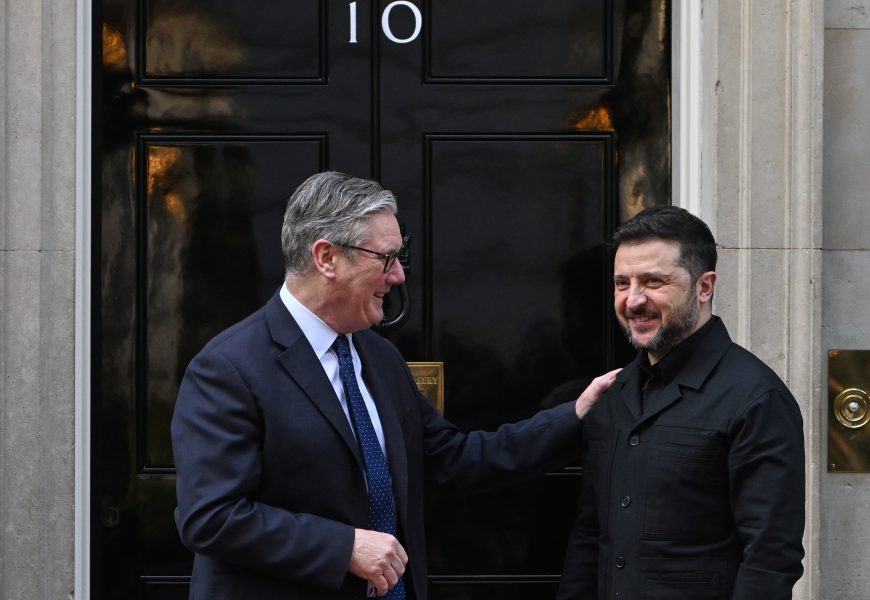
The effect of Epstein continues to corrode. Endless news channel recycling of footage of Starmer and Mandelson roaring with tactile laughter as they approach the cameras at the UK embassy in Washington DC only a year ago has become a visual backdrop to the crisis. The king is now routinely heckled in public over Epstein.
The end of the line?
The history of chiefs of staff is a short one. The first chief, indicative of the move to an increasingly presidential premiership, was Jonathan Powell, who served without personal controversy throughout Tony Blair's decade as prime minister. Fiona Hill and Nick Timothy provided the political smarts for (another politically dysfunctional) prime minister, Theresa May. They accepted responsibility for the disastrous 2017 general election, but only delayed May's defenestration.
Harold Wilson had his "kitchen cabinet", including Marcia Williams, Joe Haines and Gerald Kaufman, who damaged the prime minister by osmosis. Margaret Thatcher was too strong a leader to need one, though she had advisers she relied on.
This is potentially much more damaging for Starmer than for any of his predecessors. It is, almost as much if not more so, McSweeney's government as it is Starmer's, and Starmer himself is as much McSweeney's creation as much as he is his own man. It may have been significant that in his resignation statement McSweeney wrote: "I have always believed there are moments when you must accept your responsibility and step aside for the bigger cause."
The McSweeney project, born in opposition, was to reclaim the Labour party from the Corbynite left, and present it as a competent and moderate alternative to a chaotic and dysfunctional period of Conservative government. Starmer, effectively, was recruited for this job by McSweeney for that purpose. To that extent the 2024 general election revealed the project to have been completely successful. Hundreds of Labour MPs owed their election to McSweeney. But then, what next?
Starmer, as with Tony Blair and David Cameron, became prime minister without any experience of government. Unlike Blair or Cameron, however, he also had no serious experience of politics: hence his need for, and appointment of, McSweeney.

For Starmer, the prime minister is the monarch's first minister, first lord of the treasury, head of government, minister for civil service; the country's representative internationally. He has never fully appreciated that the prime minister is also a politician. If they are not, they will soon be found out.
Political skills are not sufficient, but they are necessary. Ted Heath did not have them either, but he at least knew about governing. Starmer was found out some time ago and now a concatenation of circumstance - Mandelson, Allan, Sarwar, the looming byelection in Gorton and Denton (a formally safe seat that Labour looks set to lose), the May elections in Scotland and Wales and in English councils - has provided the moment.
McSweeney's departure has probably clarified Starmer's fate - he has never been weaker. But there is still no obvious alternative. This may provide Starmer with the time during which he hopes personnel changes may help provide a reset.
If this is the end for Starmer, a serious and damaging pattern in British politics and public life will have been reinforced. Since David Cameron stepped down in 2016, no prime minister has lasted more than about three years. The impatience and intolerance of voters with the political classes has increased, and will only increase further.
Starmer's was always a dual leadership, and then premiership, held with someone who effectively saved him the trouble of thinking. He is now on his own.
TheConversation.com
Author: Martin Farr - Senior Lecturer in Contemporary British History, Newcastle University