°C
°C
 2
Min
2
Min
BANGKOK (AP) – Family members and activists have called for the release of imprisoned Chinese journalist Dong Yuyu due to health concerns. Dong, an editor at a major state-owned newspaper, the Guangming Daily, was taken away while meeting a Japanese diplomat for lunch in 2022.
Family of imprisoned Chinese journalist pleads for his release over health concerns
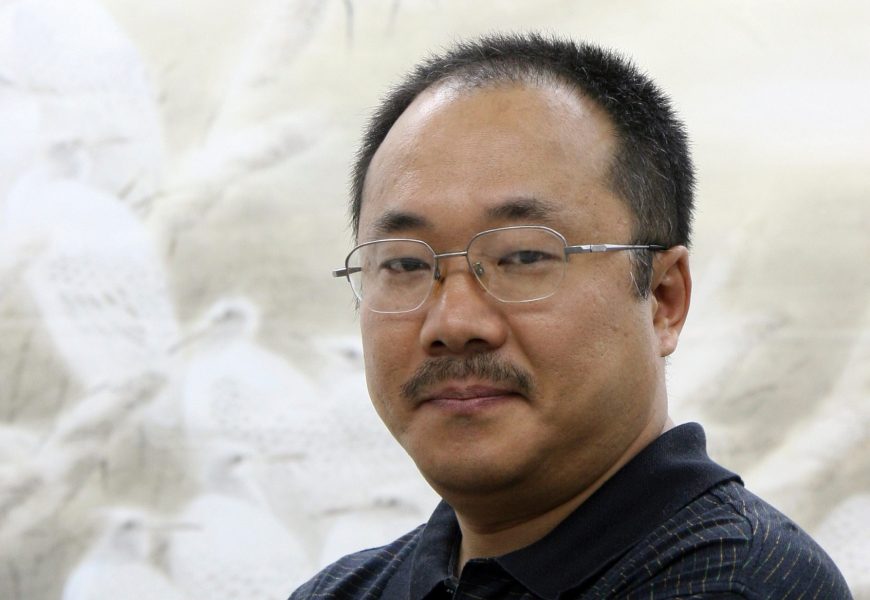

BANGKOK (AP) - Family members and activists have called for the release of imprisoned Chinese journalist Dong Yuyu due to health concerns.
Dong, an editor at a major state-owned newspaper, the Guangming Daily, was taken away while meeting a Japanese diplomat for lunch in 2022. He was sentenced to seven years in prison for espionage in 2024.
"Yuyu is now effectively facing a death sentence," the family said in a statement Thursday.
Dong was hospitalized at a prison-affiliated hospital in the city of Tianjin on April 27, according to his family. Doctors there found heart arrhythmia and a lung tumor his family feared was malignant.
He had been working long hours making clothes while in prison, and has not been able to rest properly, his family said.
"My mother and I are very sad and anxious," said Dong Yifu, the journalist's son, who has been advocating for his father's release and is based in the U.S.
"The international community must increase pressure on Beijing to secure his release on medical parole, as well as permission for him to travel abroad for treatment and reunite with his family," said Aleksandra Bielakowska, an activist with Reporters Without Borders, in a statement.
The family is hoping that his case will be raised by U.S. President Donald Trump's team at a summit with China's President Xi Jinping next week.
Dong worked for the state-backed Guangming Daily, based in Beijing, but he also wrote for other publications including Chinese magazines and The New York Times' Chinese-language website.
Some observers say he was one of the journalists who sounded early warnings about censorship under Xi's leadership. In 2013, he wrote a column in response to an incident where a provincial propaganda chief intervened in a newspaper and rewrote an editorial that called for constitutional reform. The censorship set off rare protests.
Dong wrote at the time that the incident was a "probing question about the direction of China's next stage of transformation."
Dong's public writings were informed by a liberal politics that is vanishingly rare in today's press environment in China. He wrote articles arguing for constitutional democracy, political reform and transparency in politics - view which were in the past allowed to circulate freely, but are now taboo.
More Top Stories