°C
°C
 12
Min
12
Min
The United States and Israel launched an attack Saturday on Iran, with the first apparent strike happening near the offices of Supreme Leader Ayatollah Ali Khamenei. Iranian media reported strikes nationwide, and smoke could be seen rising from the capital. President Donald Trump that the U.S. had begun “major combat operations in Iran.”
Israel’s defense minister says his country has attacked Iran and declares a state of emergency
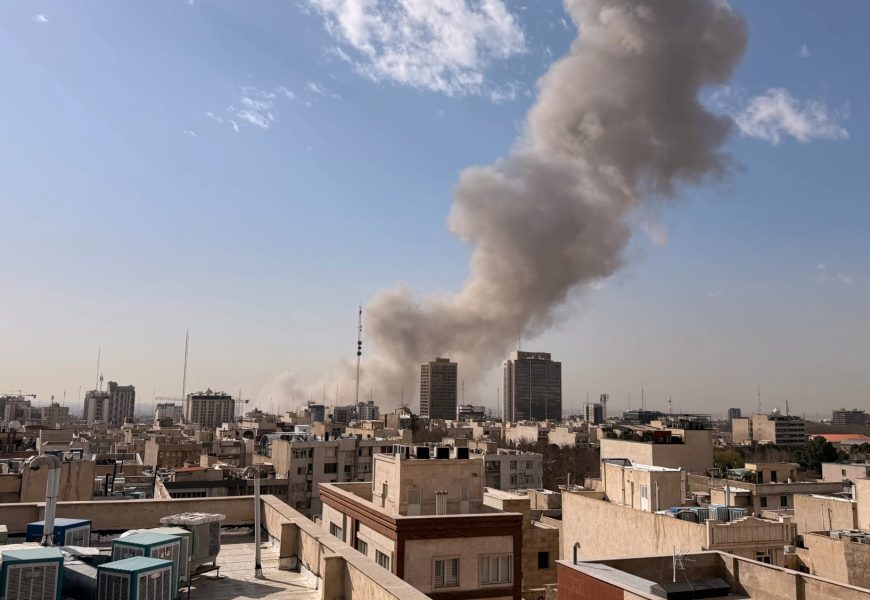

The United States and Israel launched an attack Saturday on Iran, with the first apparent strike happening near the offices of Supreme Leader Ayatollah Ali Khamenei.
Iranian media reported strikes nationwide, and smoke could be seen rising from the capital.
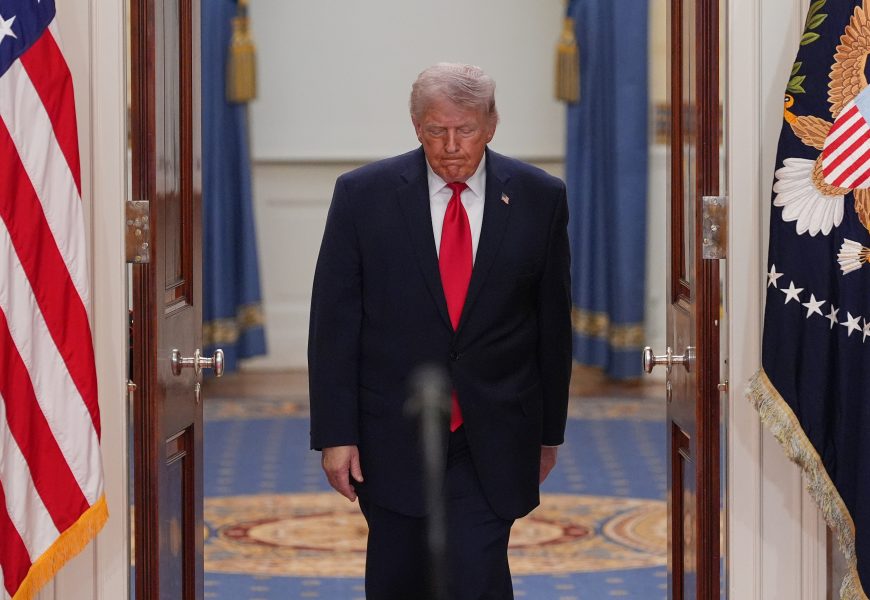
President Donald Trump said in a video posted on social media that the U.S. had begun "major combat operations in Iran." He claimed Iran has continued to develop its nuclear program and plans to develop missiles to reach U.S.
Here's the latest:
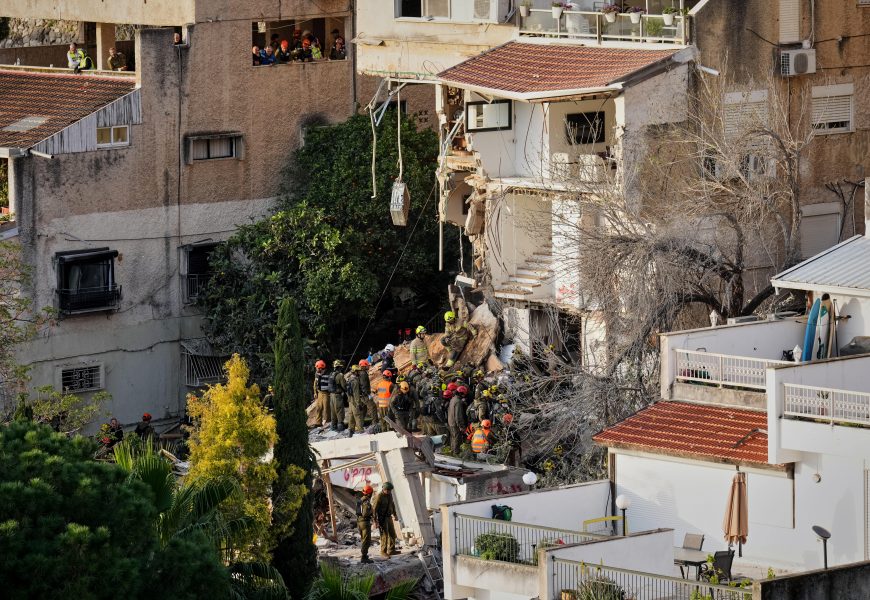
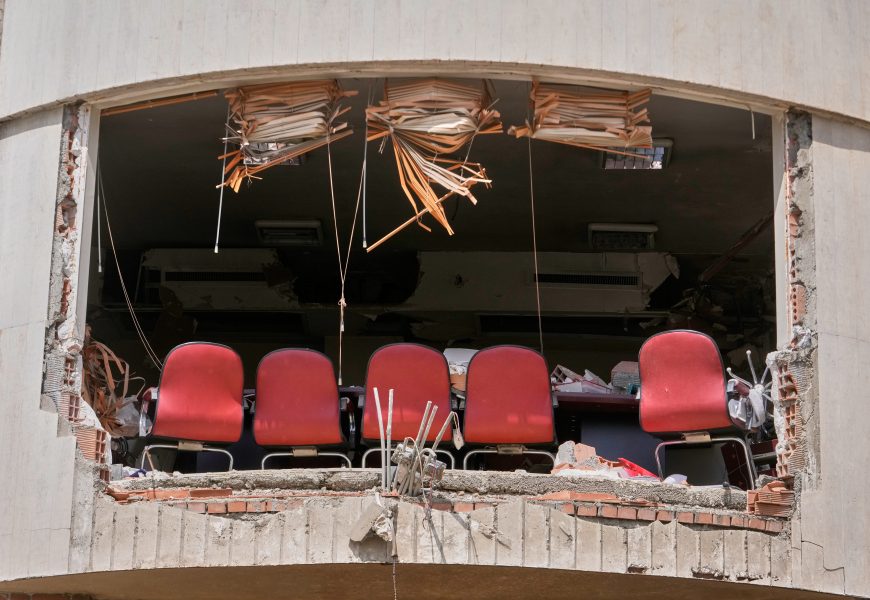
Israeli media showed images of damage to an apartment building in northern Israel, reportedly from impact with parts of an interceptor.
Israeli police said shrapnel fell in multiple sites. Rescue services said there were no known injuries from the missile barrages launched on all parts of the country.
The Israeli military issued a warning in Persian for the immediate evacuation of areas near weapons production and military facilities in Iran.
"Your presence in these locations puts your lives at risk," the military said on its Persian-language X account.
Iran's Foreign Ministry responded to the joint strikes Saturday, saying that the country "will not hesitate" in its response to the renewed military aggression.
"The time has come to defend the homeland and confront the enemy's military assault," the foreign ministry posted in a statement on X. "Just as we were prepared for negotiations, we have been even more prepared for defense at all times. The armed forces of the Islamic Republic of Iran will decisively respond to the aggressors with full authority."
Qatar's Defense Ministry says its military shot down several missiles before they reached its space. The ministry said the missile were dealt with as soon as they were detected "in accordance with the pre-approved security plan."
The Ministry of Defense emphasizes that the Qatari Armed Forces possess the full capabilities and resources to protect the country.
The U.S. strikes took place from both air and sea, according to a U.S. official who spoke on condition of anonymity to discuss ongoing military operations.
-
By Konstantin Toropin in Washington.
Explosions could be heard in Qatar on Saturday as Iran launched a counterattack over the joint U.S. -Israel campaign targeting the Islamic Republic. There was no immediate word of any damage.
Iran responded to the campaign as it had been threatening to do for months - it first launched a wave of missiles and drones targeting Israel. Then later, it began apparently targeting U.S. military installations in Kuwait and Qatar as explosions could be heard.
The early response from federal lawmakers to the U.S. government's bombarding of Iran largely revolved around their feelings about Trump.
Sen. Lindsey Graham, R-S.C., who has long pushed for regime change in Iran, called for God to bless Trump. He said on social media that the attacks could provide freedom for the Iranian people, saying, "This operation is necessary and long justified."
Sen. Ruben Gallego, D-Ariz., who was a Marine in the Iraq War, warned, "Young working-class kids should not pay the ultimate price for regime change and a war that hasn't been explained or justified to the American people."
Rep. Thomas Massie, R-Ky., who has emerged as an opponent of Trump, said the president had engaged in "acts of war unauthorized by Congress."
The United Arab Emirates has closed its airspace as Israel and U.S. conduct strikes on Iran.
The disruption will have a major effect on global air travel as the country is home to two major long-haul carriers, Emirates and Etihad.
Bahrain's state news agency says that several facilities were hit inside the kingdom as a result of "an aggression" from outside the country.
The agency called the attack "a flagrant violation of the kingdom's sovereignty and security," and said authorities in Bahrain are implementing "emergency measures."
"The kingdom of Bahrain strongly condemns this treacherous aggression that forms a direct threat to the kingdom and its citizens," it said.
In Qatar, warning alerts went off on mobile phones, urging people to take shelter.
Witnesses heard sirens and explosions in Kuwait, home to U.S. Army Central. There was no immediate word on any damage.
Strikes in Iran by Israel and the U.S. suggests "shaping actions" designed to degrade air defenses in a pattern typical of a wider military campaign, a Dutch intelligence firm said.
"The broader pattern suggests preparatory shaping actions," said Eric Schouten, CEO of Dyami security intelligence firm in the Netherlands. "This appears less like a symbolic strike and more like the opening phase of a coordinated campaign designed to establish air superiority and operational freedom of movement.
"Neutralizing radar systems, surface-to-air missile batteries, and command nodes would create more permissive conditions for sustained air operations over Iranian territory."
In Israel, the public was instructed to stay close to shelters. Streets were mostly empty as a series of sirens continued to sound for most of Saturday morning. Israel's main news programs shifted their broadcasts to bomb shelters as well.
Bahrain's state news agency says the service center of the U.S. 5th Fleet was subjected to a missile attack. The agency said it will give further details later.
Israel said the attack on Iran was carried out as a "broad, coordinated, and joint operation against the regime" that has been planned for months between the Israeli and U.S. militaries.
Associated Press journalists in Damascus and in the city of Sidon in southern Lebanon heard sounds of explosions Saturday, apparently as a result of Israeli air defenses intercepting Iranian missiles.
U.S. embassies or consulates in Qatar, the United Arab Emirates and Israel posted on social media that they told staffers to shelter in place and recommended all Americans "do the same until further notice."
Iranian state television aired footage of heavily damaged buildings in Tehran, with rescuers digging through the rubble, looking for survivors.
Iran's paramilitary Revolutionary Guard says it has launched its "first wave" of drones and missiles targeting Israel, suggesting it planned further attacks.
The U.S. Embassy in Qatar posted on social media that it told all personnel to shelter in place, adding that "we recommend all Americans do the same until further notice."
Qatar hosts a major air base that is the forward headquarters of U.S. Central Command and hosts thousands of American service members. Al Udeid Air Base was targeted by Iran in June in retaliation for the U.S. attacks on its nuclear facilities.
Trump on Friday began to voice a degree of frustration and impatience over the lack of satisfactory progress in negotiations to stop Iran's ability to develop nuclear weapons, after having stayed relatively cryptic on his plans earlier in the week.
"I'm not happy with the fact that they're not willing to give us what we have to have," Trump told reporters as he left the White House on Friday for Texas. "They cannot have nuclear weapons."
The president also said before the attack that there was a risk of a prolonged conflict with Iran.
But he declined to telegraph his intentions when asked about a possible strike, saying to reporters: "I'd rather not tell you."
The Iranian-backed Houthis in Yemen have decided to resume missile and drone attacks on shipping routes and on Israel in support of Iran. That's according to two senior Houthi officials, who spoke in condition of anonymity because there is no official announcement from the Houthi leadership.
One of the officials said the rebels' first attack could come as soon as "tonight."
The rebels ceased their attacks on the Red Sea shipping route as part of a deal with the Trump administration that also halted U.S. strikes against the Houthis. They also stopped their attacks against Israel after an October ceasefire that halted major fighting in Gaza.
-
By Samy Magdy, in Cairo.
Israeli Prime Minister Benjamin Netanyahu said the joint attack with the U.S. was to "remove an existential threat posed" by Iran.
"Our joint operation will create the conditions for the brave Iranian people to take their fate into their own hands," he said.
Iran currently has a self-imposed limit on its ballistic missile program, limiting its range to 2,000 kilometers (1,240 miles).
That puts all the Middle East and some of eastern Europe within reach. There is no public evidence of Iran seeking to have intercontinental ballistic missiles, though Washington has criticized its space program as potentially allowing it to one day.
Iran has also said it no longer enriches uranium, but it has blocked international inspectors from visiting the sites the United States bombed during the 12-day war in June.
Satellite photos analyzed by The Associated Press have shown new activity at two of those sites, suggesting Iran is trying to assess and potentially recover material there.
Ahead of the strikes, Trump built up the largest U.S. military presence in the Middle East in decades. The arrival of the aircraft carrier USS Abraham Lincoln and three guided-missile destroyers at the end of January bolstered the number of warships in the region.
The world's largest aircraft carrier, the USS Gerald R. Ford, and four accompanying destroyers later were dispatched from the Caribbean to head to the Middle East and are now in the Mediterranean.
The carriers and other ships have added more than 10,000 U.S. troops to the region. The military also has a variety of other troops in the Middle East, notably at Al Udeid Air Base in Qatar, which hosts thousands of service members.
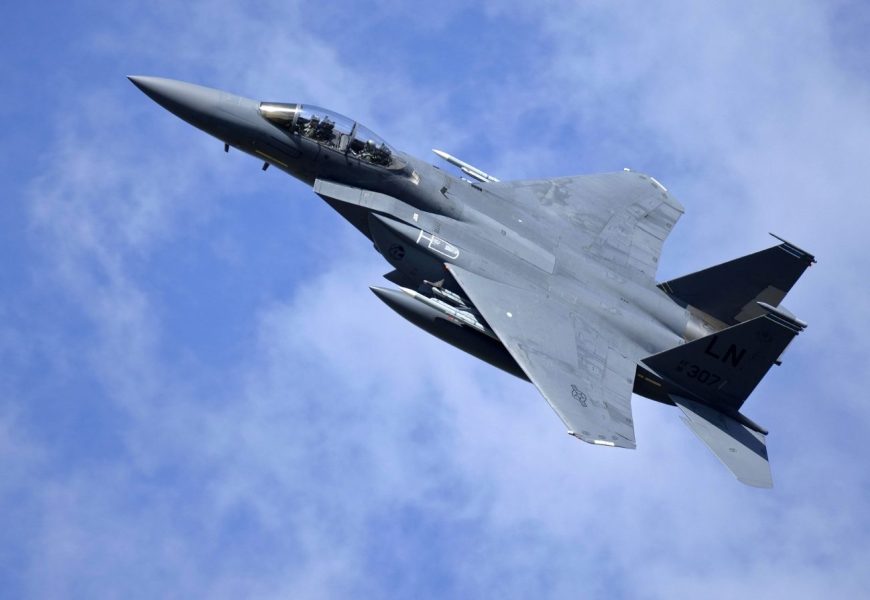
Plus, hundreds of fighter jets and other support aircraft necessary for launching a major attack on Iran have been sent to the region.
Explosions rocked northern Israel on Saturday as the country worked to intercept incoming Iranian missiles after launching a nationwide attack with the U.S. on Iran.
The blasts echoed just after the Israeli military said it would be using its air defense systems to bring down the Iranian fire.
There was no immediate word on any damage or casualties from the ongoing attack.
Sirens also sounded in Jordan.
Israel issued a nationwide warning Saturday after Iran reportedly launched missiles targeting the country.
The Israeli military said air defense systems would be activated to defend the country.
Trump acknowledged that the operations against Iran may lead to U.S. casualties.
"The lives of courageous American heroes may be lost, and we may have casualties," he said in a video posted to social media early Saturday morning. "That often happens in war."
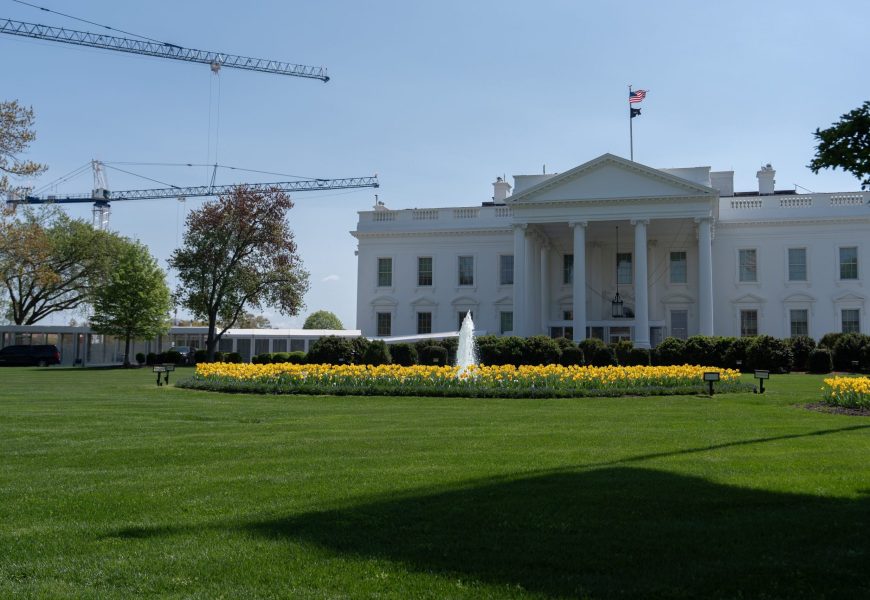
In the video, Trump wore a white baseball cap with the letters USA, a navy suit and white shirt with no necktie. There appeared to be a dark blue curtain behind him as the president announced the war in a video from Mar-a-Lago, his home and club in Palm Beach, Florida.
After the June attacks on Iran's nuclear sites, Trump said, "We warned them never to resume their malicious pursuit of nuclear weapons. And we sought repeatedly to make a deal. We tried."
He added that Iran "rejected every opportunity to renounce their nuclear ambitions, and we can't take it anymore."
Iran has said it hasn't enriched uranium since June, but it has blocked international inspectors from visiting the sites the United States bombed during the 12-day war then.
Satellite photos analyzed by The Associated Press have shown new activity at two of those sites, suggesting Iran is trying to assess and potentially recover material there.
Despite claims that last year's strike against Iran's nuclear facilities destroyed the country's nuclear program, Trump said that Iran "attempted to rebuild their nuclear program and to continue developing the long-range missiles that can now threaten our very good friends and allies in Europe, our troops stationed overseas, and could soon reach the American homeland."
Trump said that Saturday's strikes would be part of "a massive and ongoing operation" that will aim to "destroy their missiles and raze their missile industry to the ground" as well as "annihilate their navy," and "ensure that the region's terrorist proxies can no longer destabilize the region or the world and attack our forces."
Trump called the attacks on Iran "a noble mission," saying they were necessary because of Iran's pursuit of nuclear weapons and missile systems that could reach the U.S.
He called on Iranian officials to "lay down your arms" or "you will face certain death," and encouraged the Iranian people to "take over your government - it will be yours to take."
Iraq's Ministry of Transport said Saturday the country's airspace has been closed following airstrikes on neighboring Iran.
The ministry's spokesman, Mitham al-Safi, told state-run Iraqi News Agency that "the closure was preceded by the evacuation of all air traffic from Iraqi airspace."
Houthi vow to target Red Sea
The Iranian-backed Houthis in Yemen, meanwhile, vowed to resume missile and drone attacks on Red Sea shipping routes and on Israel in support of Iran, according to two senior Houthi officials. They spoke on condition of anonymity because there was no official announcement from the Houthi leadership.
One of the officials said the rebels' first attack could come as soon as "tonight."
The rebels have ceased their attacks on shipping route as part of a deal with the Trump administration that also halted U.S. strikes against the Houthis. They also stopped their attacks against Israel after an October ceasefire that halted major fighting in Gaza.
More Top Stories