°C
°C
 2
Min
2
Min
BUDAPEST, Hungary (AP) – Hungary’s parliamentary election will take place on April 12, with the country’s Prime Minister Viktor Orbán expected to face his toughest challenge in 16 years. President Tamás Sulyok announced the election date on Tuesday, urging people to vote. “One of the cornerstones of democracy is the right to vote freely,” he wrote on social media.
Hungary sets April 12 election date as Orbán faces tough challenge
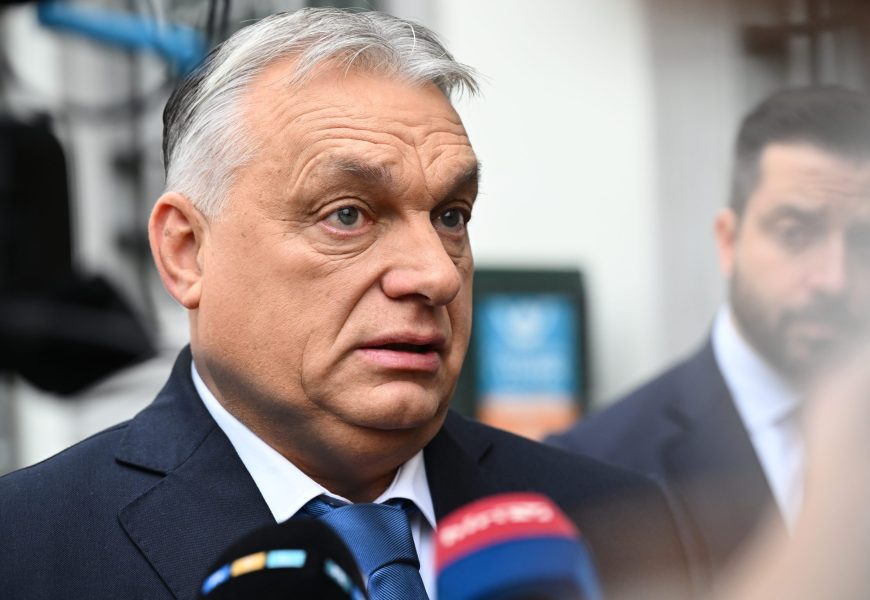

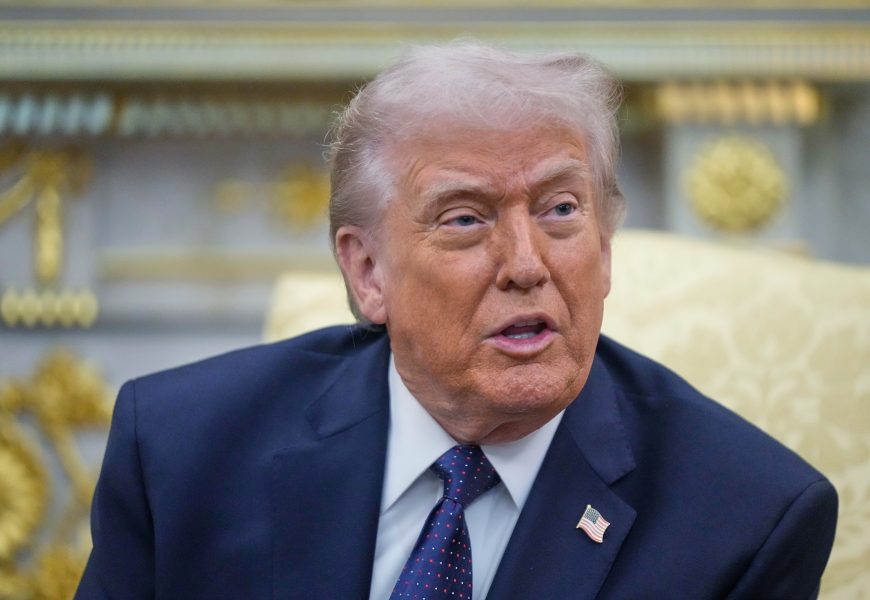
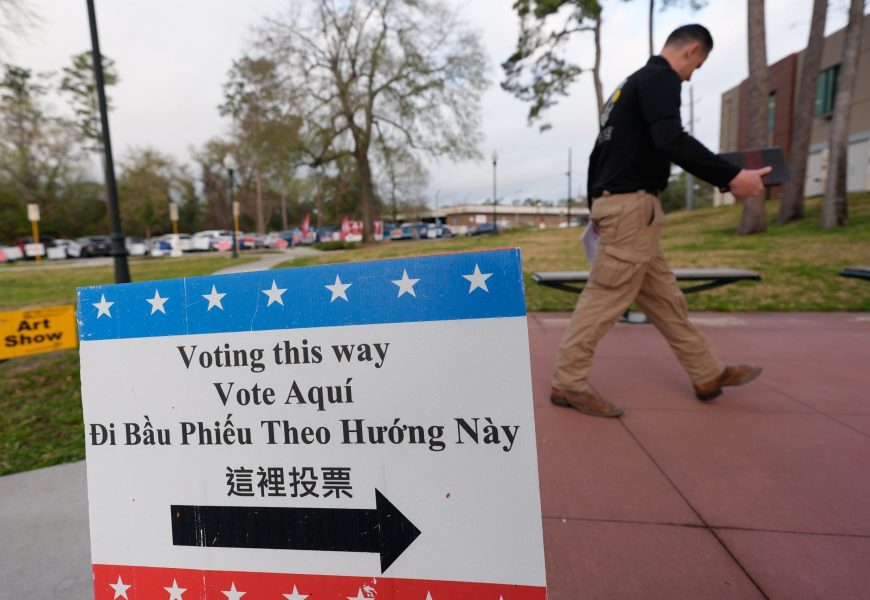
BUDAPEST, Hungary (AP) - Hungary's parliamentary election will take place on April 12, with the country's Prime Minister Viktor Orbán expected to face his toughest challenge in 16 years.
President Tamás Sulyok announced the election date on Tuesday, urging people to vote. "One of the cornerstones of democracy is the right to vote freely," he wrote on social media.
The announcement comes as Orbán and his nationalist-populist Fidesz party have been lagging behind the opposition Tisza party in most independent polls, the biggest disadvantage the prime minister has faced since taking office in 2010.
Tisza's leader, center-right lawyer Péter Magyar, 44, erupted onto Hungary's political stage less than two years ago and quickly built a political movement by embarking on nearly non-stop tours of the rural countryside and leveraging dissatisfaction with the country's chronically stagnant economy, high costs of living and fraying social services. Magyar has also promised to dismantle Orbán's system and put Hungary on a more prosperous, democratic track.
Orbán, the European Union's longest-serving leader, reentered office in 2010 after serving one term as prime minister between 1998 and 2002. He boasts of transforming the European country into an "illiberal democracy," and has centralized the country's institutions and taken control of much of the media. His critics accuse him of overseeing what they say is a widespread network of official corruption.
The nationalist premier and his party have framed the April election as a choice between war and peace, claiming that Tisza is nothing more than an EU project contrived in Brussels to topple his government and install a puppet regime that will drain Hungary's finances into the war in neighboring Ukraine and even involve it directly in the conflict.
Fidesz politicians and loyal media outlets have also accused Tisza of secretly plotting to raise taxes and institute draconian austerity measures, all claims the opposition party has strongly denied.
Meanwhile, Magyar has vowed that if elected, he'd introduce anti-corruption measures and bring home billions of euros in funding the EU has frozen to Budapest over judicial independence and corruption concerns.
Orbán has refused to hold a televised debate with Magyar. His last debate against an opponent was before the 2006 election, which he lost.
The official campaign period, during which signature collection for parliamentary candidates may begin and election posters can be put up, will begin on Feb. 21.
More Top Stories