°C
°C 7
Min
7
Min
American figure skater Andrew Torgashev was at an invitation-only camp organized by U.S. Figure Skating not long ago, a chance for elite athletes preparing for the high-level Grand Prix season to work out any flaws in their performances.
Harnessing the power of AI to help revolutionize Olympic-level figure skating
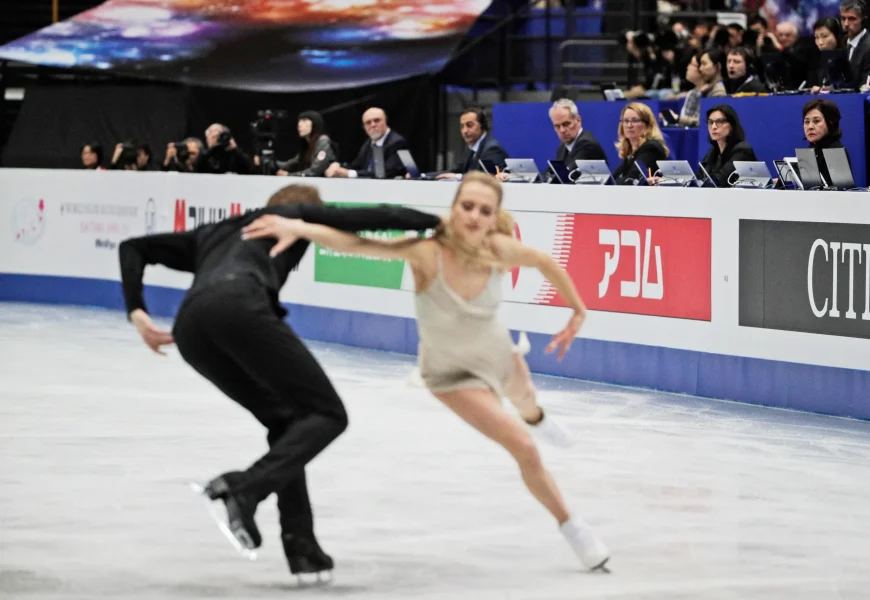

American figure skater Andrew Torgashev was at an invitation-only camp organized by U.S. Figure Skating not long ago, a chance for elite athletes preparing for the high-level Grand Prix season to work out any flaws in their performances.
He tried a quad toe loop, a four-revolution jump where skaters launch from the back outside edge of their blade with the help of a toe pick from the other foot. The jump itself is the easiest of skating’s six primary jumps, but four revolutions ups the difficulty.
To the naked eye, Torgashev landed it perfectly. To the camera watching him, Torgashev landed a quarter-revolution short.
It was a small error, to be sure, but the kind that could make the difference in whether Torgashev medals in a sport where tenths and even hundredths of a point matter. And he knew instantly thanks to feedback he received from the camera – or, more accurately, the app it was running, designed by a pair of computer whiz kids with no background in skating, but who saw in the sport a chance to not only help athletes in training but perhaps someday assist in the actual scoring of competitions.