°C
°C
 4
Min
4
Min
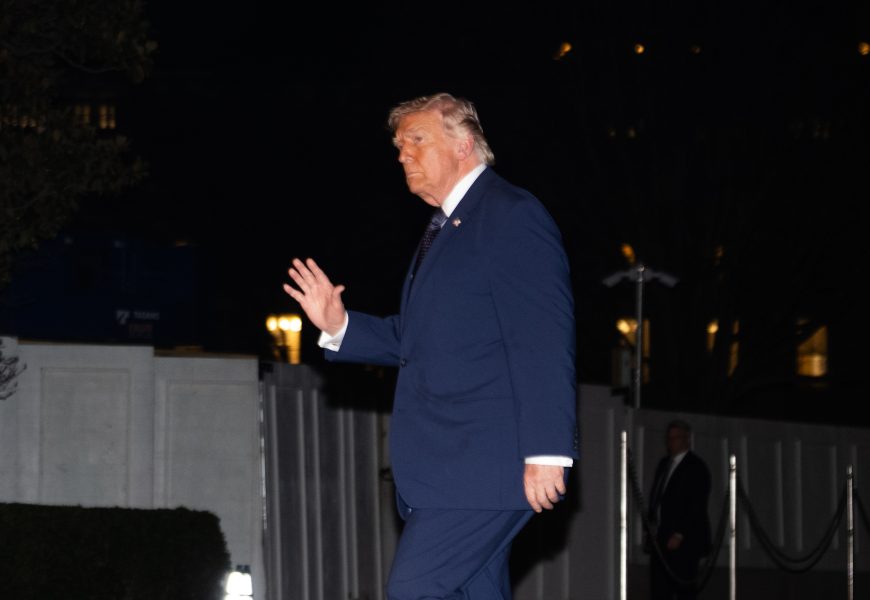
BRUSSELS (AP) – French President Emmanuel Macron on Thursday said that European pressure forced U.S. President Donald Trump to back down from his threats to take control of Greenland, as EU leaders gathered to chart a new course in transatlantic relations.
French leader says European pressure forced Trump to back down as the EU reconsiders ties
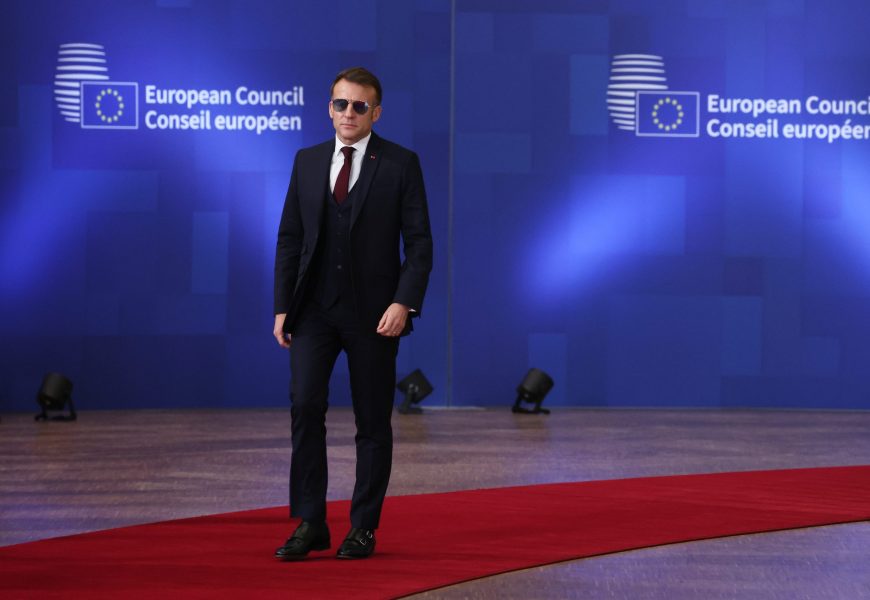
BRUSSELS (AP) - French President Emmanuel Macron on Thursday said that European pressure forced U.S. President Donald Trump to back down from his threats to take control of Greenland, as EU leaders gathered to chart a new course in transatlantic relations.
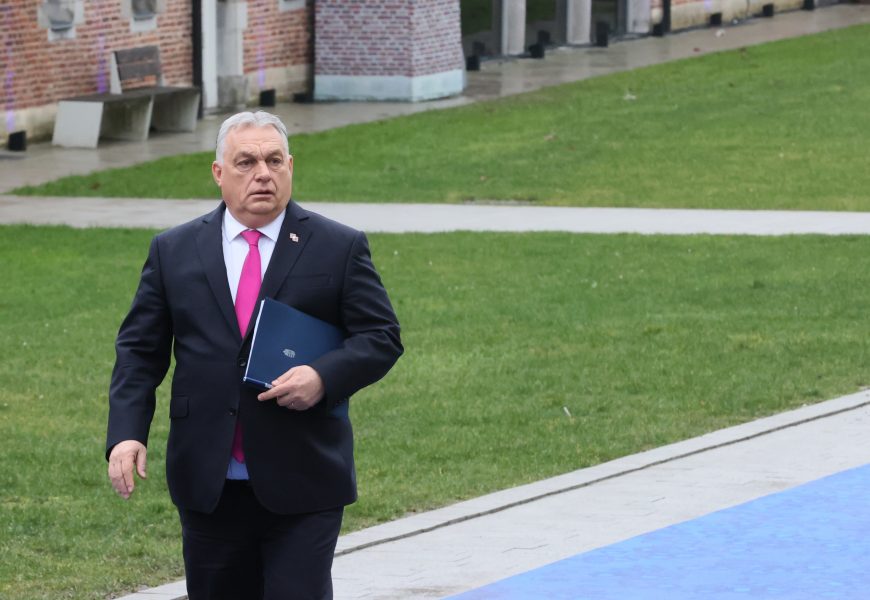
"Europe can make itself be respected, and that's a very good thing," Macron told reporters, as he arrived in Brussels for an emergency summit. "When we use the tools that we have at our disposal we get respect and that's what happened this week."
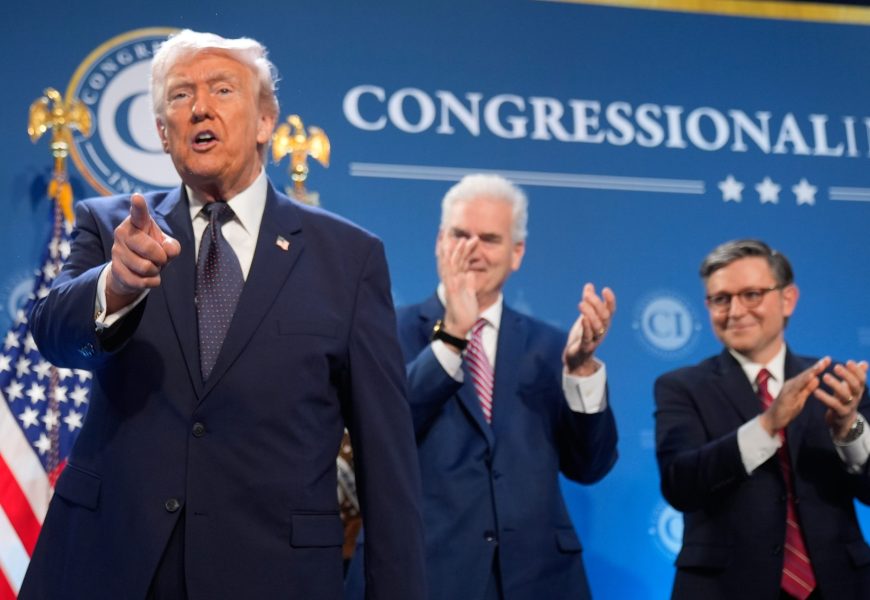
On the eve of the EU meeting, Trump dramatically backed away from his insistence on "acquiring" Greenland, a semiautonomous territory of Denmark. For the first time, he said that he would not use force to seize the island. Trump also dropped his threat of slapping tariffs on European nations that support Denmark.
The EU's tools included a nonaggressive deployment of a few dozen troops to Greenland on a reconnaissance mission to prepare for future exercises and to send Trump a message that Europe is taking care of security - the U.S. president's main stated reason for wanting the mineral-rich island.
The EU also vowed to respond to Trump's tariff threats with countermeasures, and lobbied members of the U.S. Congress and business community disturbed by his designs on Greenland.
Yet nothing suggests that the unpredictable U.S. leader won't change his mind again.
Before backing down, Trump had urged Denmark and the rest of NATO to stand aside and let him have Greenland, adding an ominous warning: "You can say yes, and we will be very appreciative. Or you can say no, and we will remember."
Polish Prime Minister Donald Tusk underlined that "the United States are absolutely the most important partner when it comes to our security." But Tusk said that's important "to understand the difference between domination and leadership. Leadership is okay."
No details of the hastily agreed "framework" deal that sparked Trump's extraordinary reversal have been made public, and doubts about it persist. Danish Prime Minister Mette Frederiksen insists that her country will not bargain over its sovereignty.
"We are sovereign state and we cannot negotiate about that, because it's a part of the very basic democratic values. But of course, we can discuss with us how we can strengthen our common cooperation on security in the Arctic region," she told reporters in Brussels.
European leaders are also expected to agree on a joint approach to Trump's proposed "Board of Peace," which was initially envisioned as a small group of world leaders overseeing the Gaza ceasefire but has grown into something far more ambitious.
On Thursday, days after telling the prime minister of Norway in a text message that he no longer felt "an obligation to think purely of Peace," Trump put the spotlight on the proposed board at Davos.
Trump has spoken about the board replacing some of the functions of the United Nations.
Some European countries have declined invitations to join. Norway, Slovenia and Sweden said they won't take part. Told that Macron was unlikely to take up the offer, Trump said: "I'll put a 200% tariff on his wines and champagnes and he'll join."
Germany has offered a guarded and noncommittal response to Trump's invitation, but Hungary and Bulgaria have accepted.
Ahead of the summit, the man chairing it, European Council President António Costa, said that the Trump administration poses a challenge to Europe's security, principles and prosperity.
"All these three dimensions are being tested in the current moment of transatlantic relations," Costa said.
After consulting the leaders, Costa said they are united on "the principles of international law, territorial integrity and national sovereignty," something the EU insists on as it defends Ukraine against Russia, and which Trump has threatened in Greenland.
In a speech to EU lawmakers in Strasbourg, France, he also insisted that "further tariffs would undermine transatlantic relations and are incompatible with the EU-US trade agreement." EU lawmakers must endorse that deal but on Wednesday they put a hold on their vote over Trump's threats.
EU leaders have been galvanized by Trump's bullying over Greenland, and are rethinking their relations with an unpredictable America, their longtime ally and the most powerful member of NATO.
More Top Stories